
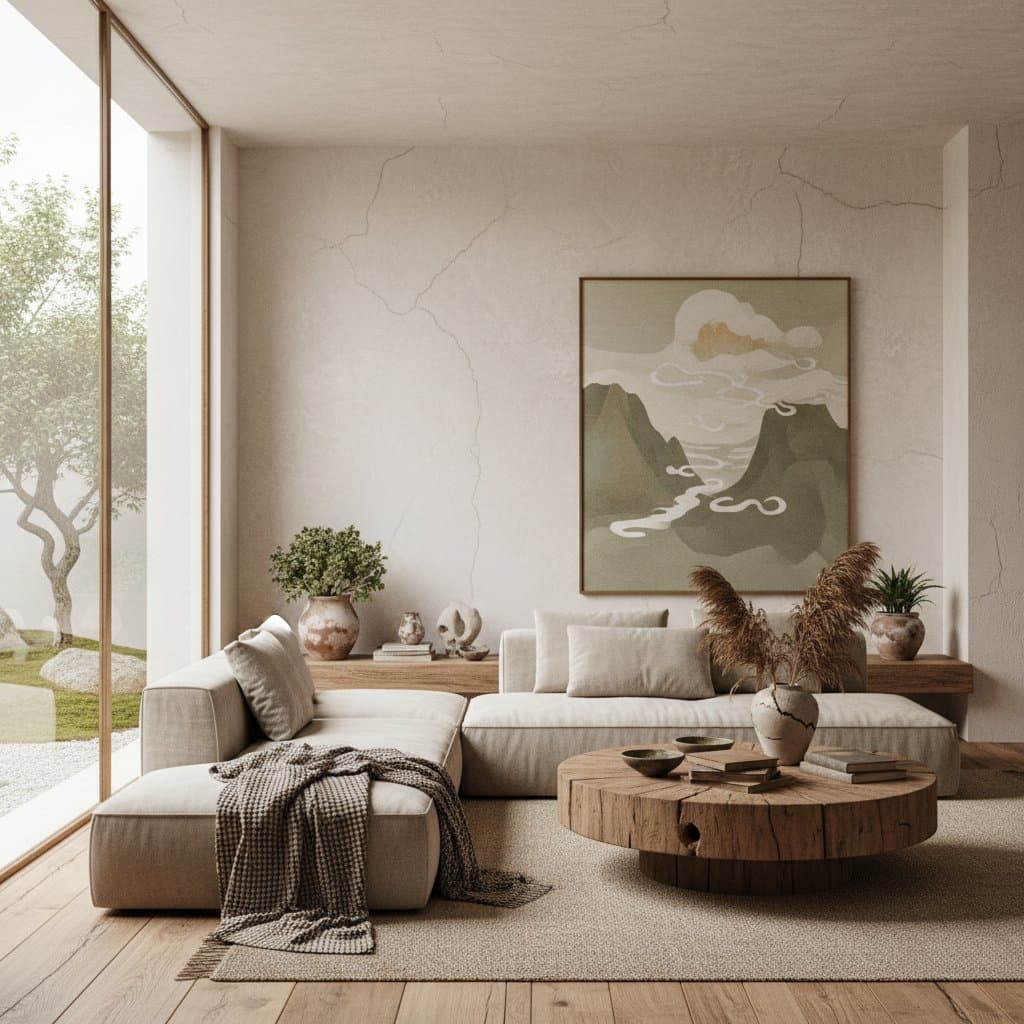
Embracing Imperfection: Wabi-Sabi Trends for 2026 Homes
Homeowners often notice subtle details in their spaces, such as faint cracks in plaster walls, variations in wood grain, or the gentle asymmetry of a hand-thrown vase. These elements, once overlooked as flaws, now represent the essence of wabi-sabi design, a Japanese philosophy that honors authenticity, imperfection, and the beauty of natural aging.
This approach resonates with those seeking respite from overly pristine environments. Wabi-sabi invites appreciation for spaces that evolve organically, fostering a sense of grounding and individuality. As trends evolve toward mindful living, wabi-sabi emerges as a pathway to interiors that prioritize emotional depth over superficial polish.
Understanding Wabi-Sabi Design
Wabi-sabi derives from two complementary concepts: wabi, which embodies simplicity and quiet humility, and sabi, which captures the poignant beauty of transience and wear. This fusion yields a design ethos centered on genuineness and endurance, free from the pursuit of flawlessness.
Interiors influenced by wabi-sabi incorporate organic textures, subdued hues, and artisanal touches. Exposed imperfections, like the patina on a oak beam or the subtle firing inconsistencies in stoneware, serve as focal points that enrich the narrative of the space. Such details transform ordinary rooms into havens of subtle elegance.
Why Homeowners Are Turning Toward Imperfection
Contemporary residences frequently feature sleek surfaces, engineered composites, and uniform lines, which provide efficiency but often at the expense of intimacy. Wabi-sabi counters this by emphasizing tactile comfort, genuine expression, and relational bonds with one's surroundings.
The philosophy aligns seamlessly with eco-conscious habits and deliberate curation. Homeowners discover value in preserving existing elements, such as distressing cabinet doors to reveal underlying character or allowing floorboards to retain their scuffs. This method promotes longevity, reducing the need for frequent overhauls.
Key Elements of Wabi-Sabi Style
Incorporating wabi-sabi requires adherence to core tenets that enhance atmosphere without demanding extensive alterations. Focus on incremental shifts to cultivate lasting serenity.
1. Natural Materials
Select substances that acquire depth through use, including reclaimed oak, undyed hemp, river stone, terracotta, and raw shearling. For instance, a live-edge walnut shelf displays inherent knots and fissures, gaining luster with seasonal applications of beeswax rather than synthetic varnishes.
2. Soft, Muted Colors
Opt for palettes inspired by earth and sky: warm taupes, dusty ochres, sage greens, and linen whites. These shades evoke tranquility and harmonize interior views with outdoor landscapes, steering clear of stark primaries or glossy laminates that disrupt harmony.
3. Handmade and Imperfect Items
Integrate objects bearing the imprint of creation, such as raku-fired bowls with crackled glazes or kilim rugs woven with irregular patterns. These artifacts infuse vitality, contrasting the uniformity of factory goods and evoking the artisan's intent.
4. Simplicity and Space
Maintain decluttered yet inviting areas by retaining only functional and cherished possessions. Employ minimalist shelving to showcase select items, paired with ambient sources like rice-paper lanterns, allowing negative space to amplify each element's presence.
5. Visible Aging
Permit surfaces to develop narratives over time: copper develops verdigris, full-grain leather molds to the body, and bamboo darkens subtly. Periodic gentle conditioning preserves integrity while honoring evolution, avoiding aggressive restorations that erase history.
Step-by-Step: Bringing Wabi-Sabi into Your Home
Transitioning to wabi-sabi involves methodical, low-impact adjustments. Follow these steps to infuse your environment with intentional calm.
-
Audit and curate possessions. Identify and remove superfluous decor that lacks personal resonance, creating bandwidth for pieces with inherent stories.
-
Introduce organic textures. Swap polyester upholstery for breathable canvas or jute; incorporate seagrass mats or unglazed pottery to heighten sensory engagement.
-
Restore rather than discard. For a marred dresser, apply a thin layer of tung oil to accentuate existing dings, blending them into the wood's patina.
-
Refine illumination. Install filament-style LEDs or frosted glass pendants to cast even, golden light that accentuates surface nuances without harsh shadows.
-
Incorporate botanicals. Position potted ferns or arranged eucalyptus stems to introduce vitality and ephemerality; preserved pampas grass endures as a textural accent.
-
Showcase artisanal work. Arrange a collection of etched glassware or carved soapstone figures on open consoles, where tool marks and variances draw the eye.
Cost Considerations
Wabi-sabi emphasizes thrift through adaptation, keeping expenses modest. Typical investments include:
- Refinishing wooden elements: $100 to $400, based on scale and existing wear
- Organic fabrics like burlap drapes or alpaca blankets: $50 to $200 each
- Artisanal accents such as slipware plates or macramé hangings: $20 to $150
- Fixture modifications: $75 to $300 per unit
Engaging a specialist in Eastern design philosophies incurs $75 to $200 per hour, though self-directed efforts yield comparable results through sourced vintage markets and DIY techniques.
Safety and Maintenance Tips
Imperfection thrives alongside prudence. Ensure structural elements like fissured drywall or seasoned timbers support weight; consult a professional for assessments if instability arises.
Test legacy coatings for hazardous substances prior to disturbance. Preserve organics with pH-neutral cleaners: dilute vinegar solutions for timber, and air-drying for fibers to retain suppleness without abrasion.
Regional and Cultural Adaptations
Wabi-sabi adapts fluidly to local conditions, selecting resilient options accordingly. In tropical zones, apply limewash to walls for breathability and opt for teak that resists moisture.
Arid regions benefit from linseed oil on panels to prevent splintering. Draw from indigenous resources, such as adobe bricks in the Southwest or driftwood in Pacific Northwest settings, to embody locale-specific authenticity while honoring material heritage.
Balancing Function and Aesthetic
Wabi-sabi distinguishes charm from compromise, insisting on usability. A nicked teacup retains appeal only if it holds liquid securely; a faded settee charms when it supports posture comfortably.
Extend this equilibrium across domains: in culinary areas, butcher-block counters with honed edges facilitate prep while warming the ambiance; in wet zones, matte porcelain sinks and fixtures that oxidize naturally combine durability with grace; outdoors, adirondack chairs from weathered cedar invite repose amid evolving gardens.
Living with Wabi-Sabi
As wabi-sabi permeates your dwelling, interactions deepen with newfound appreciation for organic progression. Former irritants, like a scuffed threshold, now symbolize continuity and care.
Sustain this ethos through periodic rotations of textiles, gradual acquisitions of forged metalwork, and allowance for gradual transformation. Your residence gradually narrates chapters of habitation, solace, and evolving legacy.
Cultivating Lasting Serenity
Commence in a single area, such as a study, by oiling a desk, layering natural linens, or positioning irregular vessels. Build momentum across the home, guided by the principle that true presence eclipses polish. Each nuance—fissure, weave, hue—enriches the tapestry of authentic dwelling.