
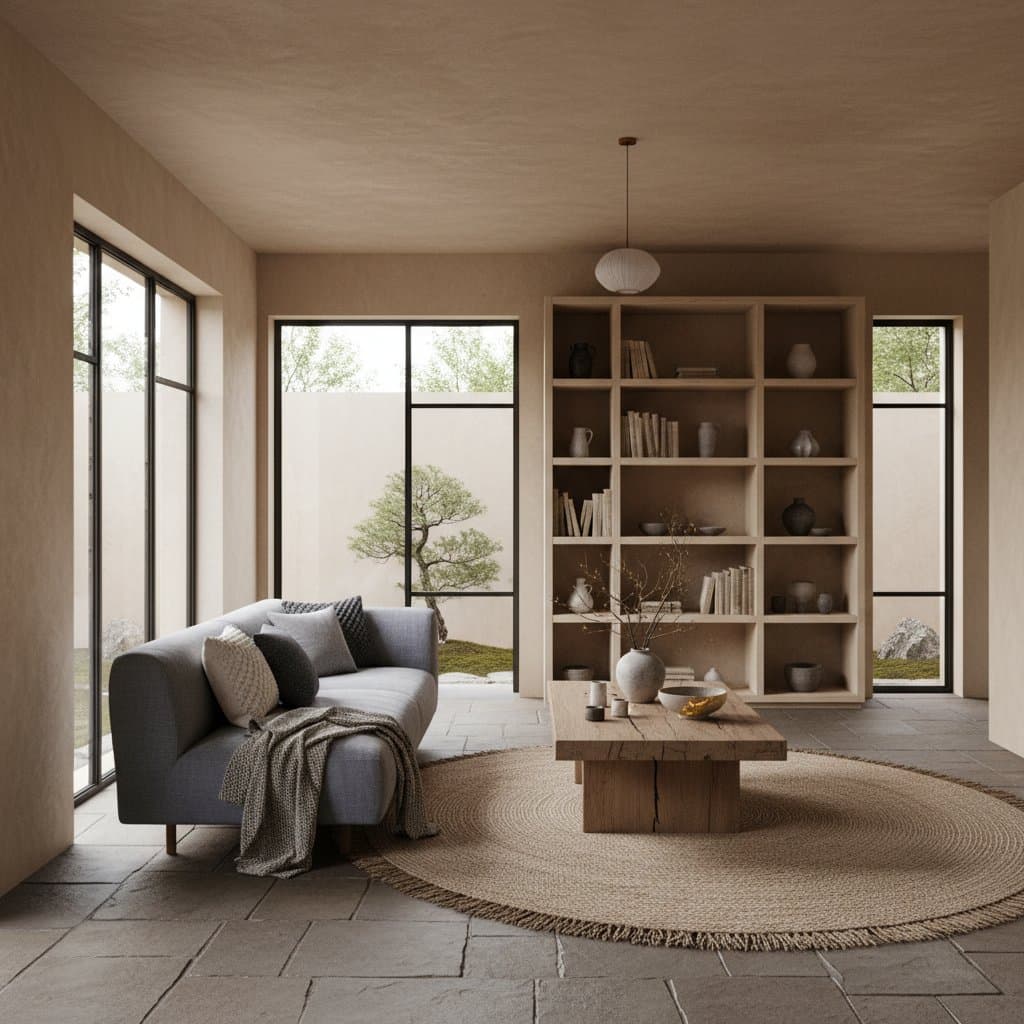
Wabi-Sabi's Imperfect Charm: 2026 Home Design Trend
You step into your living room and observe spotless surfaces, perfectly aligned pillows, and precisely placed objects. The space appears neat, yet it lacks warmth. No story emerges, no soul connects. Now picture a home where wood grain reveals its age, a handmade bowl bears the potter's thumbprint, and sunlight tempers the texture of linen curtains. This represents the quiet magic of Wabi-Sabi, the Japanese aesthetic that honors imperfection and authenticity.
Wabi-Sabi has influenced design circles for years, yet it now enters the mainstream. Homeowners seek spaces that feel human, forgiving, and linked to nature. Its appeal rests in honesty, beauty within the imperfect, and calm amid modern life. As this philosophy grows, it reshapes views on homes, materials, and surroundings.
Understanding the Wabi-Sabi Philosophy
Wabi-Sabi centers on value in the imperfect. It appreciates age, wear, and time's passage. A crack in a ceramic cup or uneven patina on a brass handle enhances rather than detracts. These marks narrate a story. The philosophy shifts focus from flawlessness to what feels natural and vital.
In design, it yields simple yet soulful spaces. Uneven plaster walls, reclaimed timber beams, or handmade pottery exemplify this. It differs from rustic or minimalist styles, blending restraint with warmth. Natural materials, organic shapes, and effortless balance define it.
The Opportunity in Imperfection
Homeowners often face pressure for Instagram-ready perfection, which can feel cold. Wabi-Sabi permits slowing down, allowing homes to evolve through living. Highlight imperfections to add texture, depth, and authenticity. Expose wood grain or retain uneven brushstrokes on walls for visual interest.
This trend promotes sustainability. Value existing items to minimize waste. Sand and oil an old table, preserving its scars, rather than replacing it. Such actions support responsible living while upholding style.
Bringing Wabi-Sabi Into Your Home
1. Start With Texture and Tone
Wabi-Sabi interiors evoke calm through natural tones and tactile surfaces. Select muted clay, warm taupe, soft white, or gentle gray. Textures rival color in importance. Rough plaster, raw linen, and unpolished stone encourage touch and diffuse light.
Layer fabrics to introduce warmth. Install linen curtains, add cotton throws, and place jute rugs. Opt for pieces that breathe and age well, avoiding uniform synthetics.
2. Choose Imperfect Materials
Seek materials with inherent variation. Reclaimed wood features knots and marks that narrate history. Handmade tiles display subtle irregularities that shift with light, fostering interest.
For renovations, apply limewash paint or clay plaster. These offer depth beyond standard paint. Light reveals tonal shifts, creating subtle movement across walls.
3. Simplify the Space
Wabi-Sabi favors simplicity without rigidity or chaos. Retain only meaningful items, curating a stronger narrative than crowded displays. A few select objects suffice.
Arrange furniture for balance and space. Asymmetry works if functional. Position a small stool near a large armchair to mirror daily use, not staged ideals.
4. Integrate Nature
Nature anchors Wabi-Sabi design. Incorporate local plants, branches, or stones. A vase with one stem surpasses elaborate bouquets, forging genuine connection.
Maximize natural light with sheer curtains for soft filtration. As sunlight changes, the space transforms, underscoring its living quality.
5. Mix Old and New
Wabi-Sabi homes layer stories through old and new elements. Pair an aged wooden bench with a modern sofa for harmony over uniformity.
Showcase heirlooms or vintage pieces. Their worn edges and patinas align perfectly. Position a chipped ceramic bowl thoughtfully as a focal point.
Practical Considerations for Wabi-Sabi Design
Budget and Cost Range
Wabi-Sabi accommodates varied budgets, emphasizing natural and handmade items over extravagance. Support local artisans or repurpose existing possessions.
- Low Budget: Refresh furniture with natural oils, incorporate thrifted ceramics, and introduce textured fabrics.
- Moderate Budget: Select reclaimed wood pieces, handwoven rugs, or custom plaster applications.
- High Budget: Commission bespoke joinery, artisan fixtures, or enduring natural stone.
Prioritize quality pieces that anchor rooms more effectively than multiples.
Safety and Maintenance
Natural materials demand careful upkeep. Treat wood with oils, not sealants; clean stone with mild soap, avoiding chemicals. These practices preserve aesthetics and foster mindful routines.
Verify reclaimed items' integrity. Reinforce old beams or doors as needed, sealing for safety. Consult professionals versed in codes and design.
Permits and Code Compliance
Major renovations require permits for structural or electrical work. Seek expert advice. Platforms like Doric South connect you with local contractors skilled in Wabi-Sabi aesthetics and regulations. They source materials, estimate expenses, and ensure compliance.
The Emotional Side of Wabi-Sabi
Wabi-Sabi transcends aesthetics; it shapes mindset. It cultivates patience and acceptance. Cease pursuing perfection to notice subtle details. A vase's crack symbolizes resilience; a bowl's edge signifies human craft.
This fosters daily calm. View wear as beauty, not flaw. Your home mirrors life's evolution, remaining dynamic.
Designing Room by Room
Living Room
The living room establishes the home's tone. Blend wool, wood, and clay textures in soft, grounded palettes. Center a low wood coffee table amid cushions and throws for relaxation. Frame views with large windows, using light drapes.
Kitchen
Wabi-Sabi kitchens unite utility and charm. Display daily ceramics and utensils on open shelves. Handmade plates and mugs gain character from use. Employ stone counters, wood boards, and cast-iron for evolving patinas that recount shared moments.
Bathroom
Transform the bathroom into a serene haven. Install rough stone basins, linen towels, and adjustable warm lighting. Uneven tiles or textured plaster enhance intimacy. Add a wooden stool or humidity-tolerant plant for grounded restoration.
Bedroom
Craft a tranquil, uncluttered bedroom. Choose breathable cotton or linen fabrics with simple furniture. A wood bed frame, ceramic lamp, and woven rug provide warmth. Place handmade pottery bedside for personal authenticity and restful escape.
Local Adaptations and Climate Considerations
Coastal areas suit Wabi-Sabi with driftwood, stone, and humid-resistant fabrics. Inland regions benefit from clay plaster, barn wood, or wool for insulation. Let locale dictate selections.
Address humidity with breathable finishes; in dry areas, soften textures with fabrics. Regional contractors guide durable, aesthetic choices.
Steps to Implement Wabi-Sabi
Begin modestly: swap one item, apply matte paint to a wall, or add a crafted piece. Gradual changes build authenticity.
For renovations, engage aligned professionals. Use Doric South to match with contractors emphasizing craftsmanship. They procure reclaimed goods, finish naturally, and tailor to your setting.
Wabi-Sabi endures as a lifestyle honoring transience and simplicity. It elevates homes into vibrant reflections of mindful existence.