
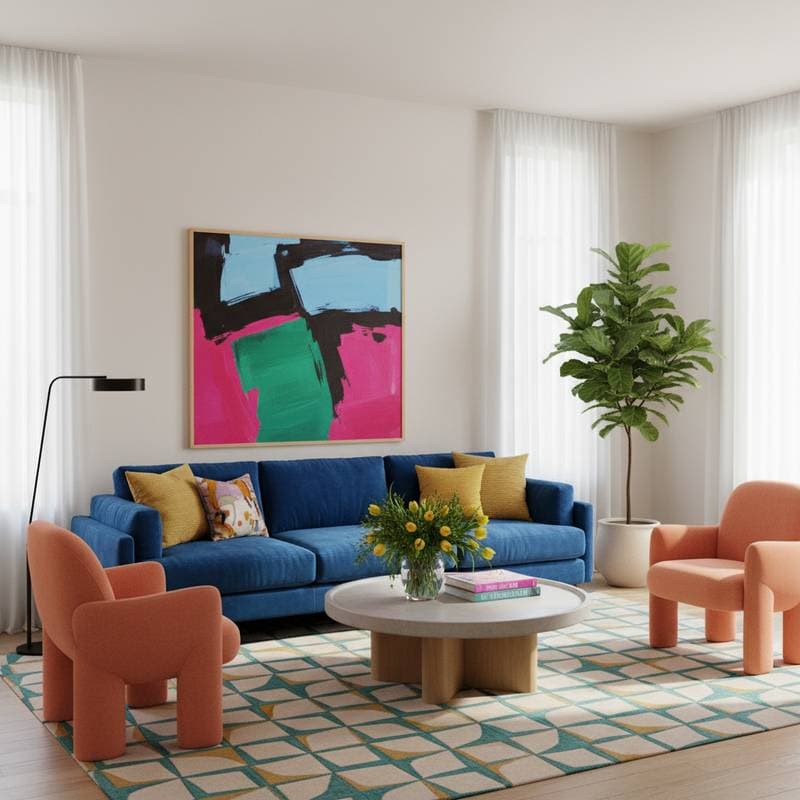
Dopamine Decor: Colors That Boost Mood and Wellness
Ever enter a room and immediately sense a shift in your mood, feeling lighter, more focused, or unexpectedly serene? This response stems from the colors surrounding you, which influence dopamine release in the brain, the neurotransmitter associated with pleasure and motivation. Dopamine decor represents a deliberate approach to interior design that elevates mood, fosters creativity, and infuses daily routines with joy. By selecting colors thoughtfully, individuals craft environments that align with personal emotional needs.
Dull or uninspiring spaces often drain energy, yet targeted color adjustments can yield significant improvements. These changes require minimal effort; accents like cushions, rugs, or framed prints offer effective starting points. Tailor selections to specific times of day, such as invigorating shades for morning areas or tranquil ones for evening retreats.
Understanding Dopamine Decor
Dopamine decor extends beyond scattering vibrant hues randomly; it involves curating palettes that elicit tailored positive reactions. Warm tones like terracotta orange may invigorate one person, while muted sage green soothes another. The objective centers on fostering emotional support through design choices that resonate individually.
Color psychology provides a framework, though results vary by context and application. A vivid accent might inspire focus in a workspace, whereas the same shade dominating a room could overwhelm. Achieving harmony demands moderation, blending intensity with restraint to sustain comfort.
The Impact of Color on Emotional States
Grasp the typical effects of colors to inform decisions before undertaking projects:
- Yellow: Evokes cheer, clarity, and vitality; integrate into high-activity zones like kitchens or home offices to stimulate mental agility.
- Blue: Encourages tranquility, concentration, and rest; apply in sleep areas or quiet nooks to promote unwinding after demanding days.
- Green: Represents harmony and rejuvenation; suit communal areas to evoke stability and connection with nature.
- Red: Heightens alertness and passion, yet demands caution in expansive use; limit to focal points like rugs or decor to avoid agitation.
- Pink: Delivers gentle warmth and reassurance; opt for pale variants in entryways to create inviting atmospheres.
- Orange: Sparks sociability and enthusiasm; position in gathering spots to facilitate lively interactions.
- Purple: Infuses imagination and sophistication; employ subtly in creative or private settings for subtle inspiration.
- White and neutrals: Offer simplicity and expansiveness; counter potential starkness with varied fabrics or patterns for warmth.
Consider personal associations and room functions when assigning colors, as cultural backgrounds shape perceptions.
Implementing Dopamine Decor Step by Step
Approach integration gradually to assess impacts without disruption. Begin in familiar areas to build familiarity with effects.
-
Select a primary space: Target a frequently occupied room, such as a workspace or relaxation area. Identify desired outcomes, like heightened productivity or reduced stress, to guide choices.
-
Establish a neutral foundation: Layer over bases of soft ivory, taupe, or pale slate for versatility. This setup allows bold elements to emerge without clashing.
-
Incorporate accents strategically: Experiment with textiles, such as mustard-hued cushions or azure throws, to gauge mood shifts. Observe responses over a week before expanding.
-
Evaluate paints through trials: Acquire small sample tins and apply swatches to walls. Examine under morning sun, afternoon glow, and evening lamps to reveal true tones.
-
Integrate diverse textures: Pair glossy ceramics with woven baskets or plush linens to enrich sensory appeal. This combination amplifies color's influence while preventing monotony.
-
Enhance with foliage and illumination: Position low-maintenance plants like pothos near windows to complement greens and blues. Maximize daylight through sheer curtains to intensify hue saturation and alertness.
Progress methodically, adjusting based on daily experiences to refine the environment.
Achieving Equilibrium Between Vibrancy and Serenity
Overloading spaces with intense shades risks fatigue; counter this by anchoring brights with subdued backdrops. Designate 60 percent of the palette to neutrals, 30 percent to secondary tones, and 10 percent to accents for visual ease.
For hesitant beginners, introduce a single element, such as a sunflower yellow lamp amid grayscale furnishings. Gradually introduce complements, like pairing citrus accents with linen drapes, to cultivate assurance in experimentation.
Cost-Effective Strategies for Transformation
Affordable updates deliver substantial rewards without extensive budgets. Focus on high-impact, low-commitment alterations.
- Accent one wall: A single coat in a lively shade refreshes without full-room commitment; procure tester sizes for under twenty dollars.
- Refresh soft goods: Exchange slipcovers or valances seasonally; thrift stores yield options at a fraction of retail prices.
- Revamp existing pieces: Apply fresh coats to outdated chairs or shelves in energizing tints, using primer for adhesion.
- Opt for peel-and-stick options: Temporary films in geometric patterns add whimsy to rentals, removable in minutes.
These initiatives often complete in hours, totaling less than one hundred dollars for materials.
Seeking Expert Guidance
For comprehensive overhauls involving multiple rooms or structural elements, consult professionals. Interior specialists analyze light patterns, existing fixtures, and lifestyle rhythms to devise cohesive schemes. Virtual sessions provide accessible advice, often starting at fifty dollars per hour, to steer clear of mismatches.
Pitfalls to Sidestep in Color Application
Rushed implementations invite regrets; anticipate these issues:
- Overloading with primaries: Confine vibrant clusters to two hues maximum per area to maintain composure.
- Overlooking illumination effects: Test under installed fixtures; warm bulbs soften cools, while cools mute warms.
- Neglecting surface preparation: Sand and seal prior to application for even coverage and durability.
- Disregarding continuity: Echo a signature shade across adjacent rooms, like threading emerald through hallways, for seamless transitions.
Address these proactively to ensure lasting satisfaction.
Cultivating a Joyful Living Environment
Dopamine decor empowers individuals to shape homes that nurture well-being daily. Prioritize intuitive selections over rigid guidelines, allowing personal preferences to drive evolution. Monitor subtle shifts in energy and outlook as colors integrate, refining iteratively for authenticity.
Initiate with modest additions, such as a framed botanical print or scented candle in a favored tone. These elements subtly elevate routines, fostering spaces that reflect and reinforce inner vitality. Through mindful design, homes become allies in emotional flourishing.