
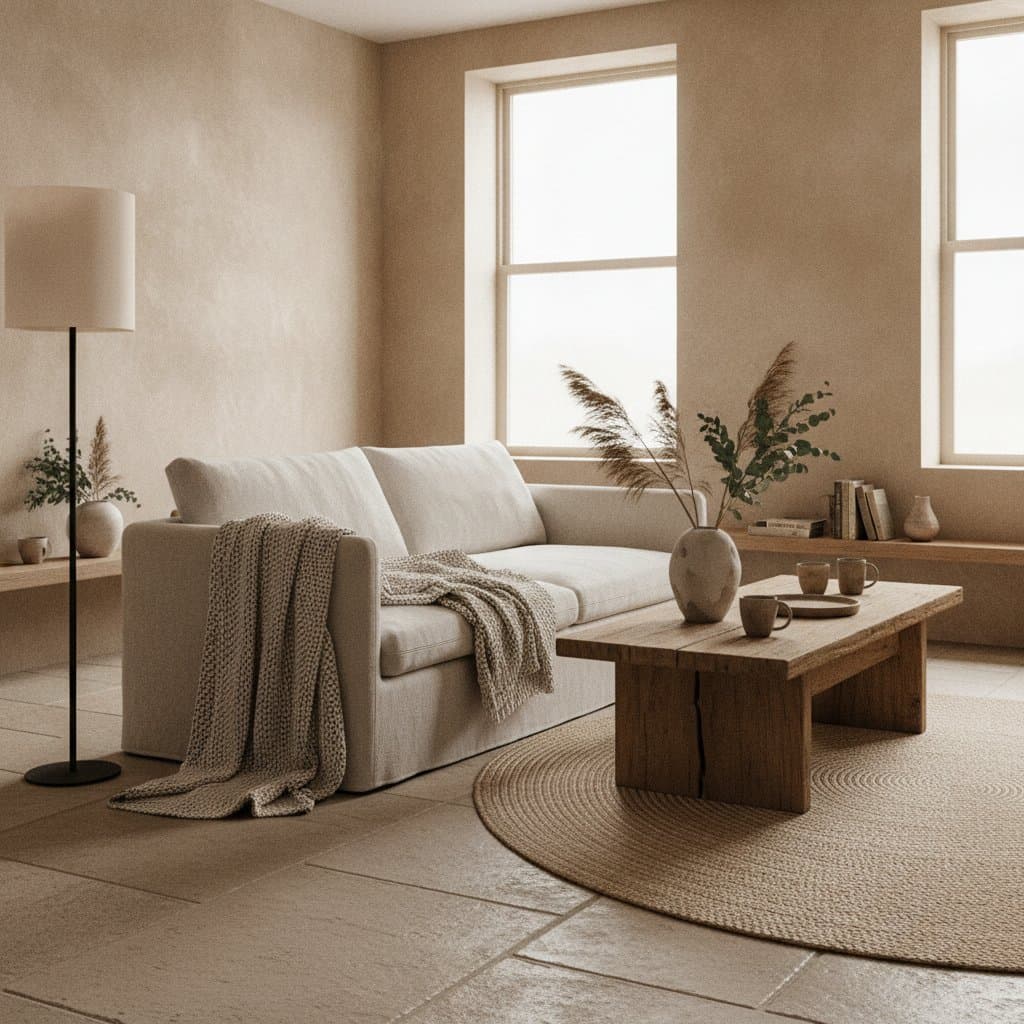
Wabi-Sabi: Embracing Imperfect Beauty in 2026 Home Design
You walk into a renovated home and notice walls with subtle texture instead of perfect smoothness. Pottery shows uneven edges. A wooden table displays natural grain and small marks from years of use. The space feels calm and genuine. This effect comes from Wabi-Sabi, a design approach that values natural character over flawless surfaces.
Why Imperfection Appeals in Modern Homes
Many current designs emphasize polished surfaces and exact symmetry. Wabi-Sabi counters this by highlighting materials that show age and use. A ceramic piece with a small chip can represent daily life rather than defect. Weathered wood surfaces record time without needing replacement.
Homeowners adopt this view to build rooms that feel stable and personal. The method requires attention to detail, yet it rejects the pursuit of uniform results. Focus shifts to materials that develop character through ordinary living.
Core Elements of Wabi-Sabi Design
The approach draws from Japanese observations of natural change and simplicity. Rooms feature limited color choices, organic textures, and objects made by hand. These choices produce quiet environments suited to rest and reflection.
A typical living area might contain linen cushions, a clay vessel with gathered branches, and plaster walls that catch light unevenly. Each item supports the overall calm without competing for notice. The result feels deliberate yet unforced.
Steps to Apply Wabi-Sabi Principles
Begin with existing furnishings rather than new purchases. The following actions help introduce the style gradually.
- Select wood, linen, clay, or stone for major surfaces. Reclaimed boards work well for open shelving because their marks add interest without extra treatment.
- Limit wall and fabric colors to sand, warm white, or pale gray. These shades let surface variations stand out clearly.
- Keep furniture that shows wear. A scratched dining table gains presence when surrounded by plain tableware.
- Add ceramics or baskets formed by hand. Each carries slight differences that distinguish it from factory output.
- Remove items that lack personal meaning. Leave open floor and wall space so remaining objects can be seen clearly.
Planning Details for Lasting Results
Small changes often produce the strongest effect. Sand existing wood pieces and apply matte paint to walls. Swap smooth tiles for those with visible texture. These steps stay within modest budgets.
Natural surfaces benefit from routine care such as applying oil to wood or dusting clay. Soft lighting from table lamps or wall sconces supports the intended mood better than bright ceiling fixtures. Any structural work, such as revealing beams, requires review by a qualified contractor to meet safety standards.
Combining Wabi-Sabi with Minimalist Layouts
Clean architectural lines gain warmth when paired with uneven textures. A streamlined kitchen becomes more inviting once open wood shelves hold handmade bowls and linen panels filter incoming light. The mix works across seasons because organic materials adjust to shifts in moisture and temperature.
Building the First Wabi-Sabi Space
Choose one small area, such as a reading corner or hallway, and apply the listed steps there. Observe how the room changes daily use and overall comfort. Continue adding elements only when they support the same sense of quiet honesty.