
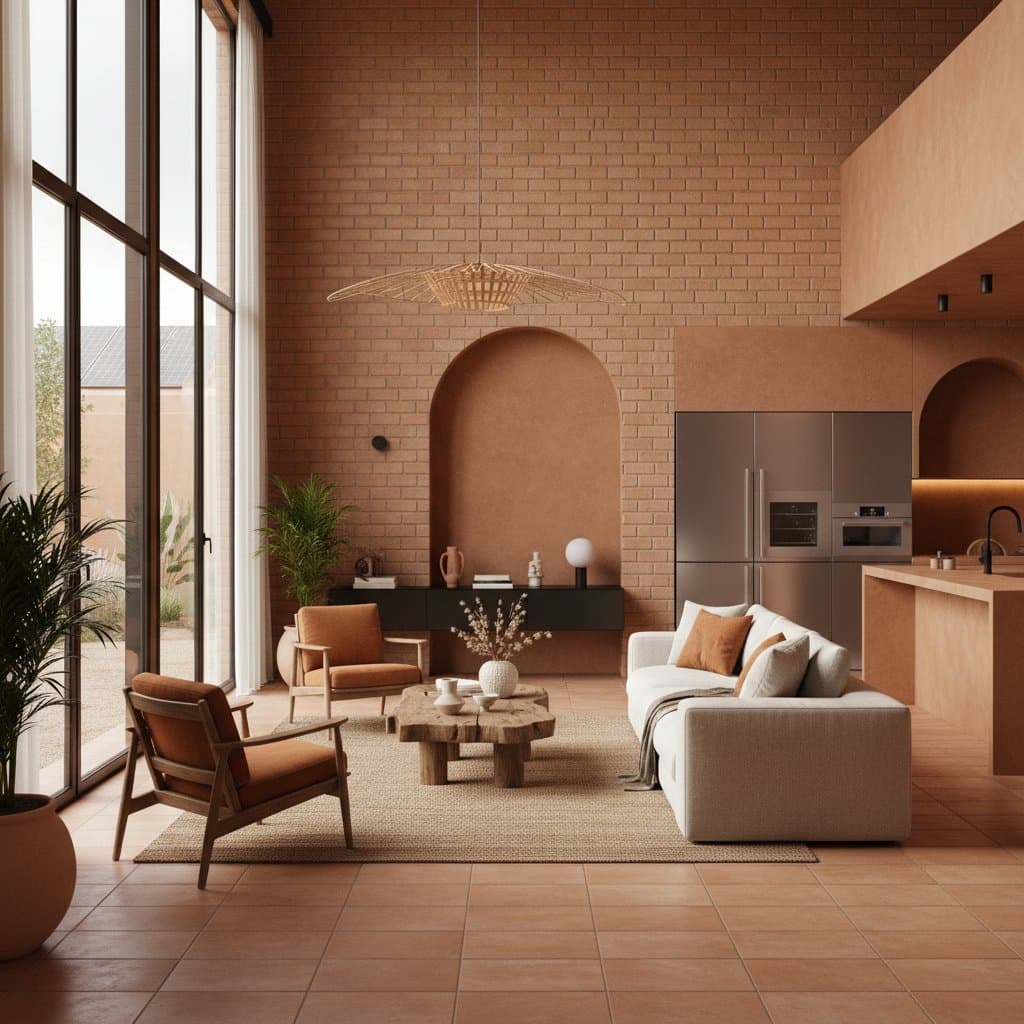
Terracotta's Resurgence in Earthy Design for 2026
Design enthusiasts often notice trends while reviewing magazines or exploring online inspiration sources. Terracotta appears prominently in these visuals, from rustic kitchen surfaces to prominent building exteriors. This ancient clay material returns with confidence, appealing to those who appreciate the organic appearance of natural elements, the stability of earth-inspired colors, and the inherent durability of genuine substances. Terracotta fuels a contemporary movement in earthy aesthetics that combines enduring appeal with fresh innovation.
Embracing Warmth and Genuine Texture
Envision entering a room where surfaces radiate a gentle, sunlight-infused glow and connect directly to the earth's essence. Such an atmosphere defines terracotta's core attraction. The material excels at linking historical techniques with current styles, fostering harmony between reminiscence and forward-thinking approaches. Following a period dominated by smooth, impersonal surfaces, designers and residents seek tactile depth and inviting tones. Terracotta provides these qualities effectively.
This resurgence avoids mere imitation of past eras. Instead, it involves adapting those elements through a contemporary lens. For instance, polished terracotta tiles combined with simple fixtures generate dynamic interplay, while raw clay containers complement structured outdoor settings, resulting in vibrant and sincere compositions.
Aligning with Contemporary Sustainability Principles
The increasing emphasis on eco-friendly and regionally obtained resources has elevated terracotta's relevance. Derived from abundant natural clay, the material ranks among the most environmentally sound options in building and decoration. It supports recycling efforts, allows air permeability, and promotes energy conservation through ethical production processes. Additionally, terracotta aids in passive climate control, maintaining cooler indoor temperatures during warm months and retaining heat in cooler seasons, thereby minimizing reliance on mechanical systems.
Individuals aiming to lessen their ecological footprint find terracotta both aesthetically pleasing and ethically aligned. Numerous regional craftspeople and manufacturers revive age-old kiln techniques powered by sustainable energy, while extracting clay from local sites to cut down on shipping-related carbon outputs.
Innovative Applications in Design
Terracotta extends far beyond traditional flooring or roofing. Creative professionals employ it across diverse scenarios to enhance spaces:
-
Feature Walls: Textured terracotta panels introduce immediate coziness to communal areas, cooking zones, or welcoming foyers. The subtle shade differences in individual pieces form an artisanal, uneven finish that evokes craftsmanship.
-
Building Exteriors: Terracotta-based outer layers offer resilience and personality. The material develops gracefully over time and withstands extreme weather conditions reliably.
-
Ornamental Features: Formed clay vessels, hearth enclosures, and bespoke installations infuse organic allure that harmonizes with timber, rock, and metallic accents.
-
Surfaces for Floors and Walls: Protected terracotta floors deliver a countryside sophistication suitable for seaside dwellings or city apartments alike. In kitchens, sealed backsplashes resist daily wear while preserving visual interest.
Key Factors for Implementation and Upkeep
Terracotta's allure demands careful preparation in placement and care. Unfinished varieties absorb liquids readily, risking discoloration without protection. Apply a quality sealant during setup, particularly in moisture-prone locations like preparation areas, washing spaces, or patios. Renew the sealant periodically, every two to three years, to sustain the material's inherent vibrancy and hue.
Budget considerations favor terracotta's affordability. Standard tiles begin at approximately three dollars per square foot, though bespoke or artisanal variants command higher prices. Engage qualified installers familiar with clay properties to avoid issues. Terracotta responds to thermal fluctuations with minor movement, so expert handling guarantees enduring performance.
The Evolving Beauty of Terracotta Over Time
Terracotta's allure stems from its capacity to mature gracefully. It acquires a subtle sheen through years of exposure, recording traces of interaction and attention. In contrast to artificial alternatives that deteriorate quickly, properly cared-for terracotta deepens in richness. The material interacts with illumination variably across seasons, producing nuanced atmospheric changes that enhance living environments.
Integrating Terracotta into Your Design Vision
For renovation or construction endeavors, terracotta presents a flexible means to embed warmth and sincerity into built spaces. Begin modestly with decorative items, or pursue expansive structural integrations. Share your plans on doricsouth.com at no cost to connect with qualified specialists adept in handling organic substances such as clay. Whether envisioning a brightly lit culinary area, a tactile bathing retreat, or a distinctive outer shell, terracotta enables the evolution of surroundings into profoundly rooted and expressively personal realms.