
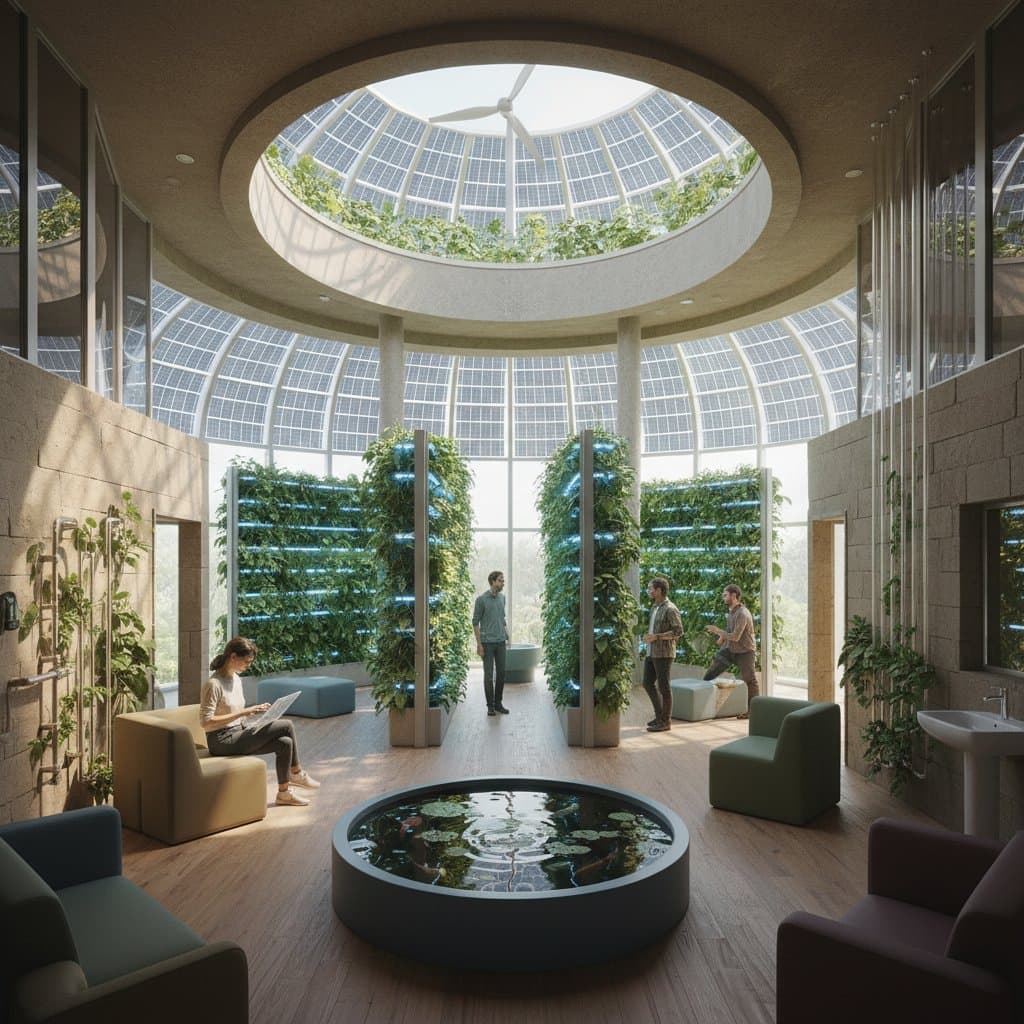
Why Solarpunk Builds Optimistic Eco-Futures by 2026
Observe neighborhoods where solar panels proliferate, rooftop gardens flourish, and community greenhouses occupy former vacant lots. These incremental transformations signal a profound shift in design and construction practices. Homeowners, architects, and builders are redefining sustainable futures. The solarpunk movement drives this evolution daily.
The Problem and the Possibility
Conventional building approaches depend on resource-intensive materials and energy sources that burden the environment. Numerous homeowners desire eco-friendly options yet hesitate due to uncertainties surrounding expenses, feasibility, and integration with contemporary comforts. Solarpunk provides a viable solution by reconceptualizing homes, neighborhoods, and cities as symbiotic systems that collaborate with natural processes rather than oppose them.
What Solarpunk Really Means
Solarpunk constitutes a design and cultural movement that fuses renewable technology, sustainable architecture, and community-oriented lifestyles. It extends beyond mere solar installations or aesthetically pleasing eco-residences. The essence lies in demonstrating that environmentally responsible construction is operable, visually appealing, and cost-effective.
Solarpunk design adheres to three foundational principles:
- Self-sufficiency – Residences and communities produce their own energy, optimize water usage, and cultivate food on-site.
- Harmony with nature – Structures blend seamlessly into surrounding ecosystems without displacing them.
- Equity and inclusion – Sustainable practices must remain attainable for all individuals, irrespective of financial means.
How Solarpunk Shapes Architecture and Construction
Solarpunk-inspired architects integrate advanced building techniques with organic materials and passive strategies. Such approaches yield edifices that consume minimal energy while promoting occupant well-being.
Essential solarpunk building components encompass:
- Passive solar design: Positioning structures to capture optimal winter sunlight and limit summer heat accumulation.
- Green roofs and living walls: These elements provide insulation, enhance air purity, and control stormwater.
- Rainwater collection and greywater reuse: Mechanisms that harvest and repurpose water for landscaping or sanitation.
- Local and recycled materials: Utilization of salvaged timber, compressed earth blocks, or low-emission concrete to lessen ecological footprints.
- Smart energy management: Integration of photovoltaic arrays with battery storage or localized grids for consistent, efficient power distribution.
Individually, these features may seem modest. Collectively, they form residences that balance habitability with environmental stewardship.
The Practical Side: Costs and Considerations
Concerns about expenses frequently accompany discussions of sustainability. Prospective owners seek clarity on commitments involved. Although solarpunk designs appear innovative, numerous elements align with typical renovation or construction budgets through strategic implementation.
Typical cost estimates include:
- Solar panel installation: Approximately $15,000 to $25,000 for an average residence, with energy bill reductions recouping investments over 5 to 10 years.
- Green roofing systems: Ranging from $10 to $25 per square foot, influenced by vegetation selections and structural demands.
- Rainwater collection setups: $2,000 to $6,000 for household-scale systems incorporating filtration and reservoirs.
- Energy-efficient materials and insulation: An additional 5 to 10 percent to overall budgets, offset by substantial decreases in operational costs.
Geographic variations play a significant role. In temperate or maritime areas, emphasis on natural airflow and heat-reflective surfaces lowers cooling needs. In cooler climates, enhanced insulation layers, triple-glazed windows, and solar-optimized orientations prove most effective.
DIY or Professional Help
Certain solarpunk initiatives suit skilled residents. Tasks such as erecting elevated garden frames, establishing composting units, or incorporating compact solar illuminations require only fundamental equipment.
Larger endeavors, including photovoltaic installations, vegetated roofing, or water recycling conduits, necessitate expert involvement to ensure safety and regulatory adherence. Jurisdictions often mandate approvals for modifications affecting structure or electricity. Certified specialists guarantee compliance, averting expensive corrections.
The Broader Payoff
Solarpunk methodologies deliver advantages extending past financial savings:
- Improved indoor environments: Enhanced airflow, non-toxic coatings, and integrated greenery diminish airborne contaminants.
- Extended structural durability: Low-upkeep materials endure longer and maintain integrity over time.
- Enhanced communal bonds: Collective gardens and distributed energy networks encourage collaboration and fortitude.
- Increased property appeal: Discerning purchasers favor residences showcasing intelligent, green innovations.
Modest enhancements often generate considerable returns. Properties equipped for solar integration or water efficiency command premium valuations, particularly amid escalating utility rates.
Realistic Timelines
Sustainable projects demand more time than anticipated. Minor alterations, such as rooftop photovoltaics, conclude in days following permit acquisition. Comprehensive passive designs span months, from conceptualization to final evaluations.
Effective planning accelerates progress. Initial consultations among owners, planners, and officials streamline permissions and resolve potential issues.
How Technology Supports the Movement
Accessible innovations propel solarpunk forward. Developments in prefabricated photovoltaics, energy reservoirs, and automated residence controls simplify deployment and upkeep. Material sciences evolve swiftly, introducing alternatives like fungal-based insulators, biological polymers, and light-permeable solar surfaces that produce power without obstructing views.
These advancements convert conceptual ideals into tangible applications suitable for standard dwellings, transcending experimental models.
Challenges to Expect
Obstacles persist within the movement. Upfront expenditures may elevate, specialized expertise remains scarce, and regulatory hurdles abound. Certain locales enforce antiquated ordinances ill-suited to communal energy or unconventional substances.
Surmounting these demands determination and collective effort. Thriving solarpunk initiatives frequently commence with demonstration efforts that showcase advantages prior to broader adoption.
Making It Happen
Embracing solarpunk requires no radical transformation. Initiate modestly and accumulate progress:
- Evaluate site capabilities. Examine solar access, roofing pitch, and hydrology.
- Define achievable objectives. Prioritize efficiency in power, water, or agriculture.
- Implement sequentially. Pair immediate changes like efficient luminaires and barriers with enduring additions such as photovoltaics or vegetated coverings.
- Collaborate with experts. Choose builders versed in eco-materials and renewables.
- Involve neighbors. Joint ventures in cultivation or power sharing amplify impacts.
Progressive actions align properties with solarpunk ideals of hope, utility, and ecological equilibrium.
Living with a Solarpunk Mindset
Solarpunk's enduring power resides in its perspective. It supplants apprehension with ingenuity and initiative. Viewing residences within expansive networks cultivates appreciation for both innovation and the natural world. From initial photovoltaic additions to holistic eco-configurations, each advancement fortifies resilience and promise for families and locales alike.