
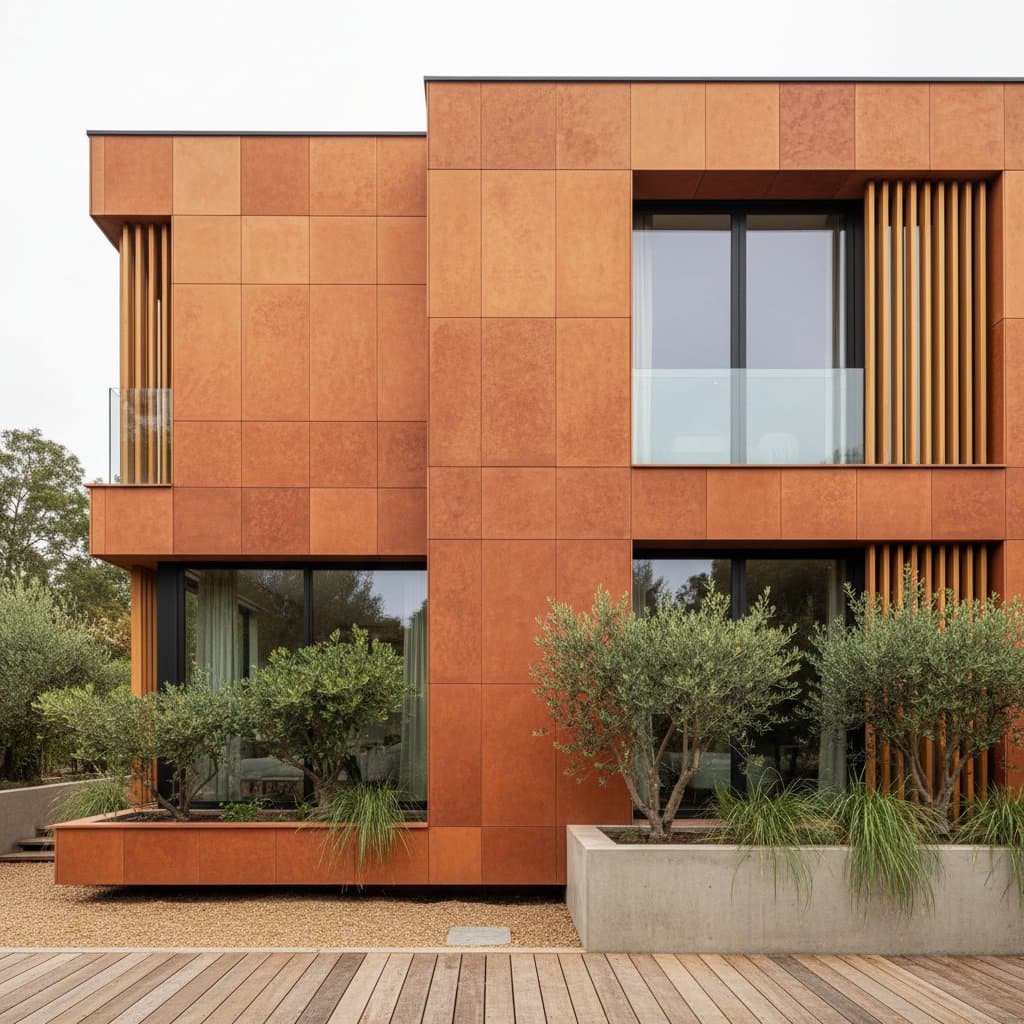
Terracotta's Revival: Earth-Tone Trends for 2026
Warm clay tones appear increasingly in contemporary homes and structures. This soft orange-brown hue, traditionally associated with roof tiles and pottery, now influences interior design, building facades, and furniture selections. For those seeking to infuse spaces with warmth and natural texture, terracotta offers an ideal solution.
Why Terracotta Is Back
Terracotta remains practical due to its composition from natural clay, which ensures longevity over decades and delivers a rich, grounded color without harshness. Contemporary preferences favor authentic, timeless materials, and terracotta aligns seamlessly with this direction. Interior designers and architects incorporate it innovatively, extending beyond floors and tiles to matte wall finishes, curved planters, and expansive facade panels in commercial settings.
The material's earthy warmth balances sleek elements like glass and metal, imparting personality to spaces while avoiding excessive rusticity. This resurgence reflects a broader appreciation for sustainable, versatile options in design.
The Appeal of Earth Tones
Terracotta forms part of a larger narrative favoring earth tones, where warm neutrals such as clay, sand, rust, and olive supplant cooler grays and stark whites. These shades foster calm, welcoming atmospheres in kitchens, living rooms, or offices. Earth tones facilitate seamless integration of textures and materials, evident in combinations like soft beige walls paired with a terracotta tile backsplash or a clay-toned planter adjacent to brushed steel furniture.
Such pairings yield simple, organic aesthetics that retain modern sophistication. Designers leverage these tones to evoke serenity and connection to nature.
How Terracotta Works in Modern Design
Terracotta provides versatile applications, suitable for subtle accents or prominent features. Consider these approaches to integrate it effectively.
1. Floors and Tiles
Terracotta tiles endure due to their durability and natural slip resistance. Available in square, hexagonal, or irregular handmade forms, they suit various styles. Sealed versions simplify cleaning, whereas unsealed options deliver a authentic matte appearance.
Pros:
- Exceptional longevity with straightforward repairs
- Immediate warmth enhancement in any room
- Compatibility with radiant floor heating systems
Cons:
- Requires sealing to resist stains
- May feel cool underfoot during winter without supplemental heating
Pricing spans moderate to premium levels, influenced by handmade versus machine-cut varieties. Installation typically requires a few days, contingent on room dimensions and subfloor preparation.
2. Walls and Facades
Architects revive terracotta panels for facades, valuing their weather resistance and color stability. Indoors, textured panels or plaster finishes substitute for paint, creating tactile depth. During remodeling, an accent wall in the kitchen or entryway proves effective, complemented by white trim for sharp contrast or natural wood for subtle harmony.
These applications elevate spatial interest without overwhelming the design.
3. Home Decor and Accessories
Incorporate terracotta through planters, lamp bases, or vases to introduce earthy tones affordably. Positioning clay pots on shelves or selecting terracotta-hued throw pillows alters room ambiance swiftly. Such elements allow experimentation without committing to structural changes.
4. Furniture and Countertops
Innovative clay composites replicate terracotta textures in furniture and surfaces. Dining tables with terracotta tops or countertops featuring clay-like finishes suit modern or minimalist environments, providing warmth amid clean lines. These options avoid ornate patterns while enhancing coziness.
Mixing Terracotta with Other Materials
Terracotta complements diverse materials, enhancing both interior and exterior schemes. Effective pairings include:
- Terracotta and wood: Fosters a cozy, natural ambiance; pair with oak or walnut for textural contrast.
- Terracotta and concrete: Merges warmth with industrial robustness, perfect for loft conversions.
- Terracotta and metal: Incorporate copper, brass, or matte black in fixtures and frames for contemporary flair.
- Terracotta and white plaster: Maintains brightness, spotlighting the clay's subtle hues.
Select finishes and proportions thoughtfully; matte terracotta harmonizes with similar textures, while glossy variants align with reflective modern elements.
Practical Considerations
Plan terracotta integration by evaluating cost, upkeep, and implementation.
Cost:
Decorative items remain budget-friendly, but custom tiles or panels escalate expenses. Allocate mid-range funds for standard tiles and higher for artisanal or structural applications.
Maintenance:
Porosity necessitates sealing for cleanliness. Employ mild soap and water routinely, steering clear of abrasive chemicals. Reapply sealant to floors and tiles biennially.
Installation:
DIY suits minor tile or planter tasks; engage professionals for extensive flooring or facades to ensure longevity and aesthetics.
Permits and Safety:
Exterior modifications may require local approvals. Adhere to codes, as terracotta's weight demands secure fastening.
Time and Effort:
Decor refreshes occur in hours, while full installations span days, accounting for mortar and sealant curing.
Why Terracotta Fits the Future of Design
Design evolves toward authenticity and sustainability, where terracotta excels as a recyclable, low-energy clay product with decades-long durability. Its thermal properties absorb daytime heat and release it gradually, aiding energy efficiency in sunlit regions.
Innovations like slim panels, three-dimensional forms, and refined matte finishes reposition terracotta in urban apartments, boutique hotels, and streamlined residences, transcending rustic origins.
Steps to Incorporate Terracotta Today
Follow this plan to introduce terracotta effectively:
- Select your shade. Terracotta varies from pale peach to deep burnt orange; test samples against existing walls.
- Focus on one zone. Begin with a backsplash, entry floor, or patio area to assess impact.
- Harmonize the palette. Incorporate neutrals like beige, cream, or muted green for equilibrium.
- Leverage natural light. Position elements to capture sunlight, amplifying terracotta's glow.
- Layer textures. Blend rough clay with sleek metal or glass for dynamic appeal.
Terracotta embodies enduring honesty in design. Through modest accents or comprehensive updates, it fosters a tangible link to natural elements.