
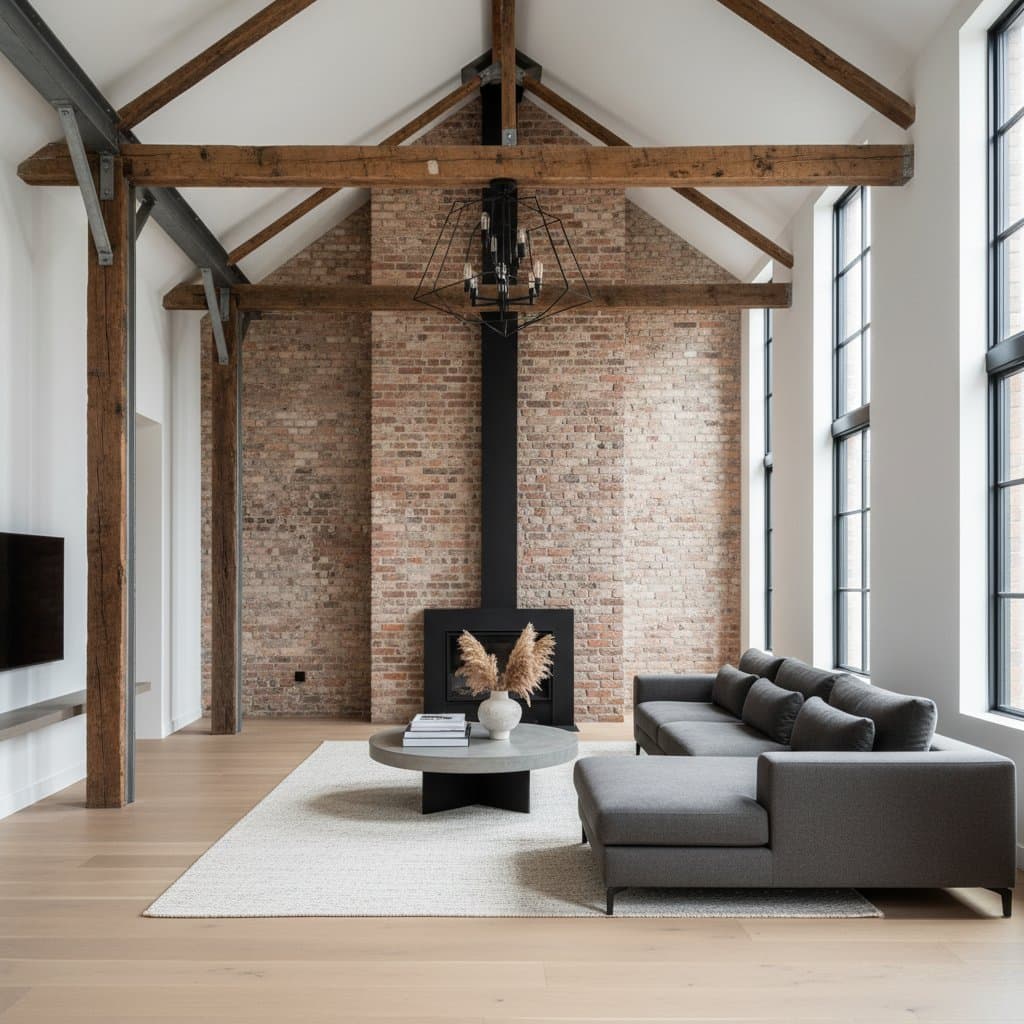
Why Deconstructed Spaces Rule Modern Interiors
Homeowners increasingly seek designs that reveal the inherent structure of a space rather than concealing it. Exposed beams, brick walls, and ductwork transform ordinary rooms into environments rich with character and texture. This approach, known as deconstructed interiors, emphasizes authenticity and invites residents to appreciate the building's original materials.
Deconstructed design moves beyond superficial trends to create spaces that feel timeless and personal. Professionals in interior architecture note that this style resonates in urban lofts and rural renovations alike, where raw elements provide a foundation for creative expression. By stripping away layers of finish, the result is a home that appears effortlessly sophisticated.
The Appeal of Deconstructed Design
Deconstructed interiors prioritize the exposure of structural components such as wooden joists, metal piping, and masonry surfaces. These elements, once concealed, now serve as focal points that add depth and narrative to a room. Architects describe this method as a celebration of materiality, where concrete floors or steel supports contribute to an overall sense of grounded elegance.
The style achieves harmony by integrating industrial motifs with residential comfort. For instance, a loft apartment might feature unpainted brick alongside plush upholstery to mitigate any starkness. This balance ensures the space remains inviting, suitable for daily living while projecting a contemporary aesthetic.
Urban dwellers appreciate how deconstructed elements echo the adaptability of city living, while suburban families find value in the warmth these features bring to traditional layouts. Interior designers recommend assessing the home's architecture first to determine which exposures enhance rather than overwhelm the environment.
Why People Love Exposed Structure Design
Several factors contribute to the enduring popularity of exposed structural designs in contemporary homes. First, the honesty of materials fosters a connection to the building's history; residents observe the craftsmanship in hand-hewn beams or aged brick without the interference of modern veneers. This transparency aligns with broader movements toward sustainable and mindful living.
Renovation expenses often decrease when existing features remain unaltered, allowing budgets to allocate toward selective enhancements like lighting or furnishings. Visual dynamics emerge from the interplay of shadows and textures, expanding the perceived scale of compact areas. Designers highlight how these contrasts draw the eye, creating focal points that reduce the need for additional decor.
The versatility of a raw canvas supports diverse styling options, from minimalist Scandinavian influences to eclectic bohemian arrangements. However, this aesthetic demands consideration of practicalities; exposed surfaces may amplify echoes or accumulate particulates, necessitating strategic placement of rugs and ventilation systems. Homeowners who embrace these nuances report heightened satisfaction with spaces that evolve alongside their lifestyles.
Creating a Deconstructed Look at Home
Incorporating deconstructed elements requires thoughtful execution, beginning with an evaluation of the property's existing architecture. In older homes, original plaster or timber may already lurk beneath surface layers, ready for revelation. For newer constructions, techniques such as strategic demolition or textured applications simulate authentic patinas.
To initiate changes, select a prominent yet manageable area, such as a living room accent wall. Professionals suggest consulting structural engineers to verify the integrity of concealed elements before removal. This precaution ensures compliance with building codes and preserves the home's stability.
-
Expose select surfaces: Carefully strip drywall from a non-load-bearing wall to unveil brick or lath. Apply a breathable sealant to protect against moisture while maintaining the material's natural appearance.
-
Reveal ceiling features: Dismantle suspended ceilings to access joists or trusses, then apply a uniform coat of low-sheen paint in earth tones for cohesion. This technique often uncovers unexpected architectural details that elevate the room's profile.
-
Incorporate diverse textures: Layer industrial concrete with natural fibers, such as wool throws over leather seating. Metal accents on cabinetry pair effectively with wooden beams, fostering a tactile variety that engages multiple senses.
-
Install functional open storage: Opt for wall-mounted racks in lieu of enclosed units to promote an airy, uncluttered vibe. Arrange items by color and scale to avoid visual chaos, aligning with the style's emphasis on intentional simplicity.
-
Introduce softening elements: Position lush greenery near rigid surfaces and select fixtures that emit diffused, amber-hued light. These additions temper the rawness, cultivating an atmosphere of refined comfort.
Costs, Time, and Effort
The financial implications of deconstructed renovations vary based on the scope and home's condition. Minimal interventions, like cleaning and sealing pre-existing brick, typically involve expenditures under $500 for supplies, completable over a single weekend. More extensive projects, including drywall excision and surface preparation, may range from $2,000 to $10,000, factoring in professional labor.
Time commitments escalate with complexity; a basic wall exposure might span two days, whereas ceiling work could extend to a week amid dust management and ventilation setup. Effort levels demand physical stamina, particularly for sanding or demolition tasks, where protective gear including respirators and eye shields proves essential.
Potential hazards warrant professional involvement for assessments of asbestos, lead, or outdated wiring. Contractors advise budgeting additional time for post-work tidying and air quality restoration. Advance planning with licensed experts minimizes disruptions and safeguards long-term habitability.
Pros and Cons to Consider
Pros
- Delivers a distinctive, narrative-driven aesthetic that distinguishes the home
- Potentially reduces material and labor costs by leveraging inherent structures
- Complements a range of furnishings, from contemporary to vintage
- Promotes environmental consciousness through material preservation
Cons
- Demands heightened upkeep to manage dust and allergens
- Risks acoustic amplification or thermal inconsistencies without mitigation
- May necessitate infrastructure updates for concealed utilities
- Requires precise execution to avoid an overly austere ambiance
Integrating Deconstructed Elements Effectively
To realize the potential of exposed beams and brick, commence with targeted trials in high-traffic zones like kitchens or entryways. Observe how these modifications influence light distribution and spatial flow before broader implementation. Collaboration with interior specialists ensures alignment with personal preferences and functional needs.
Maintenance routines, such as quarterly dusting and annual sealing, sustain the design's vitality. Homeowners discover that this style not only enhances visual appeal but also deepens appreciation for architectural heritage. Ultimately, deconstructed interiors foster environments where authenticity and practicality coexist seamlessly.