
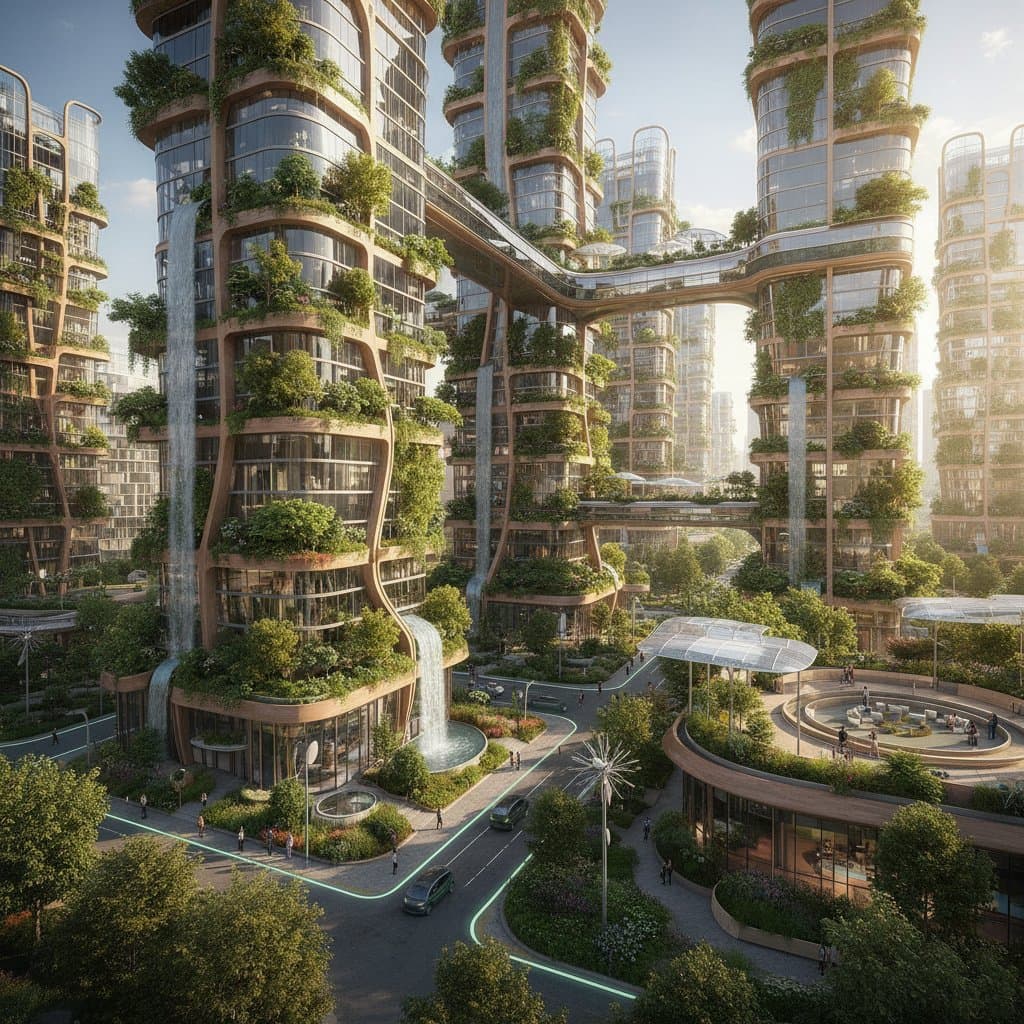
Solarpunk: Eco-Futurism Redefining Architecture
Picture a urban landscape where rooftops bloom with vegetation, windows harvest sunlight, and vertical gardens cascade down building facades. The atmosphere carries a freshness that integrates seamlessly with the built environment. This vision embodies solarpunk, an emerging design philosophy that reimagines architecture through the lens of sustainability, innovation, and harmony with nature.
Solarpunk challenges the stark lines of contemporary urban development by prioritizing ecological integration. Architects and designers draw inspiration from renewable technologies and natural systems to craft spaces that support both human inhabitants and the planet. This movement gains traction as global awareness of climate challenges intensifies, prompting a shift toward resilient, life-affirming structures.
Core Principles of Solarpunk in Daily Life
Solarpunk architecture fuses advanced renewables with biophilic elements to promote self-sustaining environments. Structures incorporate photovoltaic glazing that generates power while allowing natural light, rainwater harvesting systems that replenish local water tables, and modular green facades that enhance biodiversity. The emphasis lies on functionality that reduces environmental impact without sacrificing aesthetic appeal.
Individuals encounter solarpunk influences in urban planning initiatives, such as community solar farms or pedestrian-friendly green corridors. These designs foster social connections by encouraging shared spaces that prioritize walkability and local resource use. For homeowners, adopting these principles means transitioning from energy-dependent homes to ones that actively contribute to ecological balance.
Integrating Solarpunk Elements into Residential Spaces
Homeowners can introduce solarpunk features through targeted modifications that align with personal circumstances. Begin by evaluating current energy consumption patterns to identify high-impact areas, such as lighting or heating. Professional assessments from energy auditors provide data-driven insights to guide decisions.
Consider the following practical strategies, each adaptable to different scales of implementation:
-
Select eco-friendly building materials. Opt for sustainably sourced timber like FSC-certified wood or rapidly renewable bamboo for flooring and cabinetry. Reclaimed bricks or recycled steel offer durability while minimizing extraction demands on natural resources.
-
Incorporate biophilic features. Install vertical gardens using hydroponic systems that require minimal soil, or add native plant species to balconies for pollination support. These elements not only purify air but also regulate indoor temperatures through natural shading and evaporation.
-
Adopt renewable energy technologies. Mount rooftop solar arrays sized to offset 50 to 100 percent of household needs, depending on regional sunlight exposure. Pair with battery storage units to ensure power availability during low-light periods, potentially qualifying for utility rebates.
-
Optimize daylight utilization. Retrofit with low-E glass windows that transmit light while blocking heat, or install light shelves that bounce sunlight deeper into rooms. This approach cuts electricity use for illumination by up to 30 percent in well-designed spaces.
-
Promote communal resource sharing. Develop cooperative setups like neighborhood tool libraries or communal composting stations. These initiatives reduce individual ownership burdens and strengthen local networks, echoing solarpunk's collaborative ethos.
Budget considerations play a key role; for instance, a basic vertical garden kit costs under $200, whereas a full solar installation might range from $10,000 to $25,000 before incentives. Long-term savings on utilities often recoup investments within five to ten years, enhancing financial and environmental returns.
Advantages and Challenges of Solarpunk Implementation
Solarpunk designs deliver tangible benefits that extend beyond immediate aesthetics. Energy-efficient systems lower monthly bills by harnessing free solar resources, while integrated greenery improves occupant well-being through reduced stress and enhanced mood. On a broader scale, these buildings bolster urban ecosystems by providing habitats for birds and insects, countering habitat loss in dense populations.
The distinctive organic forms of solarpunk structures elevate neighborhood character, turning ordinary facades into vibrant landmarks. Communities benefit from increased property values and reduced infrastructure strain, as self-sufficient homes ease demands on municipal grids.
However, initial hurdles exist. Sustainable materials often carry premium prices, with bamboo flooring costing 20 to 50 percent more than standard options. Green roofs demand regular maintenance, including seasonal pruning and irrigation checks, which add to ongoing expenses. Regulatory barriers, such as zoning restrictions on solar placements, can delay projects and require navigation of permitting processes.
Weighing these factors involves assessing project scope. Large-scale renovations yield comprehensive gains, but incremental changes suit limited budgets or rental situations effectively.
Key Factors for Successful Adoption
Prior to commencing any solarpunk-inspired project, consult local ordinances to ensure compliance. Municipal codes vary; for example, some regions mandate engineering reviews for green roof loads, while others offer streamlined approvals for solar integrations. Engaging certified professionals early prevents costly revisions.
Maintenance planning proves essential for longevity. Automated drip irrigation sustains plant walls with minimal intervention, and annual solar panel cleanings preserve efficiency. Allocating 5 to 10 percent of the project budget for upkeep ensures sustained performance without unexpected disruptions.
Financial incentives, including tax credits and grants, offset upfront costs in many areas. Research programs like those from the U.S. Department of Energy to maximize support. This preparation transforms potential obstacles into manageable steps toward realization.
Steps Toward a Solarpunk-Inspired Future
Embracing solarpunk architecture involves incremental actions that accumulate meaningful change. Start with accessible upgrades, such as installing solar-powered pathway lights or cultivating a windowsill herb garden. These small interventions build momentum and demonstrate immediate environmental contributions.
As familiarity grows, pursue advanced integrations like passive solar heating designs that leverage building orientation for warmth retention. Collaborate with neighbors to pool resources for shared installations, amplifying collective impact. Each adaptation reinforces a commitment to resilient living.
Ultimately, solarpunk empowers individuals to shape sustainable surroundings. By prioritizing ecological design, homeowners cultivate spaces that nurture both personal health and planetary vitality. This approach not only addresses current challenges but also paves the way for enduring, harmonious communities.