
Solarpunk's Green Utopias: Architecture for 2026
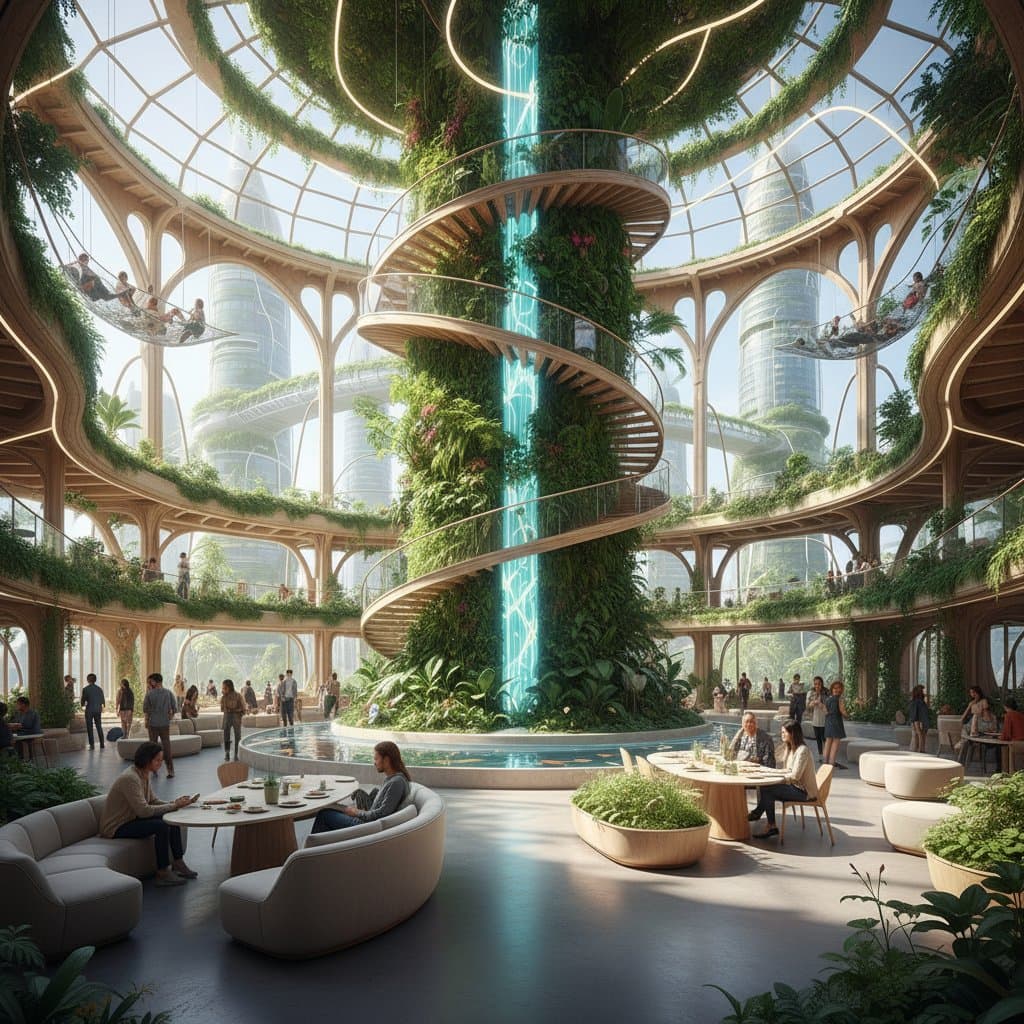
Envision a neighborhood where structures pulse with natural vitality. Walls adorned with lush greenery catch the eye, solar panels on undulating roofs capture light, and communal gardens burst with vitality. The atmosphere carries a sense of purity, and technology integrates subtly. Solarpunk presents this reality, with architecture serving as the foundation.
The term solarpunk appears in design discussions, online platforms, and environmental gatherings. Illustrations depict vine-covered metropolises bathed in sunlight, where rigid concrete yields to organic forms powered by renewables. This concept transcends idealism, transitioning into tangible built environments.
The Promise of Solarpunk Architecture
Solarpunk embodies an optimistic ethos, crafting a sustainable, equitable world rooted in ecological balance. It champions technology that complements nature. The movement blends functionality with inspiration, redesigning contemporary existence to cycle energy, water, and resources in ways that nurture humanity and Earth.
In this architecture, structures function as dynamic organisms. Roofs harvest precipitation, exteriors modulate sunlight, and interiors respond to environmental cues. Design decisions reflect synergy between human innovation and natural processes, drawing architects, creators, and residents to its vision.
Reimagining Cities as Living Ecosystems
Consider an urban landscape resembling a woodland expanse rather than a stark lattice. Avenues feature shade-providing trees that sequester carbon. Edifices emerge organically, enveloped in moss and blooms. Photovoltaic elements merge into surfaces, generating power continuously.
This paradigm alters urban planning perspectives. Nature integrates fully, with green roofs supporting pollinators. Vertical plantings insulate while sustaining biodiversity. Storm systems evolve into bioswales for natural filtration. Metropolises transform from mechanical constructs into nurturing realms.
The Principles Behind the Movement
Solarpunk architecture rests on core tenets applicable across scales, from towering structures to modest interiors.
-
Integration with Nature
Structures blend seamlessly with contexts, employing regional materials, safeguarding vegetation, and optimizing ventilation and illumination. -
Renewable Energy as Standard
Photovoltaics and aerogenerators form the aesthetic and moral core, pursuing not mere efficiency but complete autonomy. -
Circular Design Systems
Resource loops eliminate waste through rainwater capture, wastewater reuse, and organic decomposition facilities. -
Human Connection and Community
Environments emphasize social health via collective gardens, fabrication areas, and collaborative residences that promote unity and independence. -
Aesthetic of Hope
Visual appeal conveys positivity through vibrant hues, tactile qualities, and luminous effects.
Materials that Tell a Story
Solarpunk constructions select substances that honor locality and lifecycle. Salvaged timber, compressed soil, fast-growing bamboo, and repurposed alloys offer minimal ecological impact alongside inviting textures. Breathable lime finishes manage moisture inherently. Glazing aligns for passive solar gain in cooler months and protection in warmer ones.
Innovators cultivate biocomposites from fungi or aquatic organisms. Transparent photovoltaic glazing converts surfaces into energy producers. Results include structures that emit gentle luminescence at dusk, fueled by daytime absorption. Surfaces narrate cycles of regeneration over exhaustion.
Practical Steps to Create Your Own Solarpunk Space
Accessible changes invite solarpunk principles into personal environments without vast resources.
-
Start with Light and Air
Enhance daylight via overhead glazing or mirrors. Strategic openings promote airflow, diminishing reliance on mechanical cooling and infusing vitality. -
Green Your Walls and Roofs
Install vertical flora or elevated plantings for thermal regulation and habitat enhancement. Select resilient species like herbs, drought-tolerant plants, and indigenous varieties. -
Use Renewable Energy
Deploy photovoltaic arrays, compact aeroturbines, or group-owned grids to lower emissions substantially. -
Create Water Cycles
Deploy collection vessels or systems. Opt for porous surfaces to infiltrate moisture into earth rather than runoff. -
Reclaim and Reuse
Adapt existing furnishings, incorporate recovered elements, and select durable, recyclable coatings. -
Build Community Connections
Exchange assets, equipment, and expertise locally. Collaboration defines solarpunk vitality.
Such modifications extend beyond ecology; they cultivate serene, expansive atmospheres attuned to external patterns.
The Role of Technology in Solarpunk Design
Technology operates discreetly in solarpunk, enhancing existence without intrusion. Automated controls optimize consumption, monitors assess hydrology, and conductive layers produce power subtly. Seamless incorporation preserves aesthetic integrity.
Visualize adaptive facades that adjust transparency to solar intensity, automated conservatories evaluating soil conditions, or exteriors rivaling arboreal filtration. These innovations materialize today, merging sophistication with organic settings while retaining empathy and scale.
Challenges and Realities
Practical barriers temper solarpunk aspirations, including codes, initial investments, and supply chains. These hurdles often reveal pathways forward.
- Budget considerations: Eco-features demand upfront capital yet yield savings in operations and upkeep.
- Permitting and regulations: Progressive locales offer incentives like subsidies or expedited approvals for vegetated roofs and renewables.
- Maintenance: Biotic components need attention, fostering involvement and satisfaction.
Treat solarpunk as iterative evolution. Incremental decisions accumulate toward systemic shifts.
Local Expressions of Solarpunk
Regional contexts shape solarpunk uniquely. Tropical areas emphasize shelter, circulation, and humidity management. Arid zones leverage mass for retention and xeriscaping. Littoral settlements harness tidal power and halophytic flora. Diversity underscores sustainability's contextual essence.
Envision seaside dwellings from recycled lumber and marine stone, configured for precipitation gathering and wind guidance. Urban clusters become tiered oases with communal platforms yielding crops under shaded photovoltaics. These exemplars forge a vernacular attuned to locale and ecology.
Living with Solarpunk Design
Inhabiting solarpunk environments alters daily perception. Dawn rays pierce foliage, scents invigorate, and acoustics mellow through organics. Utilities decrease, yet profound shifts emerge in awareness of natural cadences.
Youth engage in verdant plazas amid pollinators and harvests. Residents barter yields and insights. Architecture facilitates communal bonds rather than division. This affective layer ensures enduring appeal, reshaping not merely form but sensation.
Advancing Your Solarpunk Project
Inspired by solarpunk, initiate modestly: install a photovoltaic unit, establish an overhead garden, or integrate biotic panels. Momentum builds from such foundations. For extensive work, seek aligned specialists. Post details on doricsouth.com at no cost to link with certified professionals versed in eco-practices. Evaluate proposals, examine works, and select partners aligned with regenerative goals.
Solarpunk bridges vision and execution. Its openness empowers widespread adoption. Prepare to infuse vitality into your surroundings: admit sunlight, embrace climbing verdure, and restore your dwelling's breath.