
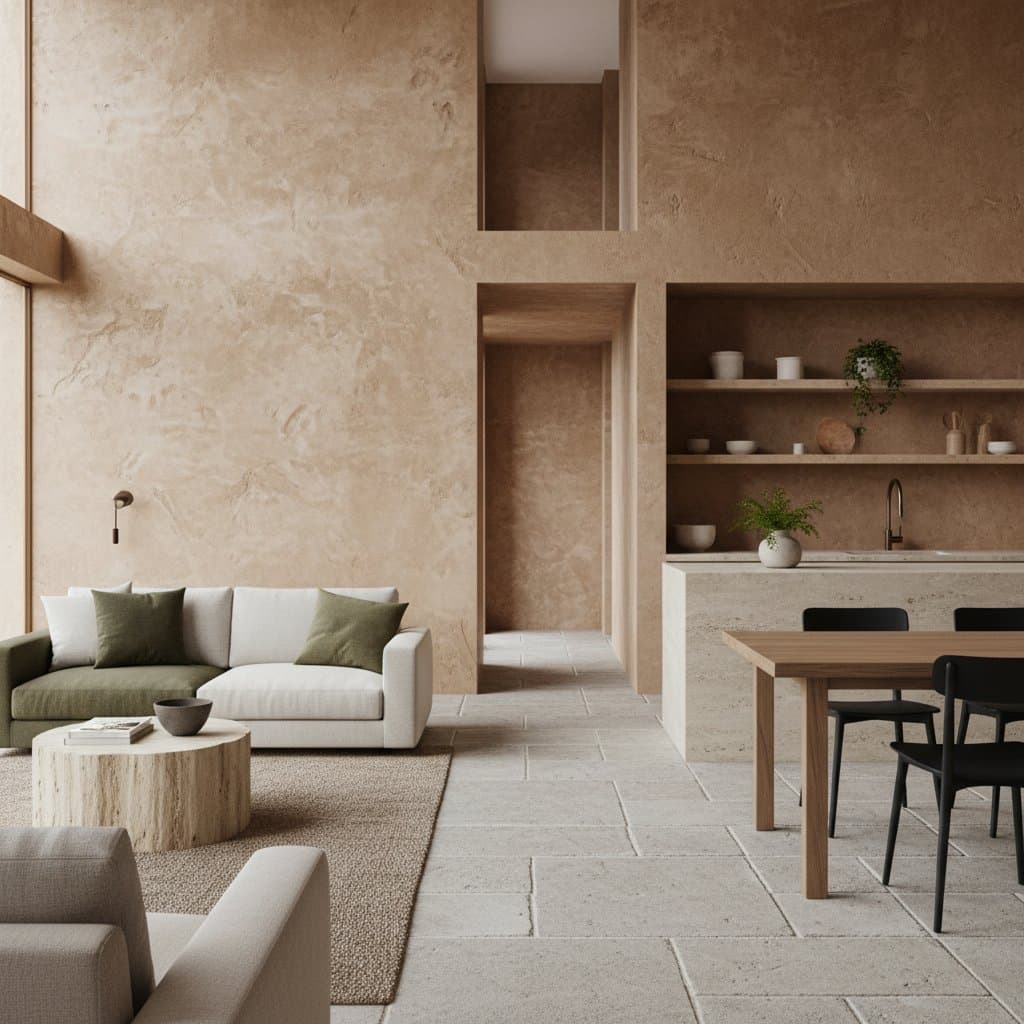
Raw Clay and Stone: Rising Trends in Earthy Interiors
You crave a home that feels grounded, calm, and connected to nature. Perhaps you tire of shiny surfaces that feel cold. You may want your living space to reflect the landscape outside. The move toward earthy interiors built around raw clay and stone is reshaping what it means to feel at home. These materials bring warmth and authenticity that synthetic finishes often miss.
Why Natural Materials Speak to Modern Living
Surfaces that tell a story offer deep comfort. Raw clay carries soft imperfections that make each wall feel alive. Natural stone brings strength and character. Their texture, temperature, and graceful aging create appeal. These materials offer stillness amid a busy world. They evoke slower rhythms, such as sunlight warming a terracotta floor or water gliding over a smooth river stone.
Bringing Earthy Textures Indoors
You can introduce clay and stone into your home in many creative ways. Each approach fits different budgets and levels of commitment.
-
Clay Plaster Walls
Replace flat paint with a clay plaster finish. The subtle color variations and velvety surface create depth and softness. Clay plasters regulate humidity naturally, which makes rooms feel fresher and more balanced. -
Stone Accents and Flooring
A limestone backsplash or slate floor adds instant texture. These stones prove durable and easy to maintain. They mature beautifully with time. Pebble mosaics or rough-cut stone also work well in bathrooms and entryways. -
Earthenware Decor
If a full renovation feels daunting, start small. Hand-thrown clay vases, rustic tiles, and stone candleholders shift the atmosphere in a single afternoon. -
Outdoor Continuity
Extend the look to patios or garden paths. When your exterior and interior share similar materials, your space feels larger and more cohesive.
Practical Considerations Before You Begin
Raw materials require thoughtful planning. Clay plasters are typically applied by skilled artisans. While they cost more than standard paint, their longevity offsets the investment. Stone flooring can prove heavy, so subfloor strength and moisture resistance must be evaluated before installation. Always check local building codes for any structural changes or wall treatments that may need review.
Budget-wise, expect natural clay finishes to range from moderate to premium, depending on pigment and texture. Stone costs vary widely by type and finish, from affordable quarried tiles to high-end custom slabs. For best results, consult a local professional who understands how humidity, temperature, and light in your region affect these materials.
Living with Your Earthy Design
Once your clay and stone elements are in place, maintenance remains surprisingly simple. Dusting with a dry cloth and avoiding harsh cleaners keeps textures intact. Over time, minor marks or color shifts add character rather than detract from beauty. The more you live with these materials, the more they reveal their quiet charm.
Selecting Professionals for Your Project
If you are ready to transform your space into a calm sanctuary rooted in nature, begin by exploring trusted local professionals who specialize in natural materials. Your home can feel timeless, grounded, and beautifully connected to the earth.