
Quiet Luxury Interiors: A Practical Guide to Timeless Design
Have you ever walked into a room that feels calm and polished, yet you cannot identify one flashy detail? That is the appeal of quiet luxury interiors. This approach relies on thoughtful materials, comfortable furniture, and a restrained palette to create a home that feels special without appearing showy.
If you are updating a room, quiet luxury can help you spend on the details you touch and use every day. You do not need to replace everything or buy expensive designer pieces. Start with what you have, identify what feels cluttered or worn, then make a few careful changes.
What Quiet Luxury Looks Like at Home
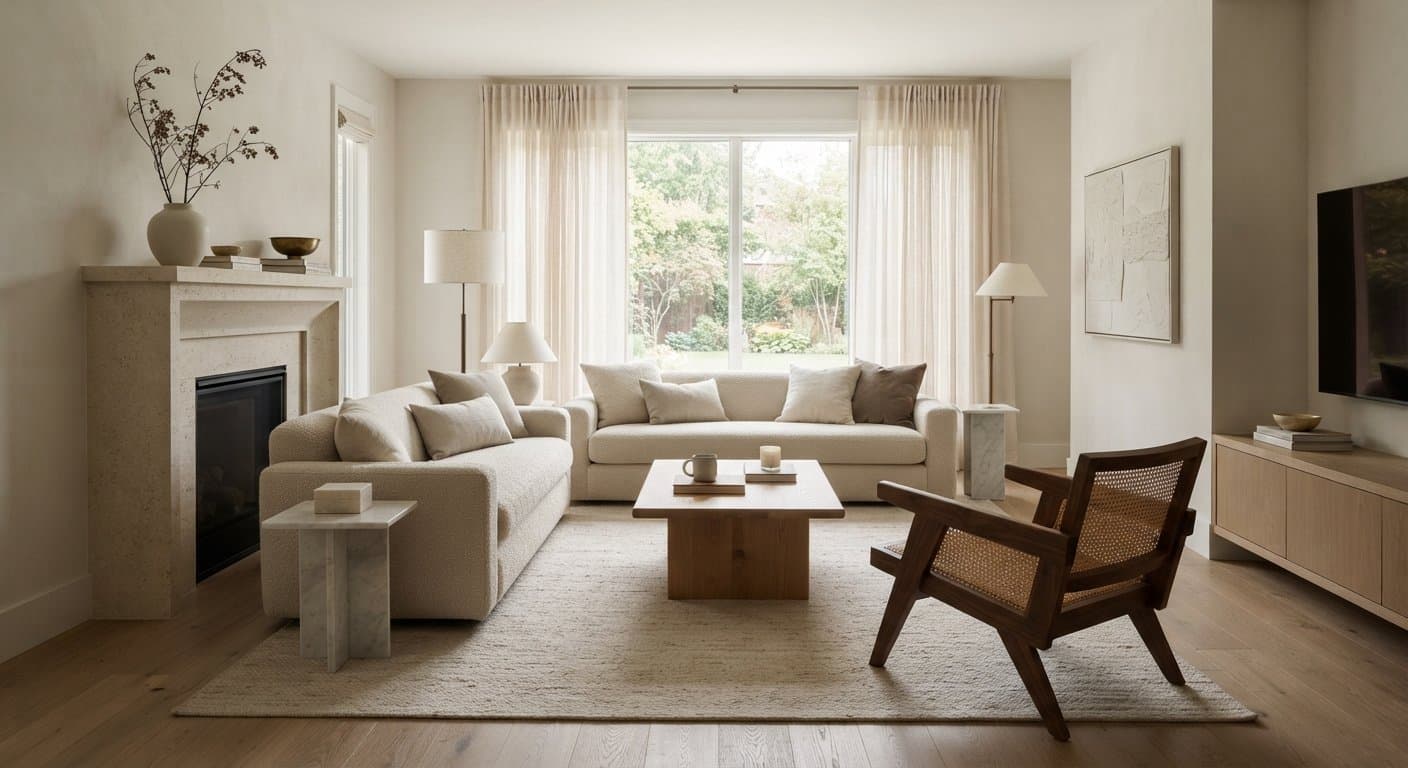
Quiet luxury is a way of decorating that favors quality, comfort, and restraint over visible branding or fast-changing trends. A room may include a linen sofa, a solid wood table, warm lighting, and simple art. Each item has a purpose, and the overall space feels settled rather than staged.
The style is not limited to a certain income or home size. You can use its principles in a rental apartment, a small bedroom, or a family living room. The key is to look closely at proportion, texture, and daily use.
A useful starting point is to ask these questions:
- Does this room feel comfortable to spend time in?
- Can you move around without bumping into furniture?
- Are the materials pleasant to touch and easy to care for?
- Does each object earn its place?
Quiet luxury is not a demand for a perfectly minimal home. Family photos, books, and well-loved objects can fit naturally. The goal is to give them room to be noticed.
Why This Style Is Shaping Interior Design
Many homeowners want spaces that feel restful and last beyond a single trend. A restrained interior can be easier to live with than a room full of bold finishes that may feel tiring after a while. Neutral colors also make it simpler to change accessories without repainting or replacing large furniture.
This does not mean every room needs beige walls and matching furniture. Quiet luxury works best when it includes contrast and personal details. A pale wall can look warmer beside dark oak, while a simple sofa gains character from a textured wool throw.
There are practical benefits, too:
- Fewer impulse purchases. A clear plan helps you avoid buying items that do not suit the room.
- More flexible decorating. Neutral foundations can work with seasonal colors, artwork, and changing needs.
- Comfort as a priority. Furniture is chosen for how it feels and functions, not just how it photographs.
- Better use of the budget. You can focus spending on a durable sofa, a good mattress, or reliable lighting.
The main challenge is that a plain room can feel unfinished. Texture, lighting, and scale matter, so avoid removing color and pattern without adding other sources of interest.
Build a Calm Color Palette
Start with two or three main colors. Warm white, soft taupe, muted gray, sand, and earthy brown make useful foundations. If your room gets little natural light, a creamy wall color may feel more welcoming than a cool white. Test paint samples on different walls and look at them during the day and evening before you commit.
Then choose one or two supporting shades. Deep green, soft blue, rust, or burgundy can add depth without taking over. Use them in a chair, cushion, rug, or artwork. If you rent, textiles and removable decor provide color without a permanent project.
A simple color plan might look like this:
- Base: Warm white walls and a neutral sofa.
- Natural contrast: Oak furniture and a woven rug.
- Accent: Green in a cushion and a few leaves from a houseplant.
Keep the palette consistent, not identical. Repeating one shade in different fabrics or finishes helps a home feel connected while allowing each room to have its own character.
Choose Materials That Feel Good to Use
Texture gives a quiet room its depth. Combine smooth, soft, rough, and natural surfaces so the space does not look flat. Linen curtains, a wool rug, ceramic lamps, wood furniture, and a stone tray can work together without competing for attention.
Before buying, check how a material will handle your routine. Linen may wrinkle, which some people enjoy and others find frustrating. Wool feels warm and can last well, but it may need careful cleaning. A pale rug looks airy, yet it can be stressful in a busy home with pets or children. In that case, choose a patterned rug in a forgiving color or a washable option.
Use this quick checklist:
- Touch fabric samples before ordering a sofa or curtains.
- Ask about cleaning instructions and replacement covers.
- Check whether wood is solid, veneered, or engineered.
- Look at seams, handles, hinges, and drawer movement.
- Compare the price with expected care and repair costs.
You do not need premium materials everywhere. Use them where they have the most effect, such as a sofa you use daily or a dining table that needs to withstand years of meals. Less costly accessories can fill in the rest.
Make Furniture Fit the Room
Furniture that is too large can make even a spacious room feel crowded. Measure the room, doorways, and stairs before ordering. Mark the footprint of a proposed sofa or table with painter's tape. This low-cost step can save you from delivery problems and an expensive return.
Aim for clear walking paths and a layout that supports how you actually live. If you watch television in the living room, make sure seating faces the screen comfortably. If you often host friends, leave enough space for people to move between chairs.
Try these adjustments before shopping:
- Remove one piece that blocks movement.
- Pull the rug far enough under the main seating area to connect the furniture.
- Add a side table where you regularly set down a drink or book.
- Check that drawers and cabinet doors can open fully.
- Sit in each chair and sofa, not just on the edge.
Buying fewer, well-sized pieces often looks more polished than filling every corner. The trade-off is that a quality sofa or dining table can cost more upfront. If the budget is tight, look for secondhand solid wood furniture, then clean, repair, or refinish it.
Use Lighting to Set the Mood
Good lighting changes how a room feels and how easy it is to use. A single bright ceiling fixture can make a living room feel harsh, even when the furniture and colors are carefully chosen. Use several light sources at different heights instead.
A practical living room plan includes overhead lighting for general use, a table or floor lamp for reading, and a smaller lamp for a softer evening feel. Choose warm bulbs and make sure they are suitable for each fixture. Dimmers can help, though installation may require an electrician, especially if your home needs new wiring.
For a simple refresh:
- Replace a dated shade with one that suits the room's scale.
- Place a reading lamp beside the chair you use most.
- Add a dimmable bulb where the fixture allows it.
- Use matching bulb color across lights that are visible together.
A table lamp usually costs less and takes less effort to install than rewiring. New recessed lights or a relocated outlet can improve function, but they raise labor costs and may require permits or a licensed professional. Check local rules before starting electrical work.
Edit Decor Without Making the Room Feel Empty
Quiet luxury favors a few meaningful objects over many small decorations. That does not mean you need to clear every shelf. Group items by height, shape, or color, and leave some open space around them.
A good edit can be done in an afternoon:
- Take small decor off shelves and tables.
- Put back the pieces you use, love, or want to display.
- Group a few objects together instead of spreading them across every surface.
- Add a lamp, plant, or framed image to bring warmth and scale.
- Store the remaining items for a few weeks before deciding whether to donate them.
Art does not need to be expensive. A framed print, a family photograph, or a piece made by a local artist can give a room a personal focus. Choose a frame and size that suit the wall, then hang it at a comfortable viewing height. If you are renting, use wall-safe hanging hardware and confirm the weight limit.
Plan Spending and Work in Stages
A quiet luxury update can cost a little or a lot. Rearranging furniture, editing decor, and changing lamps may cost very little. New curtains, rugs, or a sofa can add up quickly, while custom cabinetry, flooring, and electrical work require a larger budget and more planning.
Set a spending limit before you shop. Divide it into essentials, improvements, and optional additions. For example, you may need a supportive mattress first, while new bedside accessories can wait. Ask retailers about delivery fees, return costs, fabric care, and warranties before paying.
A staged plan keeps the work manageable:
- First: Declutter, measure, and decide what stays.
- Next: Improve lighting and layout.
- Then: Add textiles or replace one worn piece.
- Later: Consider paint, flooring, or built-in storage.
Painting a room can be a weekend project for an experienced do-it-yourselfer, but wall repairs and careful edging add time. Flooring, plumbing, and electrical work are harder to get right without training. Hire a qualified professional when a project affects safety, structure, or building systems. Ask for a written estimate that lists materials, labor, and cleanup.
Apply These Principles to Your Own Space
Quiet luxury succeeds when you focus on daily comfort and lasting quality rather than visual impact. Begin with the rooms you use most. Measure, edit, and improve one area at a time. Over weeks or months, these small decisions accumulate into rooms that feel calm, personal, and welcoming.