
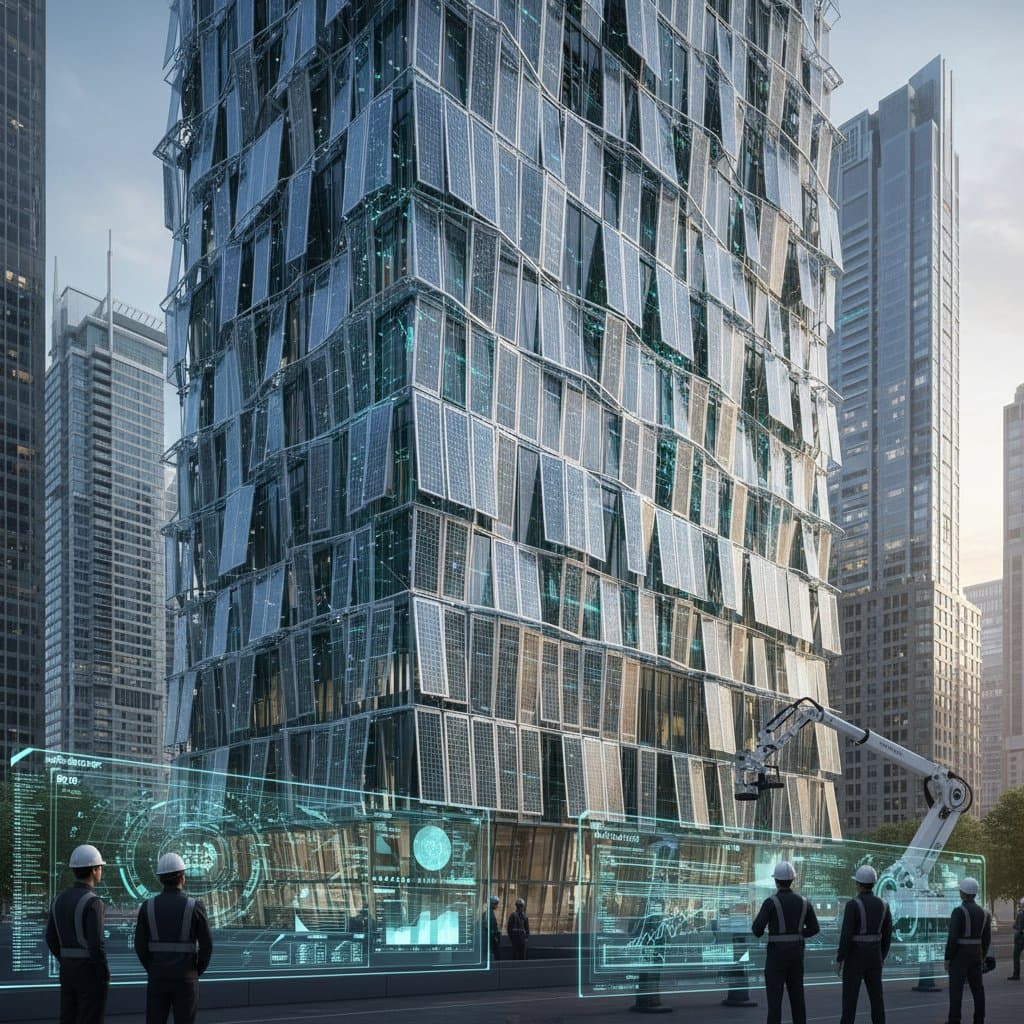
Parametric Facades Reshaping Architecture by 2026
Imagine a building exterior that subtly adjusts to changing sunlight, heat, or wind patterns. This dynamic response stems from mathematical precision rather than illusion. Architects worldwide increasingly adopt parametric facades, leveraging algorithms and environmental data to create adaptive surfaces. These innovations influence how structures appear, function, and endure, benefiting designers, builders, and property owners alike.
The potential extends beyond rigid exteriors to responsive systems that minimize energy consumption, control solar exposure, and adapt to moisture levels. Yet, realizing these advantages requires a solid grasp of parametric facades and their integration into standard building practices.
This article explores the mechanics of parametric facades, associated expenses, and practical considerations for incorporating them into upcoming projects.
Reasons Architects and Builders Embrace Parametric Facades
Conventional facades depend on manual drafting with uniform components and set measurements. Parametric facades prioritize performance metrics, enabling optimization for natural light, air circulation, or thermal regulation while preserving visual appeal.
Several factors drive this trend:
-
Energy Efficiency
Parametric designs mitigate excessive solar heat through tailored geometries or embedded shading mechanisms. In regions with high temperatures, such systems often decrease air conditioning demands by 10 to 25 percent. -
Aesthetic Flexibility
Individual panels or modules vary in form, yielding a distinctive, organic appearance. Designers control the degree of variation to align with specific artistic or functional objectives. -
Material Optimization
Computational tools determine ideal panel dimensions and production techniques, minimizing excess materials. On expansive projects, these efficiencies translate to substantial reductions, potentially saving thousands in procurement expenses. -
Environmental Responsiveness
Certain configurations incorporate movable elements that shift daily. For instance, louvers track solar paths, or vents release accumulated warmth, with options for automation or direct user input.
Expenses and Implementation Challenges
Costs for parametric facades fluctuate based on sophistication. Basic options, like patterned metal sheets or stationary screens, range from $35 to $60 per square foot. Advanced kinetic setups with sensors and actuators climb to $120 to $200 per square foot.
Primary expense categories encompass:
-
Software and Design Efforts
Developing parametric models demands advanced skills. Project design budgets may rise by 10 to 20 percent to cover computational analysis and iterations. -
Manufacturing Processes
Bespoke elements necessitate precision tools such as CNC mills or laser cutters, elevating both raw material and workmanship fees. -
Automation and Upkeep
Systems featuring actuators require monitoring devices and routine adjustments. Annual maintenance typically amounts to $1 to $2 per square foot.
Although initial outlays prove higher, sustained benefits from lower utility bills and enhanced durability offset them. Commercial ventures often recoup investments within five to ten years, influenced by regional energy rates and weather conditions.
Ensuring Safety and Durability
Parametric facades balance innovation with reliability, yet structural soundness takes precedence. Installations must withstand environmental stresses including gusts, precipitation, and operational shifts. Collaboration with engineers proves vital from the outset.
Critical aspects demand scrutiny:
-
Mounting Mechanisms
Select robust fixings capable of bearing facade loads and any dynamic motions. -
Material Choices
Opt for durable options like aluminum alloys, stainless steels, or engineered composites to resist weathering in exposed settings. -
Fire Safety Compliance
Confirm adherence to regulations, particularly for structures with dense populations or combined uses.
In kinetic applications, incorporate fail-safes such as manual controls for power disruptions. Establish ongoing assessment protocols to maintain peak condition.
Applying Parametric Principles to Residential Projects
Homeowners can scale these concepts for personal spaces. Modular shading devices, intelligent airflow panels, and simulation software now enter mainstream availability. Start by consulting local experts to assess site-specific needs, from orientation to climate demands. Over time, these elements foster resilient homes that harmonize efficiency with elegance.