
The Radical Beauty of Self-Sustaining Earthships
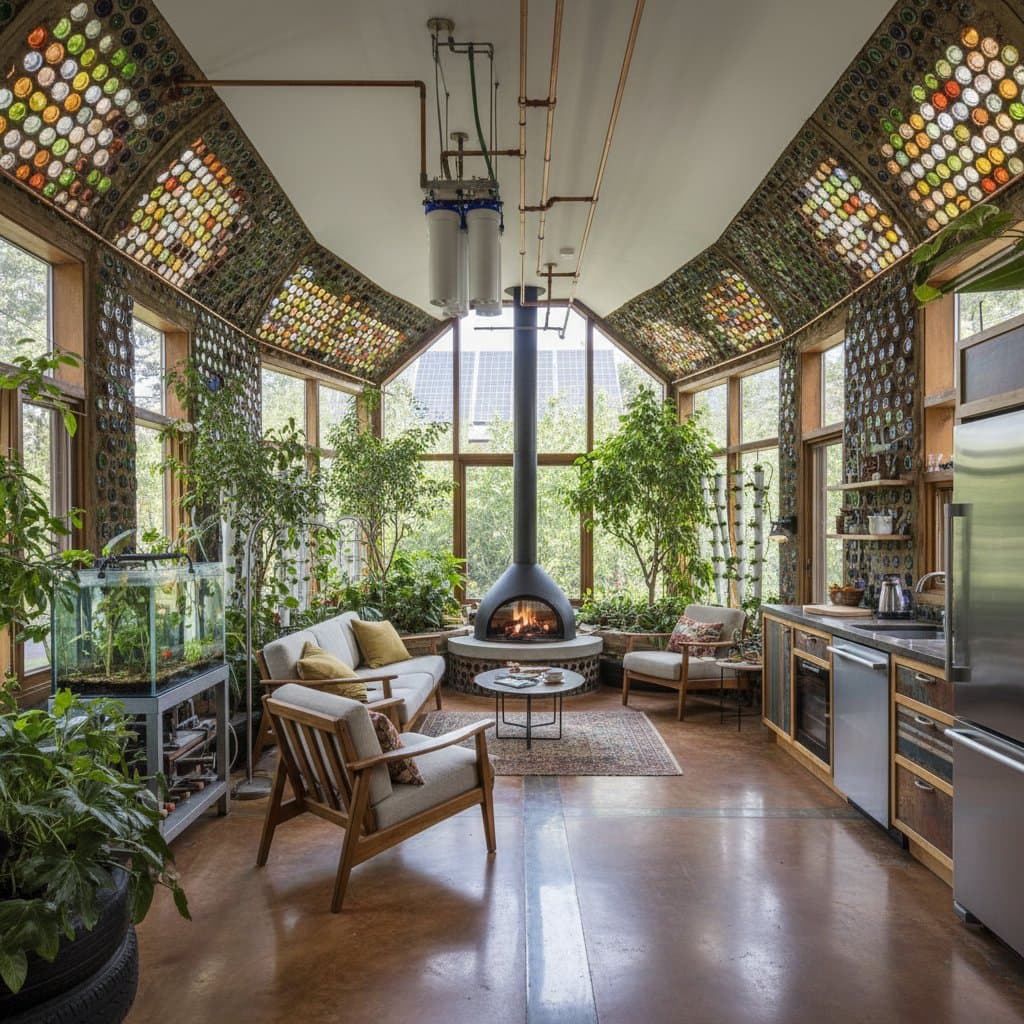
Imagine waking in a residence constructed from used tires, glass bottles, and salvaged wood. Sunlight filters through robust walls packed with earth, maintaining steady indoor temperatures without reliance on heating or cooling units. Rainwater gathers from the roof, passes through a natural purification process, and supplies faucets and showers. Residents cultivate produce in an attached greenhouse mere steps from the kitchen. This scenario represents reality for Earthship inhabitants, not mere speculation.
For individuals seeking reduced environmental impact, lower expenses, or detachment from urban infrastructure, Earthships provide a viable path. These structures fulfill most daily requirements through renewable and repurposed resources. They function entirely off-grid, independent of municipal electricity, water, or sewage. Though the concept appears unconventional, implementation proves feasible with thorough preparation and commitment.
Examine the distinctive features of Earthships, their operational mechanics, and the demands of residency.
Why People Choose Earthships
Residency in an Earthship emphasizes autonomy while fostering environmental stewardship. Beyond mere bill reduction, it redefines lifestyle patterns. The following outlines primary motivations for adopting this approach.
The Pros
- Low ongoing costs: After construction, utility expenses drop to negligible levels. Primary expenditures involve routine upkeep and minor energy enhancements.
- Comfortable living: Thermal mass properties ensure consistent temperatures across diverse weather conditions.
- Eco-friendly construction: Recycled and natural elements divert waste from landfills and lessen reliance on virgin materials.
- Resilience: These homes sustain operations amid electrical blackouts or water disruptions.
- Personal satisfaction: Residents derive fulfillment from constructing and sustaining their dwellings.
The Challenges
- High initial cost: Expenses align with conventional housing, varying by scale and site. Basic designs commence at approximately $150,000, while elaborate versions exceed $300,000.
- Labor intensive: Compacting earth into tires demands significant physical effort. Professional assistance mitigates this but increases outlays.
- Permit difficulties: Certain jurisdictions lack familiarity with Earthship architecture, necessitating detailed submissions and persistence for compliance.
- Maintenance learning curve: Overseeing solar arrays, water reservoirs, and purification requires initial study and ongoing vigilance.
When these hurdles appear surmountable, the advantages in liberty and ecological harmony often prevail.
How an Earthship Works Day to Day
Daily routines in an Earthship mirror conventional homes after acclimation. Integrated systems operate seamlessly to support habitation.
Heating and Cooling
Structures typically embed into south-facing slopes or earth berms. Rear walls, formed from soil-filled tires, function as thermal reservoirs absorbing daytime solar gain. South-oriented glazing captures sunlight, warming interior surfaces that radiate heat nocturnally. Strategic vents facilitate airflow, introducing cooler air from shaded areas and expelling excess warmth. Such design minimizes needs for supplemental climate control.
Power and Lighting
Photovoltaic panels generate electricity for essential functions. Stored in battery arrays, energy powers evening activities. Energy-efficient LEDs and appliances optimize consumption. Residents monitor usage patterns, adapting habits to sustain supply without disruption.
Water Collection and Use
Roof runoff channels into insulated cisterns for storage. Multi-stage filtration renders water potable for domestic purposes. Greywater from sinks and laundry redirects to interior planters, where vegetation further purifies it for non-potable applications like flushing or landscaping. This closed-loop process conserves resources and minimizes external inputs.
Food Production
Front-facing greenhouses or planter beds leverage passive solar warmth for year-round cultivation. Residents harvest greens, root vegetables, or dwarf citrus within the living area. Ambient humidity and heat from household activities enhance plant vitality, yielding fresh produce regardless of exterior seasons.
Building Your Own Earthship
Prospective builders should initiate with comprehensive investigation and pragmatic goals. Follow these sequential steps for effective execution.
-
Choose your site: Select parcels offering ample southern exposure and effective drainage. Ideal topography supports rear berm integration for stability.
-
Check local codes: Engage municipal authorities promptly to gauge receptivity. Consult engineers or architects to validate designs against regulations.
-
Set a budget: Factor in variables like land preparation, material sourcing, and professional fees. Basic setups range from $100,000 to $200,000; expansions elevate totals.
-
Decide on your level of involvement: Opt for certified Earthship contractors for efficiency, or participate in hands-on seminars for partial self-build. Recruit teams for labor-intensive phases like tire packing.
-
Plan your systems: Assess regional precipitation for cistern sizing and solar irradiance for panel capacity. Integrate greywater recycling and composting toilets to complete off-grid viability.
-
Build gradually: Prioritize envelope completion before interior fittings. Phased development allows financial pacing and system testing.
This methodical progression controls expenses and builds expertise incrementally.
Practical Considerations Before You Commit
Time and Effort
Construction spans months, influenced by design intricacy and workforce scale. Even delegated projects demand owner input on specifications and oversight.
Maintenance
Regular tasks include filter rinsing, battery inspections, and component repairs. Familiarity with protocols simplifies these responsibilities, akin to nurturing a balanced habitat.
Climate and Location
Optimal performance occurs in arid, high-sun locales, though modifications suit varied conditions. In overcast or moist zones, incorporate auxiliary generators or dehumidifiers. Study regional precedents for tailored adaptations.
Resale and Financing
Lenders often require specialized appraisals, complicating mortgages. Cash purchases or alternative financing prove common. Long-term occupancy sidesteps resale challenges in niche markets.
Living the Off-Grid Dream
Settlement in an Earthship cultivates attentiveness to natural cycles, from precipitation volumes to solar trajectories. Direct visibility of resource flows heightens consumption awareness. Self-reliance supplants external dependencies, instilling assured self-sufficiency.
Making It Happen
To pursue self-sustaining residency, commence with immersion. Tour established Earthships or assist in constructions to grasp mechanics. Dialogue with proprietors reveals unvarnished insights. Incorporate principles like rainwater barrels or solar accents into existing spaces for gradual transition.
Earthships embody dynamic ecosystems, yielding reciprocity with the environment. They illustrate how dwellings can sustain while enriching lives.