
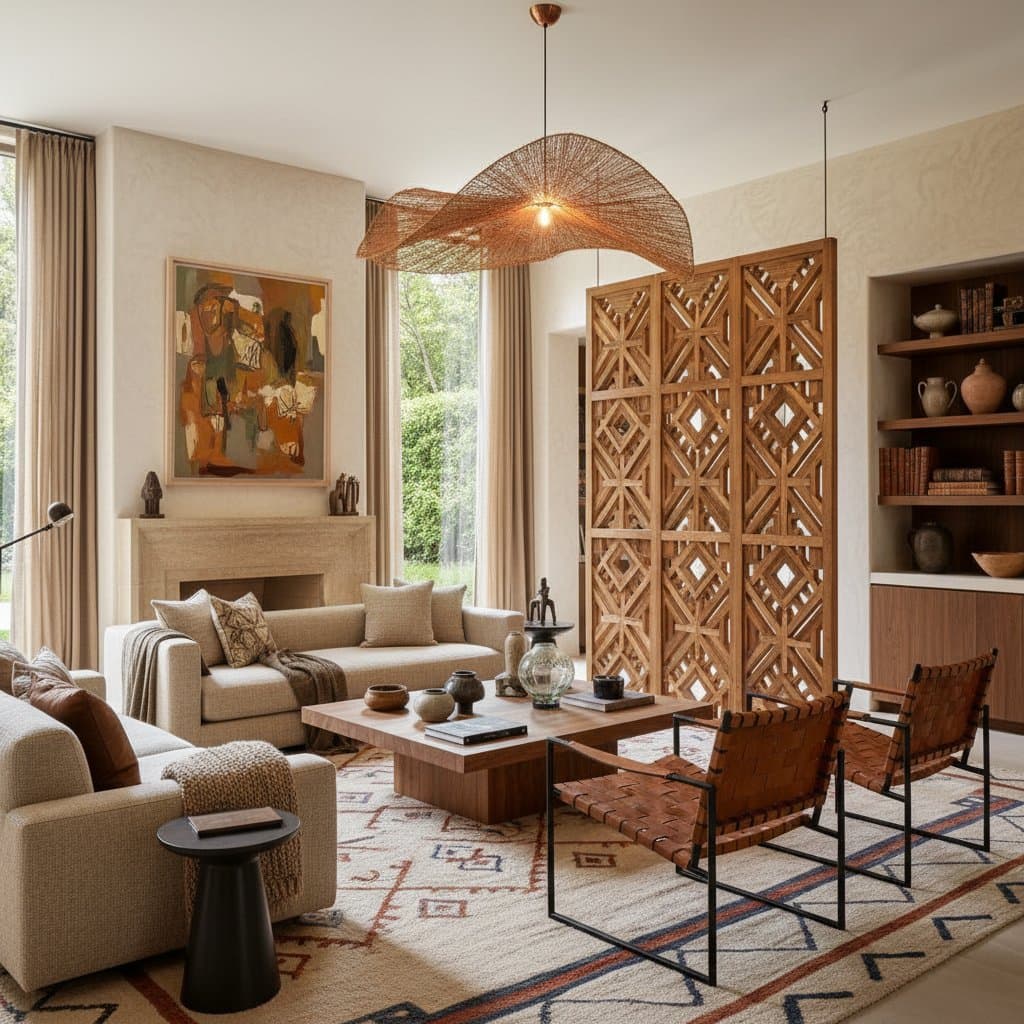
Handcrafted Details Outshine Minimalism in Modern Design
Enter a recently constructed home anticipating the smooth, neutral tones common in contemporary aesthetics. Instead, notice a intricately carved wooden mantel, meticulously forged metal hardware, and subtly textured plaster walls that capture and reflect natural light. This environment conveys stability, individuality, and inherent humanity. Homeowners and designers increasingly adopt this approach, where minimalist principles retain their merit, yet handcrafted accents regain prominence to infuse warmth and substance into living areas.
The Transition from Minimalism to Substance
Minimalism long delivered tranquility via unadorned simplicity, featuring sharp white walls, expansive layouts, and emphasis on utility above decoration. However, numerous residents now perceive such environments as overly clinical and detached from everyday existence. Daily life possesses inherent complexity, and interiors begin to mirror this quality once more. The emergence of artisanal architecture and restrained maximalism signals a shared yearning for genuineness, for substances that reveal their provenance and the hands that shaped them.
This evolution complements rather than discards minimalism. It enhances foundational clarity and harmony with layers of sensory appeal and narrative depth. Retain geometric precision and proportional balance, then overlay elements like weathered metals, visible wood grains, and manually applied finishes that encourage physical engagement over distant observation.
The Value of Handcrafted Elements
Artisanal components impart unique personality to a residence in manners that industrialized products fail to achieve. Each item bears the trace of individual effort, whether through shaping, engraving, or hammering. This personal mark introduces an affective dimension absent in standardized manufacturing.
Principal advantages of incorporating handcrafted design encompass:
- Uniqueness – Every artisanal piece varies subtly, ensuring your interior appears bespoke rather than replicated.
- Durability – Expert construction yields robust elements that mature elegantly over years.
- Personal Link – Awareness of the creator behind fixtures, tiles, or furnishings weaves narrative into your living space.
- Ecological Benefits – Artisans frequently select regionally sourced, ethical materials, minimizing shipping emissions and environmental impact.
Minimalist arrangements project serenity, yet handcrafted settings pulse with vitality. Designs abundant in texture promote engagement, from the grit of plaster surfaces to the weave of fabrics or the chisel marks on stone counters.
Incorporating Artisanal Craftsmanship
To pivot your residence toward handcrafted aesthetics, initiate with modest changes. Comprehensive overhauls prove unnecessary; targeted additions suffice to alter the ambiance profoundly.
Architectural Finishes
Surfaces like walls and ceilings offer ideal opportunities for skilled applications. Techniques such as trowel-applied plaster, limewash coatings, or clay-infused paints generate dimension and nuanced illumination beyond standard paints. Professional installations typically cost between $8 and $18 per square foot, influenced by intricacy and desired effect. These options permit natural vapor exchange, aiding moisture balance and air purity indoors.
Flooring and Millwork
Opt for manually distressed or salvaged timber floors to introduce comforting warmth. Installation inclusive pricing ranges from $10 to $25 per square foot. Bespoke elements like integrated shelving, balustrades, or revealed structural timbers function as central attractions. When engaging woodworkers, deliberate on timber type, pattern alignment, and sealing methods, as each choice affects visual appeal and endurance.
Metallic and Lithic Features
Elements in darkened iron, brass, or bronze provide striking contrast against gentler textures. Custom-forged fittings, luminaires, or ventilation hoods command 20 to 40 percent premiums over mass-produced equivalents, yet endure extended use and acquire appealing oxidation. Carved stone basins, surrounds, or worktops impart enduring solidity, suitable for enhancing routine areas like cooking or washing spaces.
Fabric and Soft Goods
Woven floor coverings, stitched cushions, and tailored seating temper rigid forms. Such pieces frequently embody local traditions, linking your home to broader heritage. A commissioned settee begins at approximately $3,000, varying with textile selection and structural integrity. This investment surpasses ready-made alternatives in comfort and originality.
Illumination and Hardware
Illumination presents a straightforward entry point for craftsmanship. Blown-glass suspensions or molded-clay wall lights act as artistic statements. Artisanal units price from $400 to $1,200 apiece. The superior diffusion and material nuance distinguish them markedly from commercial counterparts.
Harmonizing Artisanal Elements with Contemporary Restraint
Excessive decoration risks chaos, while insufficiency breeds chill. Optimal handcrafted spaces achieve poise between exactitude and organic variance. Assess your home's core framework first. In sleek modern builds, emphasize basic forms and allow material tactility to supply coziness. For structures with heritage traits, deploy craftsmanship to accentuate rather than obscure them.
Strategies for achieving equilibrium:
- Restrict hues to a limited scheme, permitting textures to emerge prominently.
- Combine substances deliberately, juxtaposing coarse against refined, dull against lustrous.
- Position artisanal items as highlights, avoiding overuse as mere decoration.
- Preserve unobstructed views to prevent perceptual overload.
This method honors minimalism's core while amplifying it through palpable layers.
Budget, Schedule, and Expertise Factors
Artisanal endeavors demand greater initial outlay but yield sustained returns. Expenses fluctuate by locale and maker's standing, generally 15 to 40 percent above conventional choices. Tailored undertakings extend timelines by two to six weeks, accounting for fabrication and collaboration among specialists.
For cost-conscious approaches, explore composites. Acquire custom panels for storage units while retaining basic frameworks. Select a single prominent artisanal feature per area to sustain genuineness without excess expenditure.
Those inclined toward self-application might tackle surface treatments like limewashing. Delegate tasks involving load-bearing changes, metallurgy, or masonry to qualified experts. Faulty execution invites fractures, water ingress, or risks to safety.
Local Influences and Regulatory Aspects
Regional weather and standards dictate suitable substances and methods. In moist zones, prioritize permeable plasters and protected timbers. Arid areas benefit from untreated stone and untreated coatings. Verify compliance with area-specific norms for flammability and dampness management.
Substantial alterations, including beam additions or wall modifications, necessitate approvals. Superficial enhancements like surface treatments or fitted joinery often bypass such requirements. Consult municipal authorities if uncertainty arises prior to commencement.
Enduring Financial Benefits
Elevated starting prices for handcrafted features frequently align with superior performance over time. Properties showcasing evident skill draw purchasers valuing distinction and caliber. Industry experts note that bespoke surfaces, integrations, and artisanal flourishes can boost market appeal by 10 to 20 percent.
Upkeep varies by selection. Organic treatments may require occasional nourishment or barriers, yet seldom demand outright renewal. Accumulated aging typically augments allure in these materials.
Experiencing Evolving Texture and Artistry
Post-installation, artisanal surfaces and items transform gradually. Timber richens in color, alloys mellow, plasters intensify subtly. Such shifts chronicle occupancy and activity. Rather than pursuing flawlessness, welcome the authentic traces of usage that narrate personal history.
For upkeep:
- Clean bare areas lightly using a gentle fabric.
- Steer clear of abrasive agents that erode inherent protections or colors.
- Renew barriers per the specialist's guidance.
Sustaining contact with creators facilitates appropriate care. Numerous offer subsequent maintenance or revival, promoting generational longevity.
Steps to Integrate Artisanal Depth
To incorporate handcrafted vitality, formulate a precise strategy. Pinpoint one or two zones where material presence maximizes effect. Investigate nearby makers, tour facilities, and examine examples. Request specimens to observe light interactions within your setting.
Collaborate with builders to establish feasible finances and schedules. Proficient workers schedule far in advance, so prompt planning prevents setbacks.
Adopting artisanal principles enriches modern existence without forsaking it. Infuse honesty of substance, skilled humanity, and relational warmth into environments previously lacking vitality.