
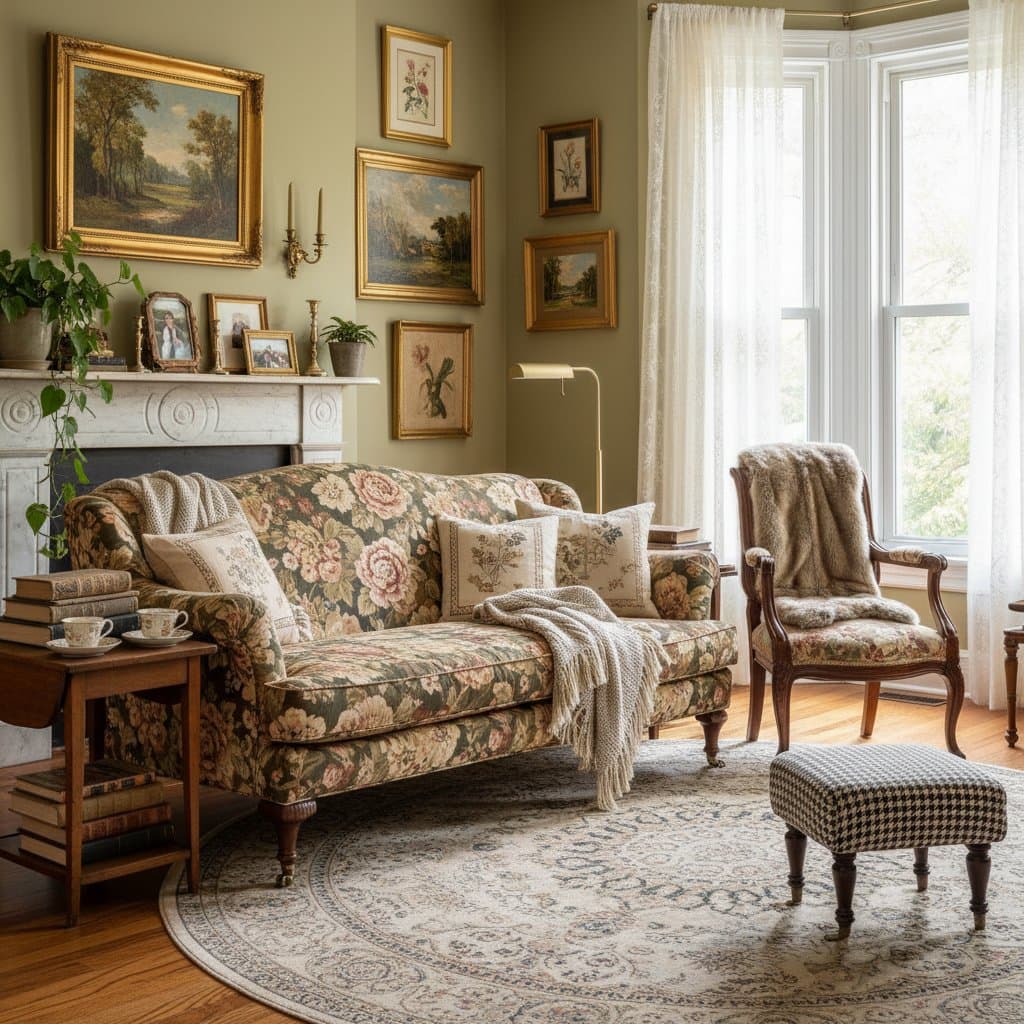
Gen Z’s Grandmillennial Revival: Victorian Charm Takes Center Stage
Lace curtains, floral wallpaper, and ornate furniture appear frequently in contemporary home decor feeds. These elements, once confined to older generations' spaces, now attract young homeowners and renters, particularly from Gen Z. This shift defines the grandmillennial design trend, which merges traditional aesthetics with modern priorities for comfort and individuality.
Individuals drawn to cozy patterns, vintage elements, and textured layers may find grandmillennial style ideal. The approach honors historical influences and creates inviting, personalized environments that avoid the starkness of minimalism. Achieving this look requires no expansive property or substantial funds; patience, ingenuity, and appreciation for classic forms suffice.
Why Grandmillennial Design Resonates with Gen Z
Minimalism dominated for years, yet many seek greater personalization. Empty walls and neutral palettes often evoke chilliness. Grandmillennial design reverses this by introducing vibrant hues, distinctive features, and nostalgic elements infused with playful self-expression.
Gen Z matured amid digital saturation, fleeting fashions, and perpetual flux. This generation now seeks stabilizing aesthetics. Vintage decor forges connections to history while accommodating unique touches, such as pairing thrifted discoveries with contemporary seating or blending heirloom dishware with streamlined fixtures for a curated, authentic feel.
The trend's versatility fuels its popularity. Full commitment involves floral wall coverings and period pieces, while gradual adoption uses accents and fabrics. Both methods enhance personal warmth and approachability in any setting.
Core Elements of Grandmillennial Style
Layering forms the foundation of grandmillennial design, combining motifs, materials, and periods for a harmonious yet innovative atmosphere. Key components shape this aesthetic:
- Pattern Integration: Incorporate florals, stripes, and chintz, ensuring cohesion through shared tones. Select a primary motif, then layer subtler ones to build dimension.
- Timeless Furnishings: Opt for sinuous forms, sculpted timber, and buttoned cushions to evoke Victorian grace. Balance a heritage armchair with a sleek console for equilibrium.
- Abundant Fabrics: Employ drapery, runners, and cushions to mellow hard surfaces. Seek embroidered or crocheted finishes for sentimental depth.
- Accent Pieces: Integrate ceramic sculptures, botanical illustrations in frames, and metallic fixtures. These additions foster a sense of accumulation and habitation.
- Gentle Illumination: Steer clear of stark ceiling fixtures. Employ shaded table lamps or wall-mounted lights to diffuse soothing radiance.
This philosophy promotes gradual acquisition via resale outlets, markets, or inherited goods, allowing organic development.
Incorporating Victorian Charm into Modern Spaces
Victorian allure suits diverse architectures. Thoughtful modifications introduce this essence anywhere. Follow these steps to initiate the transformation.
1. Select a Unified Color Scheme
Victorian motifs favor muted shades like ivory, rose, or verdant green, offset by deeper contrasts such as indigo or maroon. Choose two to three anchor colors and echo them across surfaces. This strategy maintains unity amid diverse prints.
2. Build Depth Through Texture
Textures render grandmillennial rooms enveloping. Overlay area rugs on timber flooring, fold throws across sofas, and install floor-length drapes. Such features enrich sensory comfort.
3. Harmonize Heritage and Contemporary
Antique acquisitions prove unnecessary. Source replicas or revitalize existing items with finishes and fittings. A salvaged cabinet fitted with metallic pulls achieves vintage-modern fusion.
4. Emphasize Fine Details
Nuances define the aesthetic. Incorporate fringed textiles, stitched pillows, or aged casings to alter ambiance swiftly. Custom fabrication offers further personalization for enthusiasts.
5. Integrate Meaningful Heirlooms
Relics like ancestral artifacts, displayed correspondence, or passed-down serveware impart genuineness. These selections narrate personal histories, elevating decor beyond ornamentation.
Advantages and Challenges of Grandmillennial Design
Design choices involve trade-offs. Consider benefits alongside demands before proceeding.
Advantages:
- Inviting Ambiance: Layers promote homeliness and accessibility.
- Unique Identity: Configurations vary, reflecting individual narratives.
- Eco-Conscious Practices: Reused and refurbished elements minimize environmental impact.
- Enduring Elegance: Classic motifs withstand temporal shifts.
Challenges:
- Potential Overload: Excessive motifs risk disarray.
- Upkeep Demands: Fabrics and objects require regular maintenance.
- Sourcing Difficulties: Genuine relics may prove scarce or costly.
- Integration Hurdles: Traditional forms demand adaptation for daily utility.
Moderation mitigates issues. Initiate modestly, curate possessions, and allocate breathing room to each element.
Achieving the Aesthetic on a Modest Budget
Grandmillennial sophistication demands no extravagance. Resourcefulness and strategic procurement yield comparable results.
Practical Strategies:
- Explore Resale Venues: Markets, consignment shops, and auctions yield treasures affordably.
- Undertake Handiwork: Gild a dated frame or upholster seating in botanical cloth.
- Blend Cost Levels: Couple a period bureau with an economical fixture.
- Cycle Decor Periodically: Refresh via rotation to sustain vitality without acquisitions.
Prioritize soft goods for economical impact. Window treatments, floor coverings, and bolsters overhaul spaces inexpensively versus structural changes.
Key Practicalities for Implementation
Align the style with daily realities and spatial constraints prior to commitment.
- Care Routines: Fabrics necessitate laundering. Select machine-safe materials to simplify tasks.
- Illumination Planning: Warmth relies on ambient sources. Install adjustable lamps over intense ceilings.
- Scale Adaptation: In compact areas, employ pale hues and sparse bulk to prevent constriction.
- Financial Planning: Allocations range from hundreds to thousands, varying by acquisitions and professional assistance.
- Timeline Patience: Sourcing demands deliberation. Allow periods to discover resonant items.
Renters should emphasize non-invasive elements like adhesive wall treatments or portable displays over fixed installations.
Victorian Elements in Contemporary Contexts
The trend's appeal lies in its compatibility with current habits. A floral-papered parlor with cushioned seating accommodates screens and automated controls seamlessly. The framework embraces progress, encasing it in soothing layers.
Sustainability enhances allure. Opting for pre-owned or restored furnishings diverts waste. Gen Z values this fusion of green practices and artisanal skill, favoring durable over disposable options.
Maintaining Balance to Prevent Excess
Clutter threatens the cozy intent. Subtle refinements preserve equilibrium.
- Restrict motifs to three per area: a bold bloom, linear accent, and delicate filler.
- Anchor with neutrals. Ivory or taupe backdrops highlight patterns without saturation.
- Incorporate voids. Bare shelving or unadorned panels offer visual respite.
- Eschew uniform groupings. Diverse forms convey organic authenticity.
Test reductions: Eliminate one piece and assess improved circulation. Refinement evolves iteratively.
Adapting Grandmillennial to Various Rooms
Tailor the style room by room for cohesive yet varied expression.
Living Area: Pair botanical upholstery with a clean-lined low table. Brass illuminators and motif rugs infuse coziness.
Sleeping Quarters: Install padded headboards, printed linens, and retro side units. Ambient glow fosters serenity.
Cooking Space: Showcase dishware or vessels on exposed racks. Frilled shades or seated accents add whimsy.
Washing Area: Employ heritage hardware, printed surrounds, and illustrative panels for retro poise.
Consistency in theme unites the residence while permitting personal flair.
Evolving Toward Maximalist Influences
Grandmillennial intersects with vintage maximalism, which revels in profusion. For bolder palettes and densities, maximalism amplifies without limits. Grandmillennial, however, tempers with tradition and poise; maximalism pursues unbridled opulence.
In maximalist pursuits, unify via shared palettes or tactile qualities. This sustains vibrancy minus chaos.
Cultivating Lasting Grandmillennial Spaces
Assembled rooms evoke solace, inspiring gatherings over infusions, lamplit leisure, or tranquil soirees amid refined particulars. Beyond aesthetics, the style crafts sanctuaries of respite.
Adapt as preferences shift: Exchange coverings, reposition visuals, or refine glows atop steadfast warmth. Such adaptability elevates the movement beyond ephemera, rooting it in veneration for artistry, comfort, and narrative depth.
Commence modestly with a nook, seat, or surface. Organic expansion follows, nurturing enduring allure.