
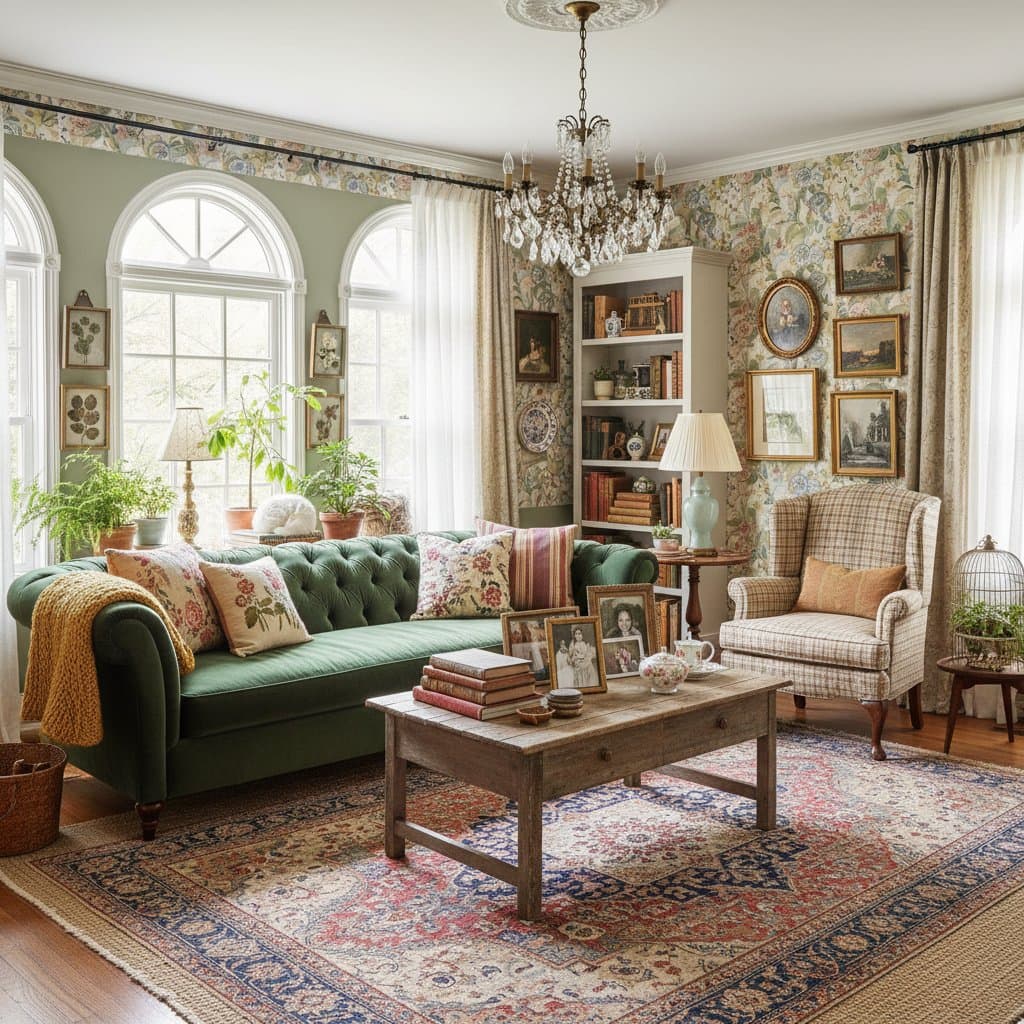
Grandmillennial Style: Gen Z's Embrace of Vintage Maximalism
Vintage furniture, floral wallpaper, and heirloom china have reemerged as design staples. Social media feeds now showcase cozy interiors brimming with color, pattern, and nostalgic elements, signaling the ascent of Grandmillennial style. Cherished by previous generations, this aesthetic undergoes reinvention by Gen Z, infused with bold expression. The result honors comfort, personal identity, and tradition while maintaining a fresh, unstuffy appeal.
The Appeal of Grandmillennial Style
Minimalist interiors often appear cold and artificially arranged. Grandmillennial design counters this with warmth, depth, and character. Individuals gain liberty to adorn spaces with cherished items, regardless of mismatches or emotional ties. The style seamlessly integrates vintage acquisitions with contemporary comforts, yielding environments that evoke authenticity and significance over sterility.
For Gen Z, Grandmillennial style serves as a vehicle for self-expression. It prioritizes artisanal quality and environmental responsibility, favoring existing items over new purchases. A secondhand lamp or family dresser integrates effortlessly, reducing expenses while infusing unique narrative.
Achieving the Aesthetic with Restraint
Incorporate Grandmillennial elements into a residence without evoking a preserved era. Balance remains essential. Classic motifs and opulent textures harmonize with streamlined, contemporary details. Consider these strategies to initiate the transformation.
-
Blend antique and modern furnishings. Pair a traditional oak dining table or ornate velvet armchair with minimalist steel hardware or a sculptural pendant light. Such juxtapositions preserve vitality and prevent datedness.
-
Layer motifs with intention. Merge floral chintz, geometric stripes, and subtle checks, anchored by a cohesive hue scheme to avert disorder. For a vividly patterned settee, select subdued motifs for throw cushions or drapery to maintain equilibrium.
-
Curate and display collections. Present porcelain saucers, leather-bound volumes, or vintage posters with deliberate arrangement. Cluster objects by tonal harmony or form for a curated appearance that enhances visual cohesion.
-
Incorporate ambient illumination. Table lamps with fabric shades or wall sconces with diffused bulbs foster the intimate radiance central to this aesthetic, softening edges and amplifying coziness.
-
Integrate botanical accents. Potted fiddle-leaf figs or trailing pothos invigorate traditional settings, counterbalancing dense textiles and aged timber with organic freshness.
-
Select durable textiles. Opt for linen or cotton blends in upholstery and bedding to withstand daily use while echoing heirloom fabrics like toile or damask.
Advantages and Drawbacks of Grandmillennial Design
Every interior approach presents benefits alongside potential hurdles. Grandmillennial style proves no exception.
Advantages:
- Radiates distinctive charm and warmth
- Proves economical through sourcing from resale markets
- Promotes sustainability by repurposing pre-owned goods
- Fosters welcoming atmospheres ideal for entertaining
Drawbacks:
- Risks appearing disordered without meticulous curation
- Requires skill to harmonize diverse patterns effectively
- Demands more maintenance for fabric-heavy or ornamented setups
Beginners should experiment incrementally. Dedicate a single area, such as a reading nook, to gauge tolerance for density before expanding.
Practical Budgeting and Timeline
Assemble Grandmillennial interiors gradually, avoiding wholesale overhauls. These insights address realistic expenditures and commitments:
- Resale venues and auctions: Dedicate several hours to scouting flea markets or online platforms like Etsy for one-of-a-kind items at fractions of retail prices, often under $100 for statement pieces.
- Fabric refreshes: Reupholstering a mid-century chair typically costs $200 to $400 and requires one to two days, far less than acquiring a comparable new equivalent.
- Hands-on enhancements: Restore brass hardware with polishing kits, distress wooden shelves for patina, or applique lace to plain linens; these projects utilize affordable supplies and yield professional results in an afternoon.
For refined outcomes, engage regional craftsmen. Specialists in reupholstery or bespoke millwork ensure longevity for investments like custom cabinetry, justifying fees of $500 or more for high-impact transformations.
Maintaining Functionality in Abundance
Grandmillennial design thrives on profusion yet demands structure for practicality. Employ woven bins, marble trays, or open shelving to assign places for accessories, preventing visual overload. Prioritize machine-washable upholstery in high-traffic zones, particularly with children or animals present. Reserve negative space on mantels or tabletops to allow patterns to breathe, thereby highlighting focal treasures.
Incorporate multifunctional elements, such as ottomans with storage compartments, to accommodate the style's layered nature without sacrificing utility. Regular dusting with soft brushes preserves delicate surfaces, ensuring the aesthetic endures seasons of enjoyment.
Crafting a Personalized Grandmillennial Haven
Grandmillennial style empowers decoration rooted in affection and history. Focus on elements that spark joy, then layer complementary pieces methodically. Sourced from local markets or familial legacies, these additions weave personal tales into the fabric of daily life. As the space evolves, its inherent invitation becomes evident, affirming the enduring allure of this vintage maximalist movement.