
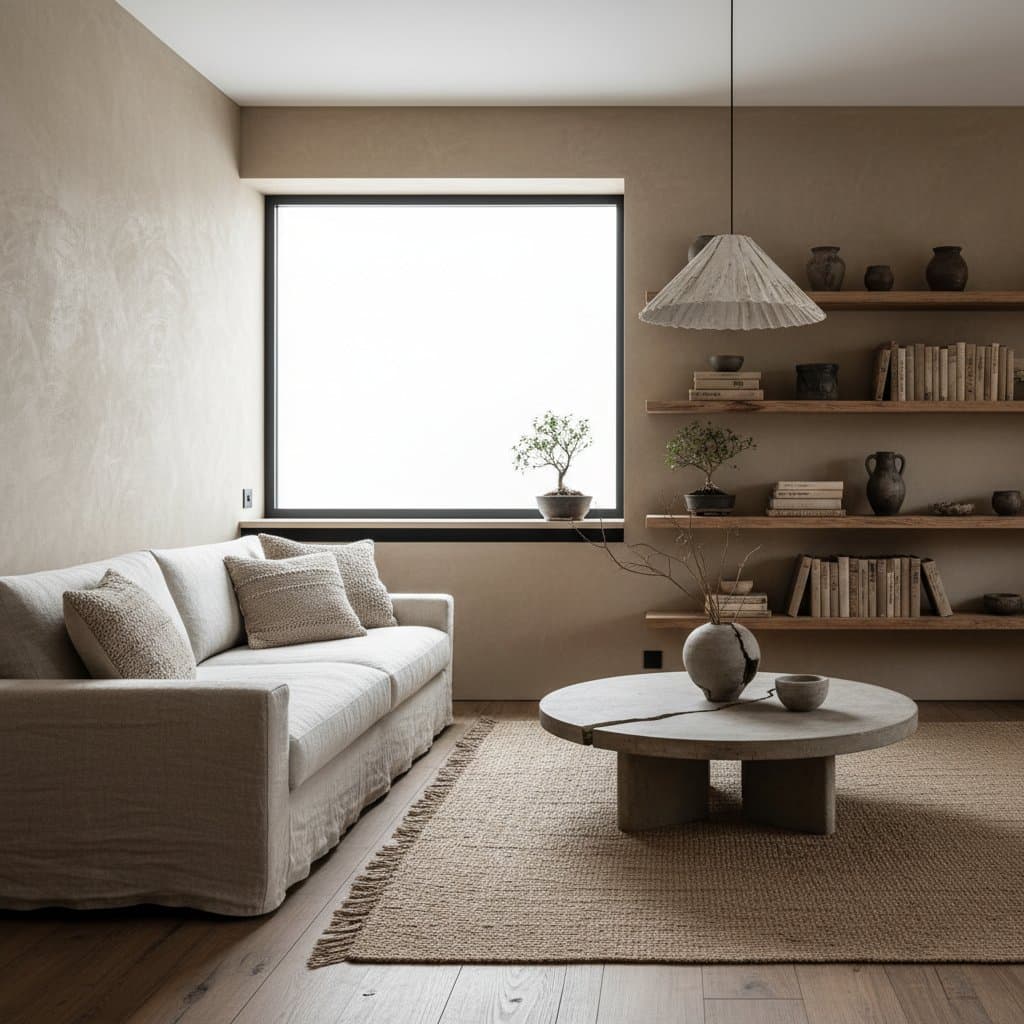
Wabi-Sabi Homes: Beauty in Imperfect Design
Spotless show homes often appear cold and devoid of life. In contrast, a home with uneven tiles, a scratched wooden table, or mismatched ceramics carries a subtle comfort. This essence defines wabi-sabi, a Japanese design philosophy that honors imperfection, impermanence, and authenticity.
Understanding the Wabi-Sabi Approach
Wabi-sabi differs from neglect or decay. It involves accepting the natural wear from daily life. In home design, this philosophy prioritizes materials that age gracefully and spaces that convey honesty over polish. A wabi-sabi home reveals its flaws deliberately, turning them into focal points.
This perspective reveals beauty in irregularity. Consider a faint crack in a ceramic bowl or the subtle patina on a brass faucet. Such features narrate stories of use and passage of time. They infuse warmth and comfort that surpass the uniformity of mass-produced items.
How to Bring Wabi-Sabi Into Your Home
Infusing wabi-sabi into your space requires no complete overhaul. Start with a shift in mindset and select a few deliberate elements. The following steps offer practical guidance:
-
Select natural materials. Opt for wood, stone, linen, or clay, which develop character as they age. Install reclaimed wood flooring in a living room or place a hand-thrown clay vase on a mantel for immediate impact.
-
Adopt a soft, grounded color palette. Rely on neutral tones like warm grays, beiges, muted greens, and earthy browns. These shades let textures and natural light dominate, creating a serene backdrop.
-
Prioritize craftsmanship over flawlessness. Seek handcrafted pieces that display minor variations, such as a slightly uneven hand-built cabinet or an irregular tile installation in a bathroom backsplash. These elements reflect human artistry.
-
Simplify the environment. Maintain an uncluttered yet inviting interior. Retain only items that serve a purpose or hold personal significance. Allow negative space to emphasize cherished objects.
-
Embrace visible signs of aging. Preserve wood grain, metal tarnish, or fabric fade where safe. For instance, leave a vintage oak dresser untouched rather than refinishing it, adding layers of history to the room.
Practical Considerations for Homeowners
Budget implications. Wabi-sabi often proves economical. Reuse or restore existing materials to cut costs. Refinishing a wooden table might cost $100 to $300, compared to $600 or more for a new one. Invest in durable, aging-friendly options to avoid frequent replacements driven by trends.
Project timelines. Quick changes like decluttering shelves or rearranging furniture fit into a single weekend. More involved tasks, such as installing reclaimed wood panels or applying handmade plaster finishes, span two to four weeks, factoring in sourcing materials and hiring help if needed.
Required skills. Numerous wabi-sabi enhancements suit DIY enthusiasts. Tasks like sanding and oiling wood surfaces, applying limewash paint to walls, or arranging items on open shelving demand basic tools and patience. Consult licensed experts for structural modifications, plumbing adjustments, or electrical updates to meet safety standards and building codes.
Safety and upkeep. Steer clear of hazardous damaged items. Use cracked ceramics for display only, not for serving food. Regularly dust surfaces and apply protective sealants to natural materials to guard against moisture and wear.
Living with Imperfect Beauty
Viewing your home through wabi-sabi reveals the futility of perfection. Scratches, dents, and faded areas transform into testaments to lived experiences and meaningful moments. Such a home promotes tranquility by welcoming inevitable change. It evolves organically, mirroring personal history rather than adhering to rigid aesthetics.
Start Your Wabi-Sabi Transformation
Begin incorporating wabi-sabi by focusing on one area, such as a bedroom or entryway. Introduce natural finishes like linen curtains or stone accents, and integrate handmade or vintage items that resonate personally. As the space matures through daily use, it gains a distinctive, understated allure. Ultimately, this approach yields a residence that feels profoundly individual, sincere, and inviting each day.