
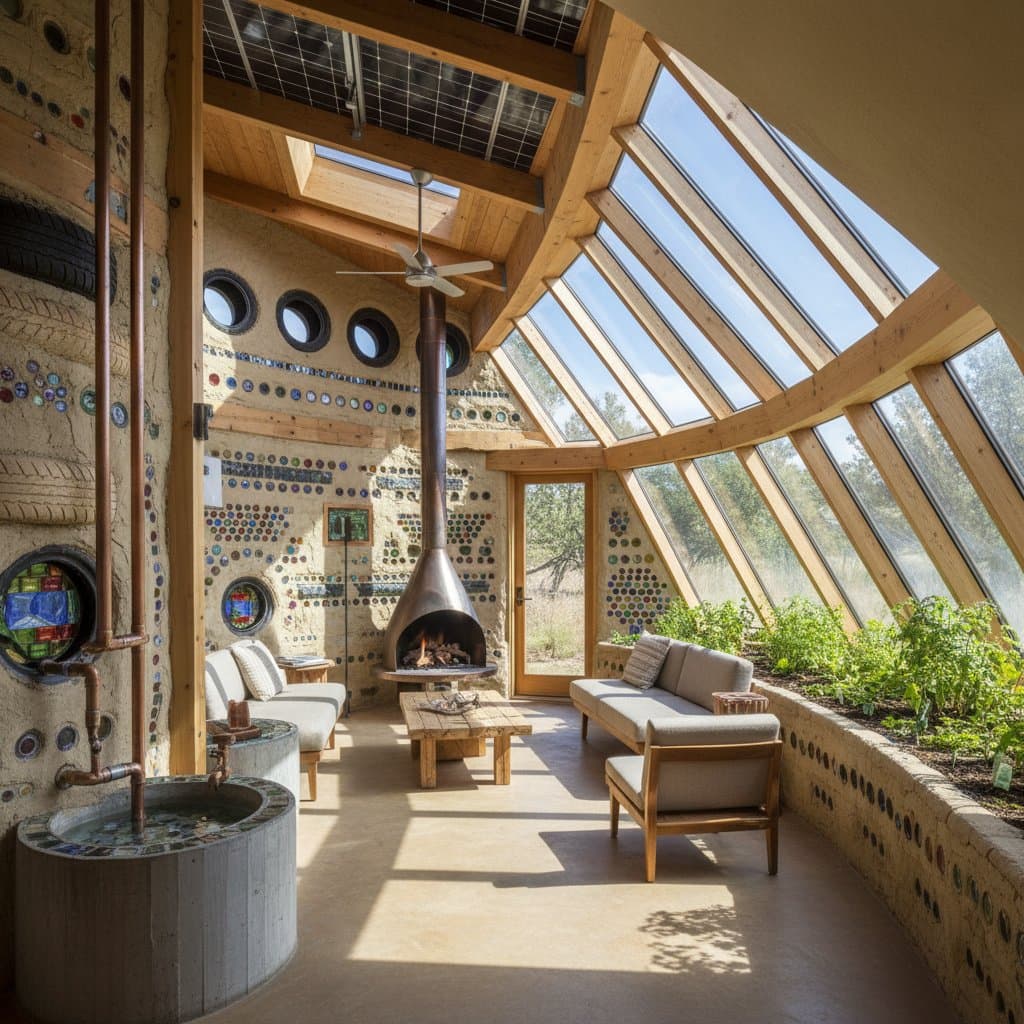
Earthships: Waste-Built Homes for Off-Grid Living
Imagine a home deeply connected to nature, one that maintains comfortable temperatures year-round without reliance on mechanical systems. Walls constructed from used tires, glass bottles, and aluminum cans provide both strength and insulation against extreme weather. Earthships embody this concept, converting everyday waste into durable, eco-friendly dwellings. These structures challenge conventional housing by promoting self-reliance and environmental stewardship.
The Appeal of Off-Grid Living
Off-grid living attracts individuals seeking autonomy and alignment with natural rhythms. Residents often envision mornings illuminated by sunlight passing through colorful bottle walls or fresh produce gathered from integrated gardens. Self-sufficiency demands solutions for energy, water, and waste management independent of public utilities. Earthships integrate innovative engineering with ecological principles to address these challenges effectively.
Defining an Earthship
An Earthship represents a passive solar dwelling constructed mainly from recycled and natural resources. The base consists of tires packed with rammed earth, forming thick walls that store daytime heat and release it gradually overnight. Bottle and can composites add vibrant illumination and structural reinforcement. Roofs channel rainwater into filtration systems for potable use, while solar arrays and small wind generators supply electricity. Interior greenhouses utilize recycled wastewater to cultivate edibles, enhancing air quality in the process.
Each component fulfills dual roles within the design. Walls serve as both load-bearing elements and climate regulators. Roofs function as protective covers and water collectors. Greenhouses contribute beauty while processing water and yielding food. This holistic approach positions the Earthship as a dynamic ecosystem rather than a mere shelter.
Constructing with Recycled Materials
Earthship construction starts with sourcing abundant waste items. Tires, filled and compacted with soil, form the primary framework, offering mass for thermal stability. Bottles embedded in mortar create translucent partitions that diffuse natural light. Cans, crushed and integrated into walls, minimize resource consumption while bolstering integrity. Although the assembly requires significant effort, the outcome yields a residence rooted in sustainability.
- Site Preparation and Walls: Select a south-facing plot for optimal solar gain, then stack earth-filled tires in a U-shaped configuration to capture winter sun.
- Thermal Regulation: Leverage the walls' mass to maintain steady indoor climates, often eliminating the need for supplemental heating or cooling.
- Water Management: Install sloped roofs with gutters to harvest rain, passing it through cisterns, sedimentation tanks, and UV filters for household use; subsequent gray water nourishes plants.
- Power Generation: Mount photovoltaic panels on the roof, connected to deep-cycle batteries and inverters, to power lights, appliances, and tools reliably.
- Food Production: Design south-facing greenhouse extensions with planters that recycle water, supporting year-round growth of vegetables, herbs, and fruits.
These interconnected systems establish a regenerative cycle, where outputs from one area fuel the next, fostering long-term viability.
Key Considerations for Construction
Prospective builders must evaluate several factors to ensure success. Choose sites with ample sunlight exposure and reliable precipitation to support water and energy systems. Research local regulations, as alternative materials may require variances or engineering approvals. Budgets fluctuate based on scale and region, yet owner-built projects often prove economical through material savings and volunteer labor.
Engage certified Earthship architects early to adapt designs to specific climates and soils. Initial costs cover tools like pneumatic tampers for tire packing and basic plumbing kits. Long-term upkeep involves quarterly inspections of filtration media, battery health, and greenhouse irrigation to prevent issues.
Experiences in Earthship Residency
Daily life in an Earthship follows patterns dictated by environmental cues. Sunlight dictates energy availability, prompting mindful usage of lights and devices. Water conservation becomes intuitive as residents track collection volumes and reuse cycles. Garden maintenance integrates into routines, providing fresh meals and a sense of accomplishment.
Owners frequently report heightened environmental awareness and reduced stress. The home evolves with its inhabitants, adapting through minor modifications like expanded solar capacity. This symbiotic relationship cultivates a profound appreciation for resource cycles.
Steps to Launch Your Earthship Project
Begin by assessing your land and skills through site visits and basic solar calculations using online tools. Assemble a team via community forums or workshops focused on sustainable building. Source tires from local dumps, bottles from recycling centers, and cans from beverage distributors to keep expenses low.
Post your Earthship plans on doricsouth.com at no cost to connect with qualified professionals in off-grid construction. These experts assist with material procurement, code navigation, and phased builds. Embrace the journey toward a residence that embodies resilience, conserves the planet, and enriches your lifestyle.