
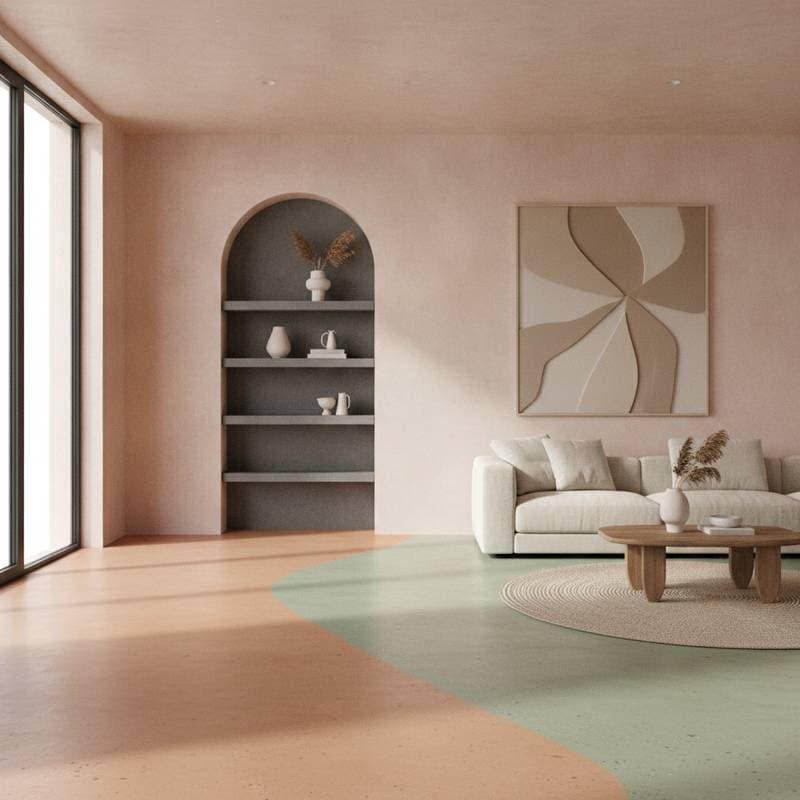
Colored Cement Transforms Interiors with Lasting Color
Colored cement brings tone and texture straight into structural surfaces. Floors and walls gain depth that paint cannot match because the hue forms part of the material itself. This approach suits homeowners who want durable color without frequent refinishing.
The Appeal of Integrated Color
Pigmented concrete mixes mineral or oxide powders into the batch before placement. The result stays consistent even after years of foot traffic or cleaning. Designers value this stability when they need surfaces that age gracefully rather than show wear.
Homeowners often choose colored cement after seeing plain concrete lose its appeal. The material offers a middle path between stark industrial looks and high-maintenance finishes such as tile or hardwood.
Practical Advantages
Color mixed throughout the slab resists chipping and fading. A penetrating sealer applied after curing protects against moisture and stains. Many pigment options come from natural mineral sources, which supports longer material life and fewer replacements.
Contractors can adjust pigment ratios to produce soft pastels or saturated tones. This flexibility lets one material serve as flooring, countertops, or wall finishes while matching an existing palette.
How Pigments Are Added
Powder pigments enter the mixer with cement, aggregates, and water. Iron oxides supply reds, browns, and yellows. Chromium oxide yields greens, and cobalt produces blues. Titanium dioxide brightens whites or lightens other shades.
Test batches poured on site confirm the final tone under actual lighting conditions. Small adjustments at this stage prevent costly mismatches later.
Typical Residential Applications
Polished floors in warm terracotta or cool gray-green tones replace both carpet and stone in living areas. Countertops receive custom blends that include subtle veiningpigment variation during placement.
Walls finished with pigmented cement plaster gain texture and color in one step. Outdoor patios and walkways accept stamping or texturing that mimics natural stone while resisting weather.
Choosing Suitable Tones
Warm ochres and siennas suit kitchens and gathering spaces that receive steady use. Cooler slate or mist grays calm bedrooms and bathrooms. South-facing rooms often benefit from slightly deeper tones that offset bright daylight.
Texture choice affects appearance as well. Smooth troweled surfaces emphasize uniform color, while lightly broomed finishes introduce gentle shadow lines.
Installation Sequence
Projects begin with color samples viewed on site. Precise pigment measurements follow, then placement by experienced crews. After initial set, surfaces cure for several days before sealing.
Proper curing prevents surface cracking that could affect color uniformity. Final sealing occurs only after moisture levels drop to acceptable limits.
Cost Factors
Integral color adds a modest premium over plain concrete. Custom blends or multiple polishing steps increase the total, yet the finished surface often costs less than imported stone or specialty tile. Labor for stamping or texturing represents the largest variable.
Quality and Safety Practices
Licensed contractors follow local codes for structural slabs and ventilation during mixing. Protective equipment guards against dust from pigments and cement. Reviewing completed projects helps confirm consistent color and finish quality.
Environmental Considerations
Long service life reduces replacement cycles. Lighter pigments reflect solar heat in warm climates, which can lower cooling loads. Some producers incorporate recycled aggregates without changing appearance.
Design Examples
A coastal residence used pale sand floors that echo adjacent beaches. An urban loft featured graphite walls that shift tone with changing light angles. Both projects relied on the same base material for continuity between rooms.
Routine Care
Neutral cleaners preserve the sealer. Reapplication every two to four years maintains protection. Prompt removal of acidic spills prevents etching on countertops. Abrasive pads are avoided to keep surface texture intact.
Daily Experience
Morning light reveals warm undertones while evening shadows emphasize texture. The surface temperature stays moderate compared with stone, and the color remains steady across seasons.