
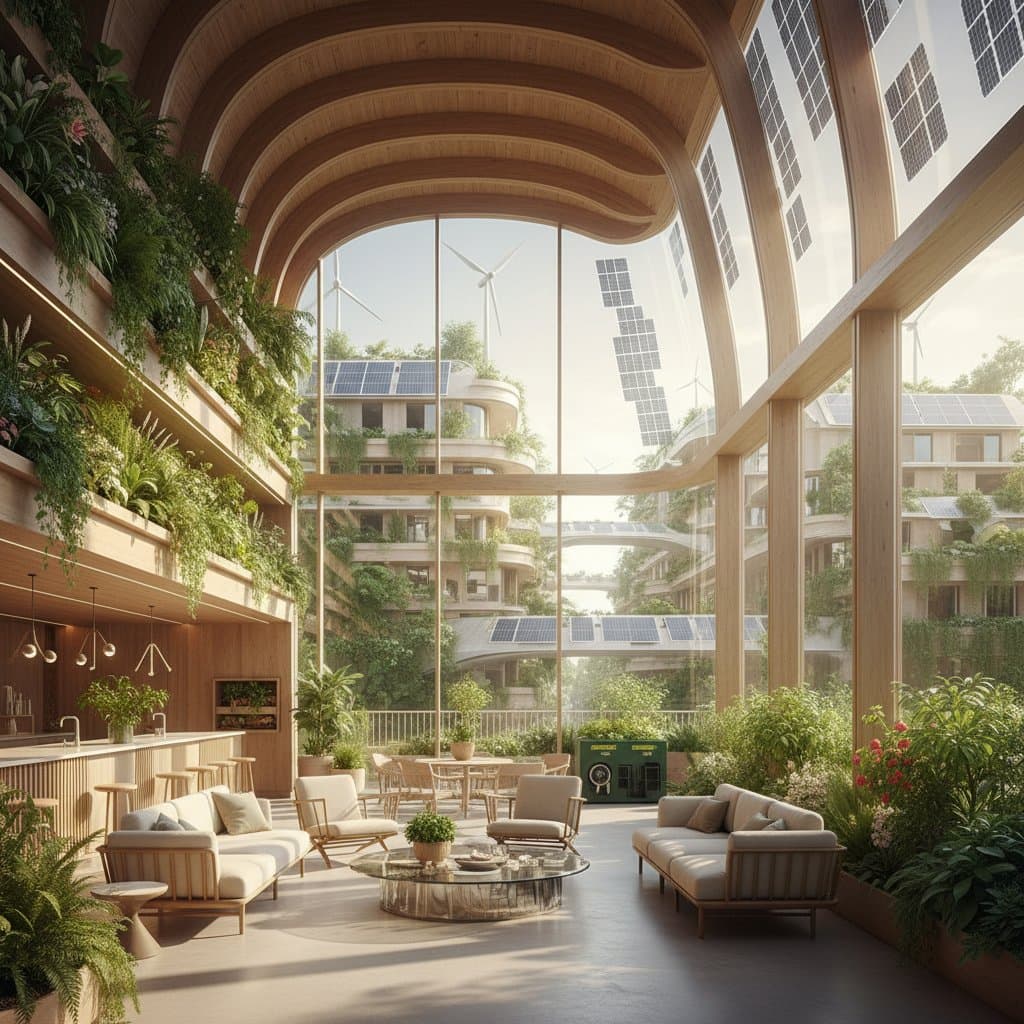
The Growing Appeal of Solarpunk's Green Utopias
Envision a neighborhood where rooftops shimmer under solar panels, balconies overflow with thriving gardens, and public areas merge fluidly with surrounding landscapes. This scene resembles a passage from science fiction, but it carries a distinct name and an expanding community of adherents. Known as solarpunk, this approach reshapes perspectives on architecture, community dynamics, and environmental sustainability.
Envisioning a Hopeful Tomorrow
Public fatigue with dystopian forecasts intensifies amid escalating energy prices, ecological challenges, and the pressures of dense city living. Such conditions render visions of equilibrium and positivity increasingly attractive. Solarpunk delivers this optimism via thoughtful design and feasible advancements, picturing locales energized by renewables, constructed from regional resources, and molded through collective input rather than rivalry.
Solarpunk transcends mere visual trends, permeating beyond artistic and literary realms. It emerges as a tangible design ethos that guides architectural practices, urban development, and interior layouts. Participants engage in crafting environments that radiate beauty, durability, and independence.
Distinct Elements of Solarpunk Design
Solarpunk architecture builds upon established green construction methods while incorporating an inventive, people-focused perspective. Consider an urban block where structures collectively utilize solar installations, harvested rainwater channels into ornamental reservoirs, and communal zones serve dual purposes as edible landscapes. The focus extends past mere operational effectiveness to encompass psychological comfort.
Essential components frequently encompass:
- Renewable Energy Systems: Photovoltaic arrays, compact wind generators, and passive solar techniques diminish reliance on non-renewable sources.
- Biophilic Building Practices: Vertical greenery, elevated planting areas, and natural airflow mechanisms maintain thermal balance and enhance air quality.
- Collaborative Community Hubs: Joint cultivation plots, maintenance ateliers, and organic waste processing sites promote mutual support.
- Sustainably Sourced Materials: Artisans incorporate salvaged timber, repurposed alloys, and locally quarried rock to minimize ecological footprints.
This approach yields constructed spaces that pulse with vitality and harmony, far from impersonal or automated sterility. For instance, in projects like the eco-villages of Auroville, India, these principles manifest in self-reliant habitats that integrate traditional craftsmanship with modern renewables, fostering resilience against climate variability.
Actionable Steps for Homeowners
Solarpunk ideals, though aspirational, lend themselves to grounded implementation. Homeowners might initiate with modest enhancements that yield measurable benefits.
- Adopt Solar Power: A standard residential setup ranges from $15,000 to $25,000 in upfront investment, yet it generates savings exceeding $1,000 annually through reduced bills and potential energy sales back to the grid.
- Incorporate Plant Life: Wall-mounted planters or vegetative roofing layers boost thermal efficiency by up to 30 percent and manage stormwater runoff effectively.
- Select Eco-Friendly Finishes: Options such as rapidly renewable bamboo for floors, upcycled ceramics for surfaces, and paints free of volatile organic compounds promote superior indoor air quality.
- Implement Water Harvesting: Basic barrel collections start at $200, easing municipal supply burdens and supporting garden irrigation during dry spells.
For ambitious endeavors, like embedding comprehensive renewable grids or installing load-bearing green roofs, professional expertise proves indispensable. Such work adheres to regional regulations and often demands official approvals. Qualified specialists assist in accessing financial incentives, including federal tax credits that can cover 30 percent of qualified expenses, thereby accelerating return on investment.
The Magnetism of Solarpunk Principles
Interest in solarpunk surges from a blend of utility and forward-looking zeal. Individuals seek residences that optimize resource use, yet they also yearn for interpersonal bonds and meaningful engagement. Solarpunk unites these desires by rendering ecological stewardship concrete and motivational, illustrating that green living can evoke warmth, ingenuity, and individuality.
Locales embracing these tenets frequently experience fortified social networks and diminished operational expenses. Data from sustainable communities, such as those in Portland's eco-districts, reveal utility reductions of 20 to 40 percent alongside heightened resident satisfaction. These outcomes affirm the compatibility of planetary care with everyday ease.
Applying Solarpunk in Everyday Spaces
Embracing solarpunk does not require overhauling one's dwelling. Begin modestly, perhaps by planting indigenous species or establishing a neighborhood resource exchange. These incremental decisions propagate outward, steering the evolution of broader areas. In renovation planning or spatial reevaluation, solarpunk provides a blueprint for existence that harmonizes endurance with profound humanity.