
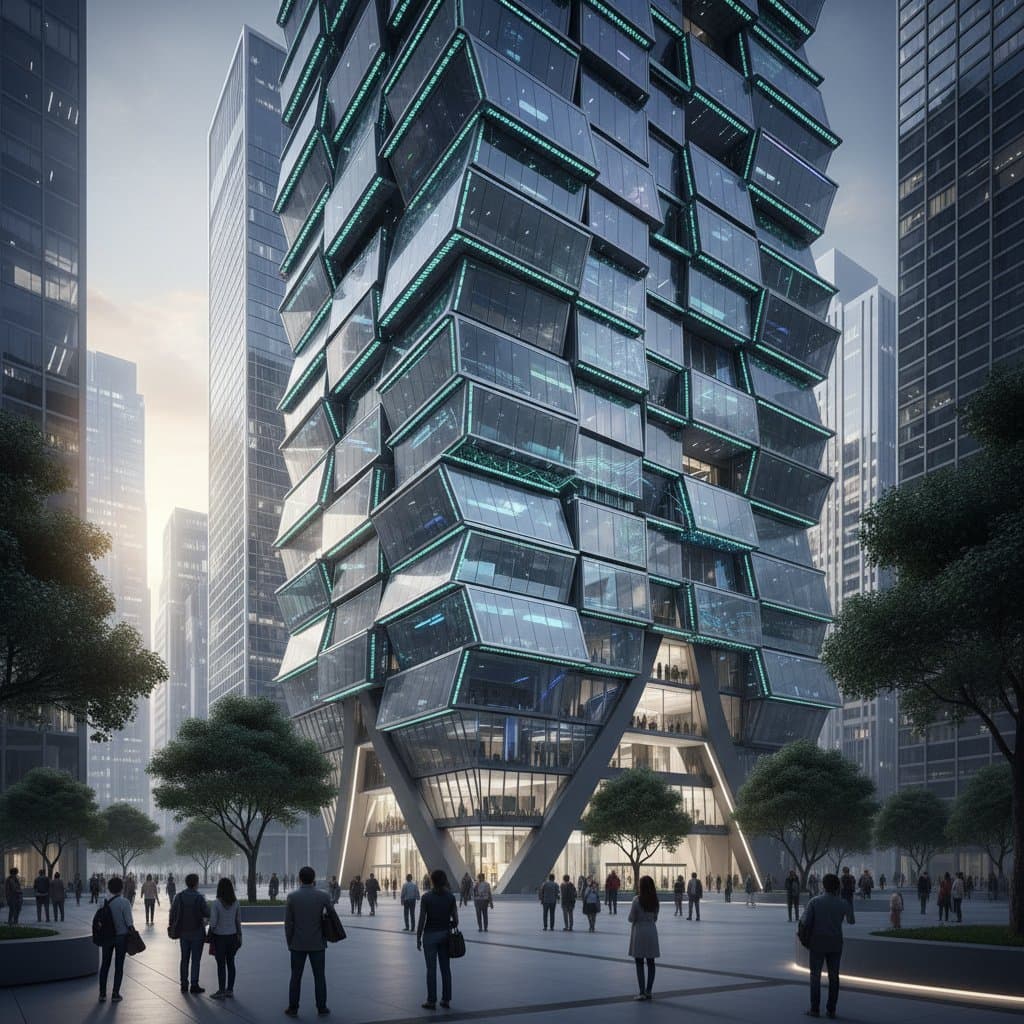
Why Parametric Facades Adapt While Static Exteriors Fail
Static building exteriors dominate traditional architecture, yet they often fall short in responding to dynamic environmental demands. Parametric facades, powered by advanced algorithms and responsive materials, offer a superior alternative by adapting in real time to weather, occupancy, and energy needs. This shift not only enhances building performance but also redefines aesthetic possibilities in modern design.
Understanding Parametric Facades
Parametric facades represent a computational approach to building envelopes, where design parameters drive the form and function of exterior elements. Architects use software to model complex geometries that respond to inputs like sunlight angles, wind patterns, and temperature fluctuations. Unlike rigid static designs, these facades incorporate movable panels, smart glass, or shape-shifting materials that adjust automatically.
The core principle involves parametric modeling, which allows for iterative design based on multiple variables. For instance, a facade might feature louvers that tilt to block excessive solar gain during peak hours, reducing indoor cooling loads. This adaptability stems from integrating sensors and actuators, creating a living skin for the building.
The Limitations of Static Exteriors
Static facades, characterized by fixed materials like brick, glass, or concrete, provide durability but lack flexibility. They cannot optimize for varying conditions, leading to energy inefficiencies such as overheating in summer or heat loss in winter. Over time, these shortcomings result in higher operational costs and reduced occupant comfort.
Consider a conventional office tower with unchanging windows: direct sunlight floods interiors without mitigation, forcing reliance on mechanical systems for climate control. Maintenance challenges arise too, as static elements degrade uniformly without targeted repairs. In an era of climate variability, such rigidity exposes buildings to risks like extreme weather damage.
How Parametric Designs Drive Adaptation
Parametric facades excel through integration of technology and materials science. Embedded sensors collect data on environmental factors, feeding information into control systems that adjust the facade dynamically. Electrochromic glass, for example, darkens in response to light intensity, maintaining consistent interior illumination without blinds.
Advanced materials like shape-memory alloys enable panels to morph under thermal stimuli, opening vents during hot days to promote natural ventilation. Algorithms optimize these movements, balancing energy use with structural integrity. The result is a facade that evolves, much like a biological organism responding to its surroundings.
Key Benefits for Efficiency and Sustainability
One primary advantage lies in energy optimization. Parametric facades can reduce heating and cooling demands by up to 30 percent, according to design simulations, by precisely managing solar exposure and airflow. This efficiency translates to lower utility bills and a smaller carbon footprint, aligning with global sustainability goals.
Material savings follow suit, as parametric designs minimize waste through precise fabrication techniques like 3D printing or CNC milling. Buildings achieve higher certifications in green standards, appealing to eco-conscious developers. Beyond functionality, the visual appeal captivates, with undulating forms that turn structures into landmarks.
Occupant well-being improves as well. Adaptive shading prevents glare and maintains thermal comfort, boosting productivity in workspaces. In residential settings, these facades enhance privacy by adjusting opacity, fostering a sense of security without sacrificing natural light.
Comparing Parametric and Static Approaches
To illustrate the divide, examine performance metrics. A static facade might require constant HVAC operation, consuming substantial energy year-round. Parametric systems, conversely, leverage passive strategies, activating only when necessary and integrating renewable sources like solar panels on adjustable surfaces.
Cost analysis reveals long-term gains for parametric options. Initial investments cover sophisticated engineering, yet payback periods shorten through energy rebates and reduced maintenance. Static designs, while cheaper upfront, accrue expenses from inefficiencies and retrofits to meet evolving regulations.
Aesthetic flexibility further sets parametric facades apart. Static exteriors adhere to uniform patterns, limiting creative expression. Parametric ones allow for bespoke designs that harmonize with site-specific contexts, from urban high-rises to coastal resorts.
Implementing Parametric Facades: Practical Steps
Adopting parametric designs begins with site assessment. Evaluate local climate data, building orientation, and usage patterns to define key parameters. Collaborate with specialists in computational design to model prototypes using tools like Grasshopper or Dynamo.
Next, select responsive technologies suited to the project scale. For mid-sized buildings, kinetic panels offer cost-effective adaptation; larger structures benefit from full-building simulations. Prototype testing ensures reliability, simulating real-world conditions before full installation.
Budget allocation should prioritize scalable elements, starting with high-impact areas like south-facing elevations. Engage contractors experienced in digital fabrication to streamline construction. Post-installation, monitor performance via integrated analytics to refine operations over time.
Overcoming Implementation Challenges
Complexity in design and construction poses hurdles, requiring interdisciplinary teams of architects, engineers, and programmers. Upfront costs can deter smaller projects, though modular systems now make parametric features more accessible. Solutions include phased rollouts and partnerships with tech providers for shared expertise.
Durability concerns arise with moving parts, but advancements in weather-resistant materials mitigate wear. Regular software updates keep systems current, addressing potential obsolescence. Education for building managers ensures smooth operation, turning initial skepticism into advocacy.
The Future of Adaptive Architecture
As 2026 approaches, parametric facades signal a paradigm shift toward intelligent buildings. They not only adapt to current needs but anticipate future demands, from rising temperatures to urban density. Developers who embrace this technology position their projects as leaders in resilient, innovative design.
The transition from static to parametric exteriors promises transformative outcomes: enhanced efficiency, enduring sustainability, and architectural excellence. Buildings become active participants in their environments, delivering value that static designs simply cannot match.