
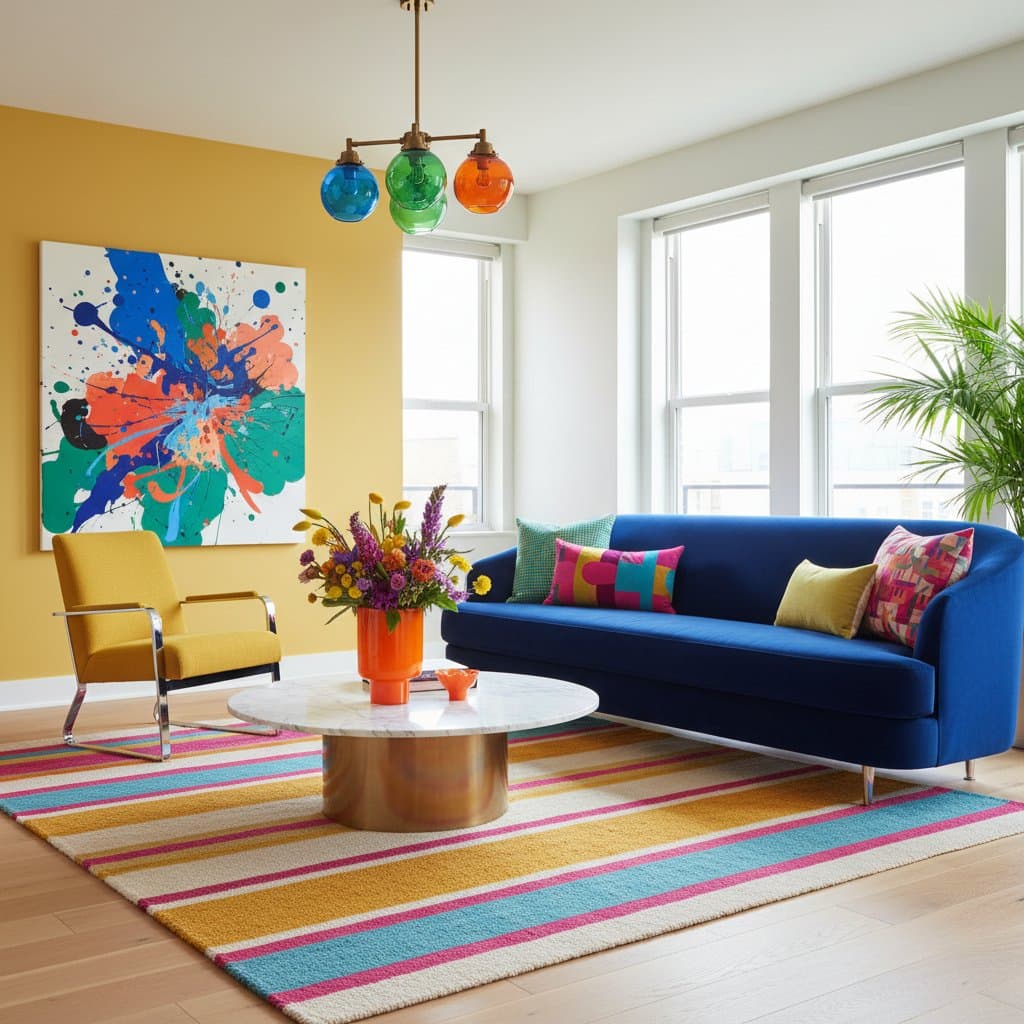
Dopamine Colors: Reshaping Homes for Joy
Imagine entering your kitchen to find coral accents on the island, mint-green cabinets, and a sunny yellow backsplash replacing the standard gray and white palette. The atmosphere shifts immediately, becoming brighter and more invigorating. This transformation stems from dopamine decor, a design movement that leverages colors to evoke positive emotions and enhance daily living.
Homeowners increasingly move beyond muted minimalist interiors toward environments that ignite feelings of joy and vitality. The focus lies in achieving emotional resonance rather than flawless organization. Designers draw on color psychology to craft spaces that energize, calm, or nurture based on intentional hue selections.
Understanding Dopamine Decor in Home Design
Dopamine decor emphasizes selections of colors, textures, and arrangements that stimulate positive brain responses. The concept derives from dopamine, the neurotransmitter associated with pleasure and reward. In interior applications, this translates to environments that foster contentment and vitality alongside functionality.
Implementation requires thoughtful balance rather than drastic overhauls. A neutral foundation paired with strategic bold accents delivers uplifting results without sensory overload. Success hinges on grasping the emotional impacts of specific colors to align them with room purposes.
The Science of Color and Emotional Response
Color psychology rests on established principles of human perception and emotional reaction to visual stimuli. Research shows that certain hues directly influence physiological responses, such as heart rate and mood elevation. Designers apply these insights to select palettes that support well-being in residential settings.
Key dopamine-inspired colors include the following, each with targeted applications:
- Yellow conveys warmth and optimism, ideal for kitchens, entryways, and creative studios where it stimulates appetite and mental clarity.
- Blue fosters tranquility and concentration, making it suitable for bedrooms, bathrooms, and home offices to promote restful sleep and productive focus.
- Green symbolizes harmony and rejuvenation, enhancing living rooms and dining areas to encourage relaxation during social gatherings.
- Pink or Coral infuses playfulness and innovation, perfect for family rooms or children's spaces to spark imagination and lighthearted interactions.
- Red energizes and facilitates dialogue, effective in moderated use such as accent walls or accessories in dining or entertainment zones.
Implementing Dopamine Colors Effectively
Begin transformations with modest changes to build familiarity with color dynamics. Identify rooms needing mood enhancement and select hues that match their primary functions.
Select a Primary Zone
Target one area, like the living room for social energy or the bedroom for serene retreats. Assess natural light levels, as they alter color perceptions throughout the day. This step ensures the chosen palette harmonizes with existing architecture and furniture.
Experiment with Removable Elements
Incorporate throw pillows, area rugs, or wall art to preview combinations. Observe how these interact with ambient lighting at different times. Such trials minimize risk and allow adjustments before permanent commitments.
Apply Paint with Precision
A single accent wall requires approximately 50 to 100 dollars in supplies and completes in a weekend. Full-room applications range from 200 to 600 dollars, varying by dimensions and premium paint choices. Opt for low-VOC formulas to maintain indoor air quality during the process.
Integrate Neutrals for Stability
Combine vibrant tones with crisp whites, warm beiges, or subtle grays to avoid overstimulation. This layering sustains brightness while providing visual anchors. Test samples in situ to confirm compatibility under your home's lighting conditions.
Incorporate Diverse Textures and Motifs
Extend the theme beyond walls with plush velvet pillows, geometric-patterned drapes, or hand-painted ceramics. These elements add tactile interest and reinforce the color narrative. Source items from local artisans or sustainable suppliers for added personalization.
Budget, Duration, and Required Expertise
Dopamine refreshes accommodate various financial plans and timelines:
- Self-Directed Projects: Budget 200 to 800 dollars for paints, accents, and minor furnishings; complete in one to two weekends.
- Expert-Led Overhauls: Allocate 2,000 to 5,000 dollars for comprehensive schemes involving finishes, illumination, and custom pieces; spans several weeks.
- Competency Needs: Basic skills suffice for painting and accessorizing; consult professionals for intricate schemes or structural integrations.
Preparation proves crucial, as vivid colors amplify surface flaws. Apply primer over dark bases for even coverage, ensure ventilation, and use masks during prep work like sanding.
Sustained Benefits and Emotional Impact
Vibrant interiors extend the enjoyment of living spaces over time. Residents frequently note increased motivation and reduced anxiety following such updates. Although market appeal varies by region, tasteful implementations enhance perceived warmth during property viewings.
The rewards manifest quickly, turning routine areas into sources of delight. A vibrant entryway or animated workspace elevates mundane activities. Ultimately, these designs cultivate homes that mirror individual identities and nurture ongoing emotional health.
Cultivating Personal Joy Through Color
Initiate with a single space and a hue that consistently uplifts your spirit. Consider a teal feature wall or vivid upholstery on key furniture pieces. This intentional approach to dopamine decor yields environments rich in vitality, authenticity, and enduring comfort.