
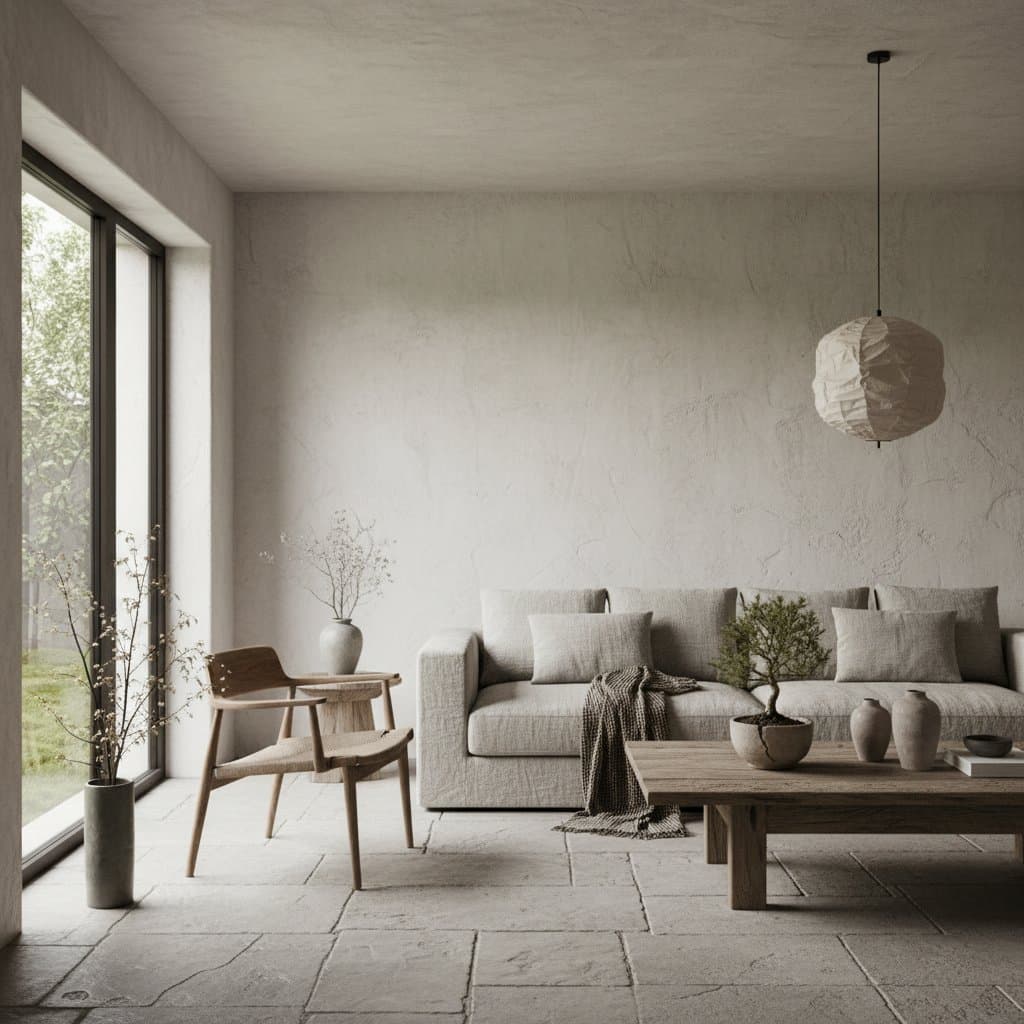
Wabi-Sabi: Embracing Imperfect Beauty in 2026 Interiors
Trending in 2026: Wabi-Sabi Imperfect Interior Design
Consider a home that radiates calm despite visible signs of use, such as a hand-thrown mug on a weathered wooden table or a linen curtain that drapes unevenly yet catches the light beautifully. This subtle beauty in imperfection defines Wabi-Sabi interior design, a style that resonates with homeowners seeking authenticity over flawlessness. As preferences shift toward genuine comfort, Wabi-Sabi emerges as a compelling alternative to polished, trend-driven aesthetics.
Wabi-Sabi prioritizes materials, finishes, and objects that reveal age, texture, and craftsmanship. Homeowners increasingly value spaces that foster relaxation and sincerity, making this philosophy a natural fit for modern living.
Understanding Wabi-Sabi Design
Wabi-Sabi draws from Japanese philosophy, emphasizing simplicity, imperfection, and the natural process of aging. In interior applications, it directs attention to elements that convey reality rather than artificial perfection, such as a scuffed oak floor or an unpolished brass faucet. The approach honors the narrative embedded in each material, transforming subtle imperfections into sources of character.
Rather than concealing wear, Wabi-Sabi integrates it as a testament to enduring beauty. This mindset encourages spaces that evolve with time, promoting a deeper connection to the environment.
Core Principles
- Natural Materials – Select wood, stone, clay, linen, and wool, as these develop patina and character through use.
- Handmade Elements – Incorporate pottery, woven baskets, or hand-planed furniture to infuse warmth and human artistry.
- Muted Tones – Employ soft neutrals like sand, taupe, charcoal, and off-white to provide a serene base that accentuates texture.
- Simplicity – Use fewer items with ample negative space to allow the eye to rest and the design to breathe.
- Patina and Wear – Permit surfaces to exhibit gentle signs of use, avoiding frequent refinishing to preserve authenticity.
Why Homeowners Are Drawn to It
Homeowners often grow weary of spaces demanding relentless maintenance to appear pristine. Wabi-Sabi redirects focus from correction to appreciation of lived-in qualities, appealing to those who prioritize emotional comfort alongside visual appeal. This style aligns with a desire for homes that support well-being without constant intervention.
Sustainability plays a key role in its popularity. Reusing furniture, opting for repairs over replacements, and selecting durable natural materials minimize environmental impact and long-term expenses. Initial investments in quality pieces yield spaces that endure with minimal upkeep.
Getting Started: Key Areas to Focus On
Introduce Wabi-Sabi gradually by targeting areas where texture and natural elements can stand out. Begin with high-impact changes that require modest effort, building toward a cohesive aesthetic.
1. Walls and Finishes
Opt for limewash or plaster over smooth, glossy paint to introduce organic variation. These options range from $3 to $8 per square foot, factoring in materials and professional application. For painted surfaces, select matte finishes in earthy, subdued hues to enhance the tactile quality.
2. Flooring
Choose wood or stone for their inherent warmth and aging potential. Lightly sealed oak, pine, or bamboo requires little ongoing care, with costs for materials and installation spanning $6 to $14 per square foot for premium hardwoods. Reclaimed wood or natural fiber rugs offer economical paths to similar effects.
3. Furniture
Blend vintage and contemporary pieces, such as a grain-visible wood dining table with linen-upholstered chairs. Steer clear of glossy varnishes and synthetic textiles in favor of artisanal or secondhand finds. Refinishing an existing table typically costs $150 to $400, providing value over purchasing new.
4. Lighting
Prioritize diffused, warm illumination through paper lanterns, fabric shades, or exposed bulbs. Installation for a pendant fixture averages $150 to $300, including materials and labor. Aim for 2700K bulbs to evoke a soothing ambiance without harsh shadows.
5. Accessories
Curate sparingly to amplify impact, selecting items like a ceramic vase or woven throw with personal significance. Artisanal pieces from local makers outperform mass-produced alternatives in conveying depth. This restraint fosters a sense of intentionality.
Practical Considerations
Evaluate budget, timeline, and maintenance before committing to changes. These factors ensure the design remains feasible and sustainable.
Cost and Budget Range
A modest room update might total $800 to $2,000, covering essential materials and finishes. Comprehensive overhauls, including flooring and custom elements, range from $8,000 to $15,000, driven by artisanal sourcing and labor.
Safety and Maintenance
Natural materials emit fewer chemicals, enhancing indoor air quality, yet demand routine care. Apply oil or wax to wood periodically to guard against moisture, and reseal stone every few years. Adhere to non-toxic products and guidelines for optimal longevity.
Permits and Professional Help
Structural or electrical modifications may necessitate permits, but most Wabi-Sabi adjustments do not. Engage skilled painters for plaster applications to achieve uniform results. Licensed contractors assist with floor refinishing, recommending finishes that balance durability and texture.
Timeline
Wall treatments and accessory swaps complete in one to two weeks. Full transformations span four to six weeks, accounting for material procurement and scheduling. Phased implementation helps distribute expenses effectively.
The Emotional Value of Imperfect Design
Wabi-Sabi transcends visuals to cultivate mindfulness and tranquility. Releasing the pursuit of perfection alleviates upkeep pressures and invites genuine engagement with surroundings. Marks of use, like a table scratch, evolve into cherished elements of personal history, fostering reduced stress and stronger spatial bonds.
Integrating Wabi-Sabi into Your Home
Commence with targeted simplifications, such as swapping synthetic textiles for natural fibers or introducing a single artisanal accent. For extensive projects, collaborate with experts versed in eco-friendly practices and local sourcing. This philosophy crafts environments that honor time's passage, yielding spaces of profound authenticity and serenity.