
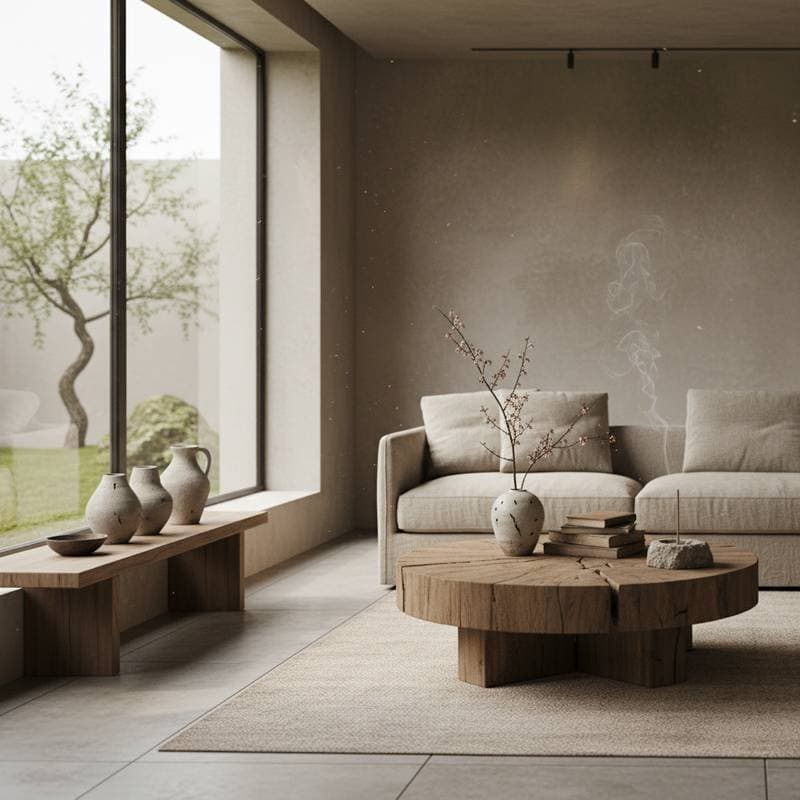
Embracing Imperfection: Wabi-Sabi's Serene Design Magic
Design trends shift rapidly from one season to the next. Sleek minimalism gives way to bold patterns and vibrant colors. Yet many people seek a quieter alternative, one that conveys calm and authenticity rather than flawless precision. This attraction to simplicity and genuineness captures the core of Wabi-Sabi, a Japanese design philosophy that honors imperfection, impermanence, and the allure of natural aging.
Consider a weathered wooden beam, a ceramic mug with a small chip, or linen curtains that have faded slightly in the sun. These elements reveal the heart of Wabi-Sabi. The philosophy rejects the pursuit of a flawless home in favor of appreciating what exists in its authentic state, acknowledging that all things evolve over time.
The Problem: Perfection Fatigue
Contemporary interiors frequently prioritize perfection through smooth surfaces, symmetrical arrangements, and coordinated furniture ensembles. Such designs aim to impose order yet often result in spaces that feel sterile or contrived. Homeowners frequently experience frustration when daily life introduces inevitable marks, such as floor scratches, irregular paint edges, or a fractured tile, which then appear as shortcomings rather than integral aspects of the dwelling's narrative.
Wabi-Sabi presents an alternative perspective. It encourages viewing these minor imperfections as signs of active use and vitality. This reframing fosters a more relaxed, individualized environment that demands less rigorous upkeep.
The Opportunity: A Home That Feels Peaceful and Real
Wabi-Sabi suits homeowners desiring comfort, tranquility, and sincerity. Implementation requires no complete overhaul or substantial expenditure. Rather, it involves reinterpreting existing spaces alongside modest, deliberate modifications that infuse warmth and substance.
Central to this approach is moderation. Wabi-Sabi avoids excess or disorder, emphasizing uncluttered areas and purposeful arrangements. It favors materials that mature elegantly, such as wood, clay, linen, and stone, along with artisan-crafted pieces bearing the maker's imprint. Above all, it positions the home as a dynamic entity that adapts through everyday engagement and passage of time.
How to Bring Wabi-Sabi Into Your Home
Integrate Wabi-Sabi principles incrementally. Begin with modest adjustments, assess the resulting ambiance, and expand accordingly. The following steps provide concrete guidance for incorporating this philosophy throughout your living spaces.
1. Choose Natural Materials
Select substances that gain character with age instead of showing wear poorly. Specific options include:
- Wood: Opt for oak, cedar, or reclaimed timber, which acquire a gentle patina. Surface scratches or subtle color shifts contribute to their distinctive appeal.
- Stone: Incorporate travertine, slate, or limestone for their tactile, grounded qualities. Minor imperfections like chips or irregular edges align seamlessly with Wabi-Sabi aesthetics.
- Textiles: Select linen, cotton, or wool to introduce softness and coziness. Natural creases or subtle fraying amplify their inviting nature.
- Clay and Ceramics: Choose hand-thrown pottery featuring uneven glazes or non-symmetrical shapes. These pieces bring genuine artistry to routine activities like serving tea or displaying flowers.
Although initial costs may exceed those of synthetic options, these materials endure longer and demand minimal maintenance, yielding long-term value.
2. Simplify Your Space
Excess items distract from essential elements. Wabi-Sabi designs depend on ample open areas and deliberate positioning.
- Retain solely those possessions that prove useful or hold personal significance.
- Incorporate empty space around objects to promote a sense of ease.
- Employ straightforward storage solutions, such as rattan baskets or exposed wooden shelves.
Apply this principle by evaluating each room: identify five items that spark joy or utility, then relocate or donate the rest. This practice cultivates tranquility without sacrificing functionality.
3. Embrace Imperfection
Resist the impulse to correct every blemish immediately. A tabletop with a shallow notch or a wall with an irregular brushstroke serves as a testament to lived experiences. When restoration proves necessary, render it conspicuous and valued, drawing inspiration from Kintsugi, the Japanese technique that mends fractured ceramics with gold or silver lacquer, elevating the fracture as a focal point.
Extend this mindset to furnishings, floors, and built elements. An imperfectly plastered surface or a tile edge that deviates slightly introduces subtle intrigue. To apply it practically, select one visible flaw in a high-traffic area and reframe it through complementary decor, such as placing a textured vase nearby to harmonize the irregularity.
4. Focus on Mood and Light
Daylight plays a pivotal role in Wabi-Sabi, varying hourly to illuminate textures with shifting shadows and gentle hues. Steer clear of stark ceiling fixtures. Layer ambient sources for nuance:
- Position table lamps or floor models shaded in linen for diffused illumination.
- Integrate candles or metal lanterns to evoke a soft evening radiance.
- Hang lightweight curtains that soften incoming sunlight without blocking it entirely.
Aim for an atmosphere that anchors and soothes. Permit certain areas to linger in partial shadow, as this asymmetry enhances the organic feel.
5. Use a Muted, Earthy Palette
Draw color inspiration from the natural world, favoring subdued grays, warm earth tones, soft greens, and creamy neutrals. These shades foster cohesion and serenity.
Introduce accents judiciously for balance. Place a deep-hued ceramic vessel against a light backdrop or add a slate-gray cushion to a neutral sofa. Test combinations by draping fabric samples across furniture; adjust until the palette evokes quiet harmony.
Practical Considerations for Homeowners
Costs and Budget
Adopting Wabi-Sabi principles typically conserves funds by promoting reuse and valuation of current assets. For targeted enhancements:
- Reclaimed wood flooring costs approximately $8 to $12 per square foot, including installation.
- Handcrafted ceramic tiles range from $15 to $25 per square foot.
- Linen curtain panels for a standard window pair fall between $100 and $200.
- A textured plaster application on walls averages $6 to $10 per square foot.
Offset expenses by blending high-quality naturals with economical bases. For instance, install reclaimed shelves atop plain walls or mix artisanal bowls with everyday plates.
Skill Level and DIY Options
Numerous Wabi-Sabi endeavors suit novice efforts. Apply a matte wall paint in earthy tones, lightly distress vintage furniture with sandpaper, or craft basic linen covers for cushions using a sewing machine. Proceed methodically, embracing minor inconsistencies as enhancements.
Engage professionals for complex tasks like stone laying, plaster renewal, or timber framing. Seek contractors experienced in organic substances to guarantee structural integrity and adherence to building regulations.
Maintenance and Longevity
Wabi-Sabi materials thrive through natural progression. Sustain them with attentive, infrequent care:
- Nourish wood annually with oil or beeswax to retain moisture.
- Clean textiles via gentle cycles and air drying to safeguard their weave.
- Apply sealant to stone surfaces periodically in damp environments.
- Treat ceramics kindly, viewing any emerging marks as evolving features.
Shift emphasis from perfection to stewardship. Allow patina to develop, transforming maintenance into a ritual of appreciation.
Safety and Environmental Impact
Organic materials generally pose fewer health risks than synthetics, releasing minimal volatile compounds. Source wood and stone from certified sustainable providers or regional quarries to minimize ecological footprint. Prior to using salvaged items, test for hazards like lead-based paints or pollutants to ensure safe integration.
Why Wabi-Sabi Fits Modern Life
Amid demands for efficiency and flawlessness, Wabi-Sabi restores equilibrium. It promotes mindfulness, fosters thankfulness, and alleviates the compulsion for perpetual renewal. A mug bearing a chip evolves into a cherished daily companion. A rug softened by footsteps chronicles shared moments. These nuances affirm that homes serve living, not mere display.
Those who embrace this outlook report lighter, more manageable surroundings. Upkeep transforms from a chore of concealment to an act of nurturing valued elements.
Living with Wabi-Sabi
Adopting this lens alters approaches to design, adornment, and care. Spaces adapt organically: reposition pieces to match evolving routines, refurbish heirlooms over discarding them, and value traces of routine activity.
During renovations, consult builders on integrating tactile surfaces, non-glossy coatings, and fluid shapes. In fresh dwellings, forgo overcrowding; permit areas to rest unoccupied, inviting serenity.
Making It Happen
Initiate modestly. Select a single room, eliminate superfluous items, and substitute one artificial element with a natural counterpart. Observe the emerging quietude and stability.
Wabi-Sabi transcends fleeting styles; it reshapes perceptions of habitat and existence. Through acceptance of flaws, homes become truthful refuges of peace and humanity.