
The Deconstructed Trend Redefining Luxury Interiors
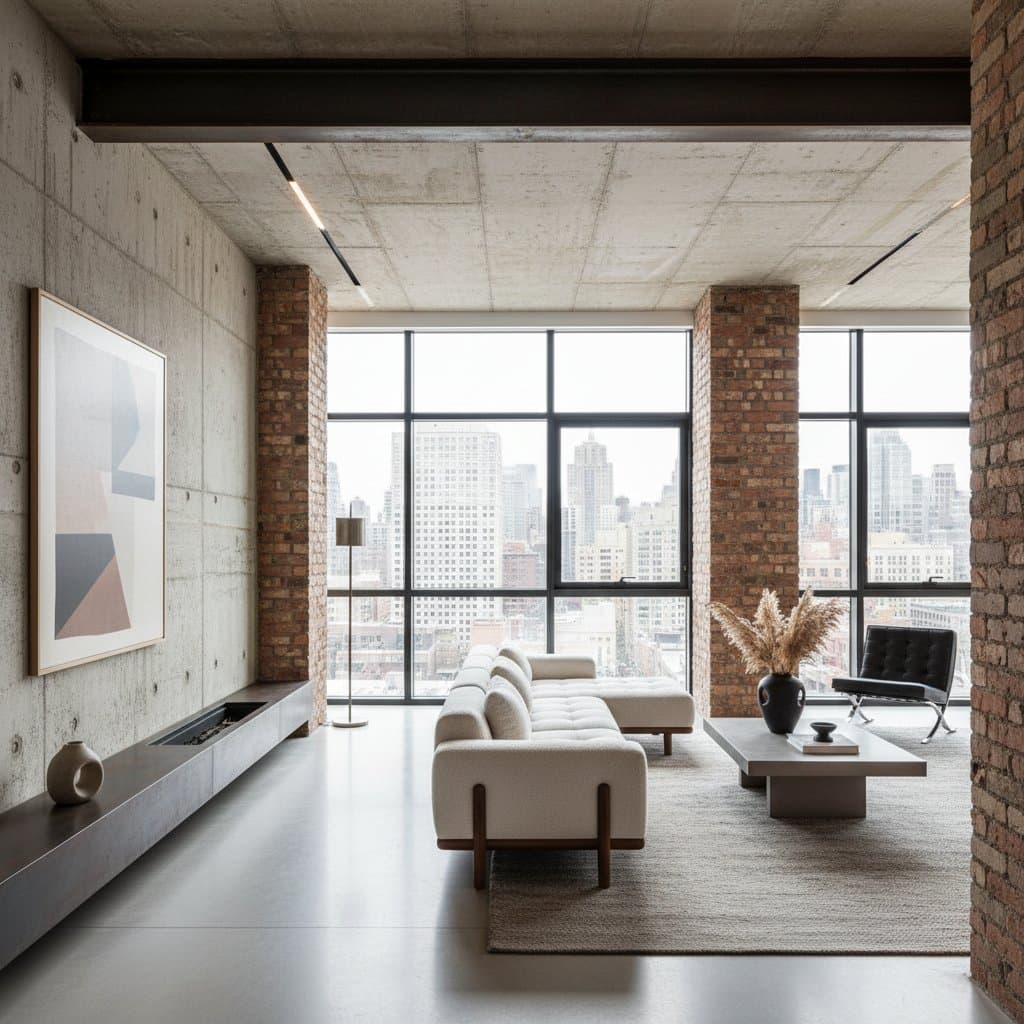
High-end homes increasingly reveal their structural foundations rather than concealing them. Concrete ceilings, exposed brick walls, and visible ductwork now serve as intentional design features in a movement called deconstructed luxury. This style transforms what might appear as unfinished elements into statements of authenticity and elegance.
Those familiar with the appeal of converted lofts or aged factory spaces recognize the allure immediately. Deconstructed luxury emphasizes the inherent beauty of a building's framework, integrating industrial elements with luxurious touches to create spaces that feel both grounded and upscale.
Defining Deconstructed Luxury
Deconstructed design exposes core structural components, such as steel beams, rivets, rough plaster, and raw wood. The goal remains to foster sophistication rather than starkness, achieving this through deliberate pairings of honest materials with refined accents.
In upscale settings, this method fuses industrial architecture with skilled artisan work. Consider a polished concrete floor juxtaposed against a plush velvet armchair, or an exposed brick accent wall alongside smooth marble surfaces. Such contrasts generate visual impact and depth.
This aesthetic appeals to individuals who prioritize narrative and workmanship over excessive decoration. It represents a nuanced minimalism infused with warmth and individuality.
Reasons Deconstructed Design Succeeds in Contemporary Homes
Deconstructed elements convey history through every visible detail, from subtle marks to structural joints. Rather than masking flaws, this style honors them as part of the narrative.
The approach strikes an equilibrium between rugged and polished aspects. Raw features evoke the architecture's origins, while premium finishes ensure livability and ease. Personalization emerges naturally, fostering a sense of connection to the space.
For those fatigued by uniform, high-shine surfaces, deconstructed design provides a refreshing alternative. It delivers enduring appeal without reliance on fleeting trends.
Incorporating Deconstructed Elements into Your Home
Achieving this look requires no industrial background; thoughtful adaptations suit various residences. Begin with assessment and proceed incrementally to maintain harmony.
1. Reveal Existing Structural Features
Examine hidden areas for potential highlights. Carefully remove coverings to uncover brick, wooden framing, or concrete substrates.
- Walls: Uncovered brick or plaster introduces tactile interest. Apply a matte sealant to protect against dust while preserving the natural patina.
- Ceilings: Clean and sand exposed beams or joists, then seal them to accentuate overhead architecture.
- Floors: Opt to polish or stain concrete bases rather than overlaying with additional flooring.
This method proves economical, with costs for sealants and cleanup typically ranging from $200 to $500 per area, based on scale.
2. Balance Raw Textures with Polished Materials
Luxury arises from intentional pairings that offset ruggedness with elegance.
Effective combinations include:
- Polished concrete paired with thick wool area rugs
- Raw timber beams complemented by crystal pendants
- Weathered walls adjacent to lacquered wood cabinetry
These pairings mitigate any overly stark impressions and enhance spatial dimension, ideal for compact areas.
3. Select a Palette Rooted in Material Truths
Deconstructed spaces draw colors from their components, favoring subdued earth tones like slate grays, honeyed woods, patinated metals, and soft off-whites.
Incorporate subtle warmth via natural fabrics such as undyed wool or soft cotton drapery. Steer clear of glossy enamels or artificial sheens that disrupt the organic essence.
4. Integrate Strategic Lighting Solutions
Illumination elevates deconstructed features from functional to atmospheric. Combine focused and diffused sources to temper bold lines.
Incorporate exposed-bulb fixtures, linear LED tracks, or metallic sconces. Install dimmers to adjust intensity, particularly when showcasing irregular surfaces at evening.
5. Introduce Comfort via Furnishings and Fabrics
Counterbalance hard elements with inviting selections that promote relaxation.
Select pieces like upholstered seating in breathable fabrics, layered textiles on floors, or handcrafted wooden accents. This layering ensures the environment remains hospitable despite prominent structural displays.
Advantages and Drawbacks of Deconstructed Luxury
This design choice offers distinct benefits alongside considerations for practicality.
Advantages:
- Distinctive character that reflects personal taste
- Minimal upkeep for resilient surfaces such as sealed brick or concrete
- Materials that develop appealing patina over time
- Engaging visuals achieved through inherent features alone
Drawbacks:
- Potential for chilliness without adequate softening elements
- Necessity for expert sealing or restoration in some cases
- Revelation of surface irregularities
- Increased sound transmission across hard planes
In heritage properties, consult structural engineers prior to alterations. Modern builds may require approvals for modifications to supports.
Essential Planning Factors
Thorough preparation ensures a seamless implementation.
Budget: Allocate $300 to $1,000 for minor exposures, escalating to $5,000 or more for comprehensive overhauls, including labor.
Labor Intensity: Anticipate dust management and possible tool rentals; professional assistance safeguards quality.
Timeline: Simple updates span weekends, while extensive projects extend to months, factoring in drying times for finishes.
Regulatory Needs: Secure permits for any load-bearing changes or significant demolitions.
Ongoing Care: Seal porous materials against humidity; refresh wood treatments periodically to sustain vibrancy.
Addressing these upfront minimizes disruptions and maximizes satisfaction.
Harmonizing Luxury with Genuine Expression
Deconstructed luxury distinguishes itself by prioritizing livability alongside material honesty. Polished stone edges meet textured backdrops seamlessly, each enhancing the other.
True opulence stems from purposeful choices. Visible hardware on bespoke joinery or diffused daylight through sheer panels underscores thoughtful execution.
Professionals term this poised restraint, yielding environments that exude assurance and ease.
Sustaining the Deconstructed Aesthetic
Established spaces demand routine attention to preserve their allure. Dust lightly without aggressive buffing to retain authentic markings.
Adaptations over time, such as seasonal fabric swaps or fixture adjustments, refresh without overhaul. The style's resilience allows organic evolution, deepening its narrative with use.
Steps to Implement Deconstructed Design
If exposed frameworks and understated elegance resonate, initiate with targeted changes like a single accent wall.
Observe how these integrate into routines, then expand selectively. This methodical process affirms that refined living thrives on sincerity rather than flawlessness.