
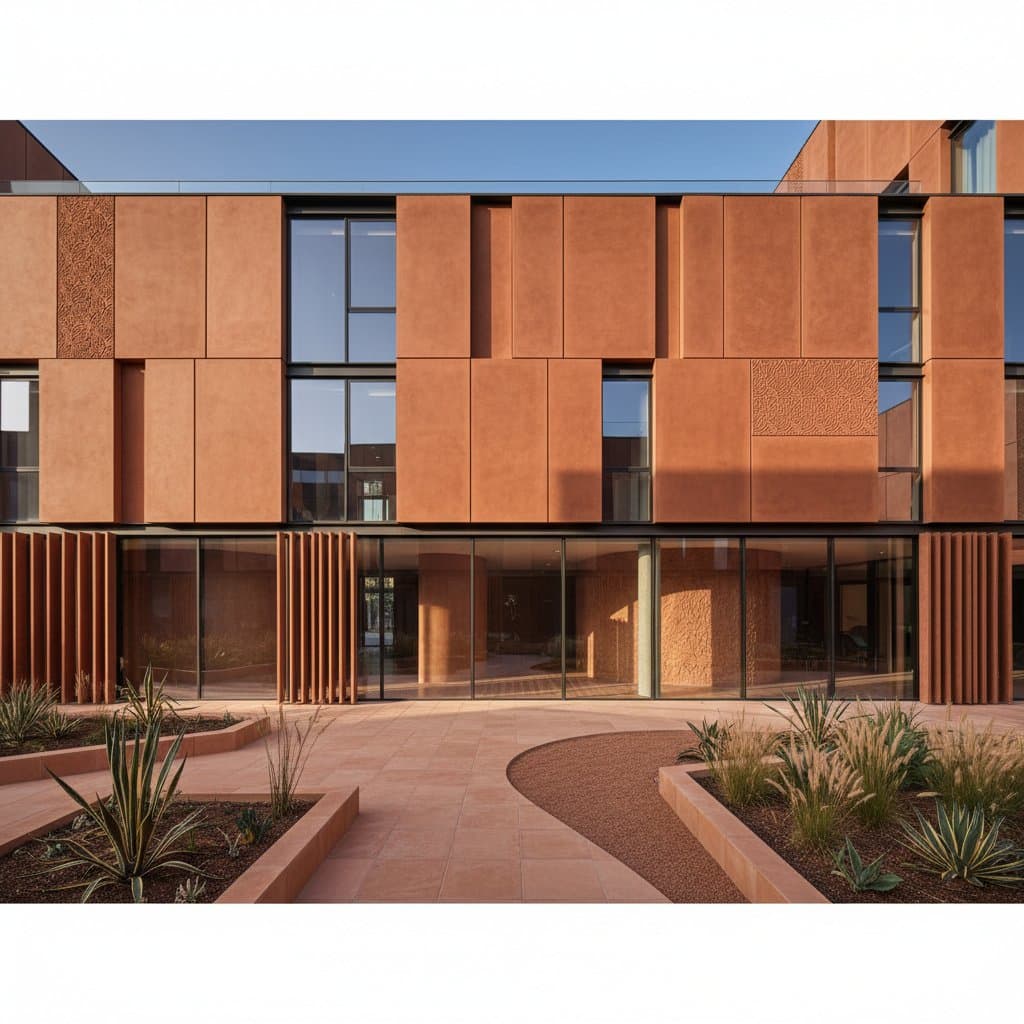
Terracotta Revival: Earthy Clay Trends Shaping 2026 Builds
Imagine stepping onto a new development site where a warm, sunbaked hue captures the afternoon light. This glow arises not from concrete or steel, but from rich clay that harmonizes with the surrounding landscape. Terracotta reclaims prominence in modern architecture, extending beyond traditional roof tiles to façades, floors, and more. Its enduring beauty, inherent sustainability, and calming presence elevate contemporary structures.
The Warm Comeback of Clay
Terracotta, meaning "baked earth," embodies centuries of architectural heritage. Builders employed it in ancient temples and rustic cottages for its strength and tactile quality. Today, architects integrate it with innovative techniques, yielding designs that evoke nostalgia while advancing forward.
This resurgence aligns with a broader preference for genuine, inviting materials that foster environmental ties. Terracotta delivers through its porous texture, matte surface, and subtle color shifts, qualities that surpass the uniformity of synthetic alternatives. Each element carries the essence of natural formation.
Why Terracotta Fits the Modern Vision
Terracotta attracts attention in contemporary projects due to its seamless integration of heritage and performance. It combines artistic expression with practical benefits, serving diverse applications effectively.
-
Sustainability: Derived from abundant local clay, terracotta requires few chemical additives during firing. Producers employ low-emission kilns and water recycling, minimizing environmental impact and supporting carbon-neutral goals.
-
Thermal Comfort: The material's high thermal mass absorbs and releases heat gradually. This property maintains stable indoor climates, lowering reliance on heating and cooling systems by up to 20 percent in moderate climates.
-
Aesthetic Versatility: Available in shades from soft peach to intense rust, terracotta adapts to various moods. Polished variants enhance sleek interiors, whereas textured forms introduce organic depth to exteriors.
-
Longevity: With proper installation, terracotta endures for decades without significant degradation. It resists moisture, UV rays, and pollutants, proving cost-effective over time for both homes and businesses.
Terracotta transcends mere construction; it crafts narratives of resilience and harmony with nature.
Modern Applications Beyond Roof Tiles
Terracotta's role expands far beyond historical uses, inspiring innovative implementations across building elements.
Façade Cladding
Architects deploy terracotta panels and slender baguettes to form dynamic exteriors. Vertical louvers provide shade and airflow while diffusing light across textured planes. This creates facades that evolve with daylight, enhancing visual interest.
Interior Walls and Flooring
Within spaces, honed terracotta tiles introduce subtle luster and grounding hues. They temper the sterility of glass and metal, pairing well with organic elements like wood beams or fabric drapes. Such combinations convert stark environments into cozy havens.
Architectural Details
Terracotta shapes functional accents such as privacy screens, garden planters, and ornamental grilles. These features infuse warmth and touchable quality without dominating the overall design.
Sustainable Landscaping
Outdoors, terracotta pavers and borders facilitate drainage through their permeability. Integrated with drought-resistant flora and stone paths, they cultivate low-maintenance gardens evoking Mediterranean serenity, ideal for city lots or seaside properties.
The Palette of Earth and Fire
Terracotta's colors develop from clay minerals and kiln temperatures, ensuring inherent uniqueness in every production run. Designers celebrate these nuances, incorporating them to build layered, genuine aesthetics.
Popular shades include:
- Soft apricot for serene indoor settings
- Burnt sienna for robust outdoor statements
- Dusty rose for refined commercial interiors
- Deep umber for anchoring transitional spaces
When combined with materials like pale stone, smooth plaster, or pale timber, terracotta anchors compositions effortlessly. It complements foliage, forging seamless indoor-outdoor connections.
Cost, Care, and Practical Considerations
Practical evaluation ensures terracotta suits specific needs. Though perceived as premium, it often aligns with standard budgets.
Cost Range
Prices fluctuate based on craftsmanship and origin, from $5 to $15 per square foot for basic tiles. Domestic sourcing reduces expenses compared to artisanal imports, rivaling porcelain or slate options.
Installation and Maintenance
Professional sealing prevents water ingress, particularly in damp areas. Upkeep involves dust removal, mild soap washes, and resealing every three to five years. Over time, a natural patina emerges, enhancing appeal.
Durability and Weather Resistance
Engineered variants handle freeze-thaw cycles and intense sunlight. Backed systems promote airflow, averting damage in cladding uses. Indoors, it withstands daily wear in busy zones like hallways or dining areas.
Permits and Building Codes
Major projects demand adherence to standards for fire safety and load-bearing. Certified installers reference manufacturer data to comply, streamlining approvals.
Architectural Styles Embracing the Revival
Terracotta adapts to evolving design paradigms, enriching multiple genres.
- Modern Minimalism: Flat panels contrast clean lines of concrete and glazing, adding subtle earthiness.
- Mediterranean Revival: Arched forms and tiled roofs pair with stucco and metalwork for authentic warmth.
- Contemporary Urban: Baguette arrays introduce pattern to high-rise envelopes, mitigating urban rigidity.
- Eco-Modern Homes: It synergizes with living roofs, photovoltaic arrays, and earthen masses for holistic sustainability.
Its adaptability spans rustic simplicity to polished innovation.
How Builders and Homeowners Are Adopting the Trend
Professionals streamline terracotta use through modular systems and protective finishes. These advancements accelerate assembly while broadening creative scope. Homeowners explore accessible formats, from tile laying to wall panels, often with artisan input.
Collaborations yield bespoke items like molded reliefs or custom bricks. Such efforts revive skilled labor, merging functionality with artistic expression in everyday builds.
Bringing Terracotta Into Your Next Project
To incorporate terracotta effectively, identify high-impact areas first.
- Entryway Statement Wall: Install tiles as a backdrop to furniture, greeting visitors with inviting depth.
- Kitchen Backsplash: Select glazed formats for durability and subtle pattern against appliances.
- Outdoor Pathway: Arrange pavers in geometric layouts to guide movement through yards.
- Fireplace Surround: Leverage its thermal properties for safe, stylish surrounds.
Pair with natural textures like woven textiles or brushed metals to amplify its organic presence. Steer clear of glossy synthetics that clash with its matte authenticity.
Integrating Terracotta for Lasting Impact
Terracotta's return signals a commitment to materials that prioritize ecology, durability, and emotional resonance. It transforms structures into enduring expressions of place and purpose.
Consult experts versed in clay applications to realize your vision. Platforms like Doric South connect you with qualified specialists, ensuring seamless execution from concept to completion.