
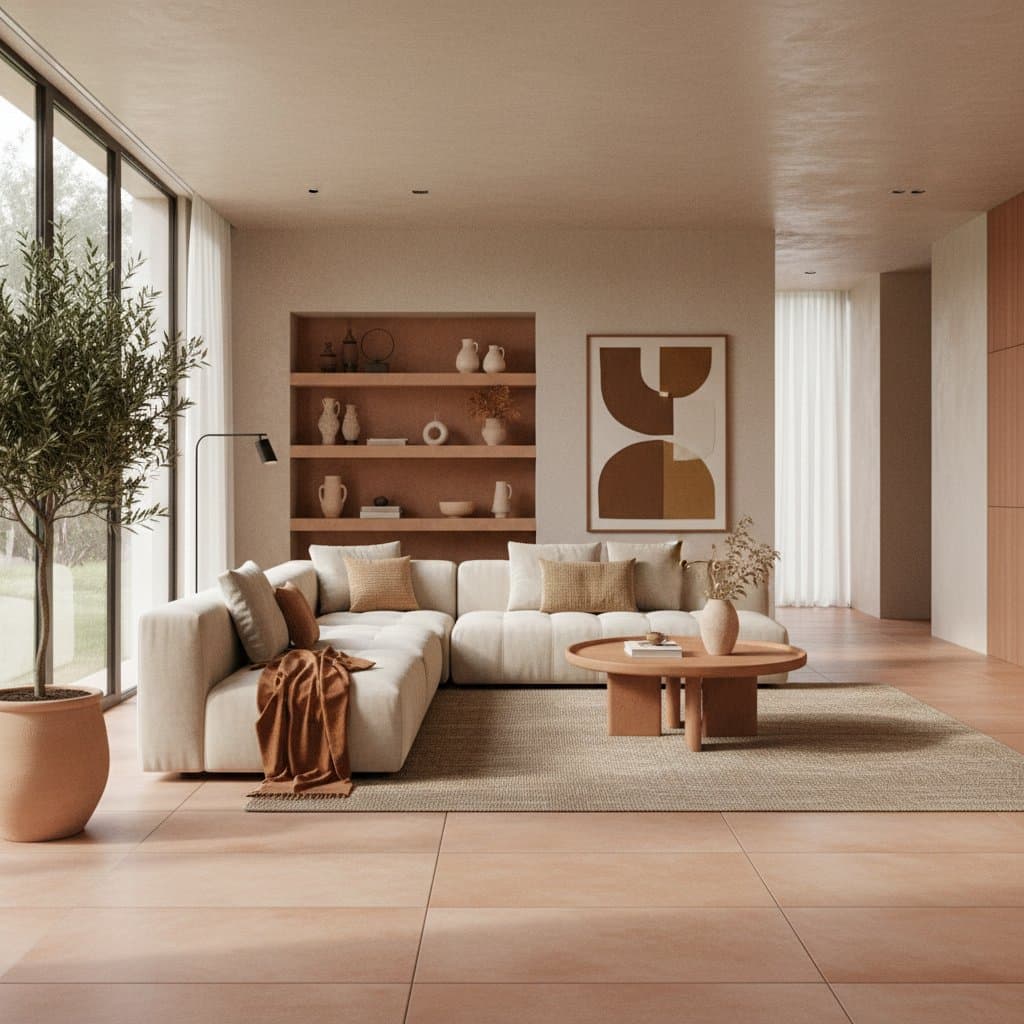
Terracotta's Warm Glow: Mediterranean Homes in 2026
Imagine entering a home enveloped in soft, sunlit tones. The floors offer a cool touch beneath your feet, while the walls emit a subtle warmth, and every surface pulses with inherent texture. This describes the subtle allure of terracotta. Homeowners increasingly embrace this enduring material as the foundation of Mediterranean-inspired interiors. Its grounded essence and inherent depth provide both comfort and unique character.
The rising popularity of terracotta extends beyond fleeting fashion. It addresses the chill of minimalist spaces that have prevailed in recent years. Individuals seek environments that feel inhabited and rooted. Terracotta achieves this by merging aesthetic appeal, functionality, and historical resonance into daily life.
Why Terracotta Defines Mediterranean Warmth
Terracotta, translating to "baked earth," has served communities for generations in sun-drenched regions along the Mediterranean. Structures in Southern Europe and coastal areas depend on it for thermal regulation, resilience, and distinctive coloration. The rich reds, gentle oranges, and subdued pinks absorb and reflect sunlight in ways unmatched by other substances.
Within contemporary settings, terracotta aligns seamlessly with warm minimalism. It introduces personality without disarray and depth without surplus. Applied to floors, walls, or decorative elements, it fosters an inviting tactile quality that promotes ease. Success hinges on equilibrium: combining terracotta's organic vibrancy with clean lines and subdued palettes.
The Challenge in Contemporary Residences
Numerous recent constructions appear stark. Light gray flooring, pristine white surfaces, and polished finishes convey tidiness yet often evoke detachment. These elements bounce light effectively but fail to convey coziness. Residents frequently detect an absence without pinpointing its source.
Terracotta bridges this divide. It infuses vitality via organic substances and soil-inspired shades. The material tempers harsh contours, harmonizes with timber and rock, and integrates with furnishings from classic to current designs. Additionally, it conceals signs of use gracefully, enhancing allure over time.
Incorporating Terracotta into Your Residence
Mediterranean essence requires no proximity to the ocean. Terracotta suits diverse environments and aesthetics. Focus on integration that matches your area, finances, and routines.
1. Begin with Flooring
Terracotta tiles for floors represent the classic application. They deliver inherent thermal control and aid in maintaining stable indoor conditions. In hotter locales, the tiles remain refreshing to the touch. In temperate zones, integrate them with underfloor heating systems for added comfort.
Average cost: Plan for $6 to $12 per square foot on basic artisanal tiles. Factor in $4 to $8 per square foot for labor, varying by pattern intricacy and regional rates.
Maintenance tip: As a porous substance, terracotta demands sealing to resist stains and humidity. Select a penetrating sealer and refresh it every two to three years for ongoing safeguard.
2. Employ Accent Walls for Dimension
An accent wall in terracotta can revitalize a dining area, kitchen, or foyer. It adds relief and profundity without dominating the room. Opt for slim terracotta panels or limewash in clay hues. These methods evoke Mediterranean flair minus extensive overhaul.
DIY difficulty: Moderate level. Affixing panels or spreading tinted wash calls for precision and composure. Novices in surface work should engage experts for uniform results.
3. Integrate Terracotta Elements and Hardware
For less committed changes, introduce terracotta via accessories. Planters, hanging lamps, and vessels infuse comparable coziness discreetly. Their unglazed surfaces complement metals like brass, woods, and fabrics such as linen.
Cost range: Items vary from $40 to $300 based on scale and artistry. Artisanal ceramics command higher prices yet provide singular appeal.
4. Combine with Harmonious Substances
Terracotta enhances alongside timber, stucco, masonry, and textiles. In culinary spaces, match terracotta backsplashes with maple units and copper accents. In lavatories, align it with pale stucco and satin fixtures. Aim for cohesion rather than opposition.
5. Explore Outdoor Uses
Mediterranean architecture frequently employs terracotta on rooftops, terraces, and boundaries. It endures weathering, gaining an organic sheen with age. The material tolerates fluctuations in heat and exposure to rays.
Cost range: Roofing panels average $8 to $15 per square foot with fitting. Paving stones for patios fall between $5 and $10 per square foot, excluding setup.
Climate and Location Factors
Terracotta responds variably to environmental conditions. In moist areas, emphasize sealing and airflow to avert damp accumulation. In frosty regions, select freeze-thaw durable variants to prevent fractures. Review manufacturer details prior to selection.
Coastal properties benefit from terracotta's tolerance to salinity. Inland or arid settings leverage its heat retention for even temperatures. This efficiency supports green building when aligned with natural ventilation strategies.
Addressing Safety and Upkeep
Terracotta proves robust yet needs vigilance. Wet conditions can render it slick, particularly with shine-enhancing sealers. In high-traffic zones like galleys and washrooms, prioritize rough or non-reflective finishes for grip.
Routine care involves gentle detergent and water solutions. Steer clear of corrosive agents that erode protection. For persistent marks, apply a paste of bicarbonate and water to remove them safely.
Periodic tasks encompass resealing and inspecting joints for deterioration. Terracotta matures elegantly with steady oversight.
Current Styles Featuring Terracotta
Terracotta's draw stems from its adaptability. Professionals apply it across pastoral and sleek schemes. Projects may showcase irregular hand-formed pieces or precise machined sections. Warmth remains the common thread.
Prevailing Mediterranean motifs pair terracotta with sparse frameworks. Cream stucco, exposed rafters, and ambient illumination frame terracotta bases or alcoves. This yields understated yet vibrant atmospheres.
Emerging practices involve shade layering. Blend terracotta with soft beiges, taupes, and creams for nuanced depth. Such methods appear fresh while enduring, suiting the shift toward genuine, earth-based options over artificial ones.
Financial Aspects, Returns, and Practical Outlook
Initial outlay for terracotta exceeds budget alternatives, yet its endurance and classic presence justify the choice. Sealed installations endure for generations. Distinct from imitations, terracotta allows restoration over substitution.
Estimated ROI: Valuations typically recover 70 to 80 percent on premium floor or terrace enhancements using terracotta, particularly in areas favoring regional motifs. Enhanced visual appeal boosts exterior value.
Timeline: Medium-scale floor or terrace work spans one to two weeks, accounting for drying and protection phases. Wall accents or minor tasks finish in days.
Engaging Specialists
Self-installation suits terracotta, though precision matters. Pieces vary slightly, requiring grout adjustments for alignment. Experts guarantee proper protection and pattern consistency, mitigating future issues like seepage or splits.
Seek certified workers for load-bearing tasks, roofing, or heated systems. Confirm their familiarity with terracotta, distinct from other clays.
Eco-Friendly and Regional Procurement
Artisanal terracotta often derives from nearby soils. Local sourcing cuts shipping emissions and bolsters heritage skills. It also matches hues to surrounding landscapes.
Sustainability-focused buyers pursue repurposed or vintage pieces. Reclaimed elements from prior sites carry aged allure and quirks, elevating fresh setups. These may incur modest premiums for their distinctiveness.
Experiencing Terracotta Daily
Upon placement, terracotta alters room dynamics at once. It diffuses daylight gently, casting a serene radiance. Thermal qualities maintain coolness by day and retain heat through evenings. Gradually, it acquires faint tonal shifts reflecting interaction and tending.
Sustain its appeal through frequent dusting and timely resealing. Minor abrasions yield to polishing and renewal. Owners often view these routines as enriching bonds to their surroundings.
Advancing Your Terracotta Project
To infuse vitality and relief into your living areas, initiate with a modest endeavor. Refresh an entrance threshold, renew an outdoor lounge, or install a splash guard. Observing light play on the material may inspire broader commitments.