
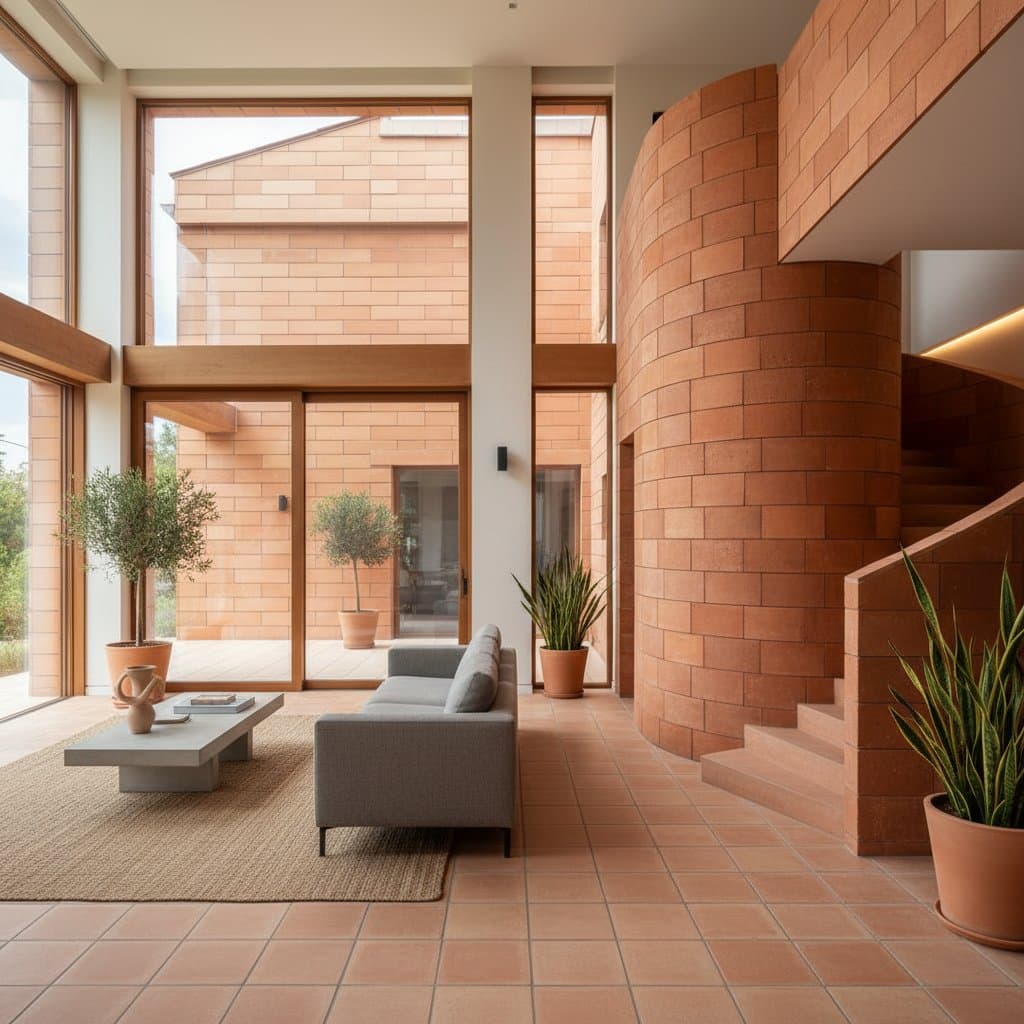
Terracotta's Resurgence in 2026 Architecture
Imagine strolling through an emerging community where structures radiate a sun-warmed glow. Facades exhibit a grounded quality, with surfaces that offer texture and substance. This vision resonates widely, as architects, builders, and homeowners increasingly select terracotta and clay elements. Such choices direct contemporary architecture toward integration of heritage techniques and eco-conscious practices.
Origins of Terracotta's Renewed Popularity
Terracotta persists through history, yet current emphases on organic substances and genuine surfaces fuel its prominent return. For property owners and developers, this trend exceeds mere aesthetics. It signifies a strategic emphasis on resilience, environmental responsibility, and visual comfort absent in many glass-and-steel constructions.
Multiple factors drive this interest. Architects value terracotta's versatility for diverse applications, spanning streamlined city exteriors to pastoral home settings. Builders prioritize its robustness and reduced upkeep needs. Homeowners seek its inherent elegance and the stability it imparts to environments.
Terracotta's Alignment with Contemporary Design Needs
Derived from the term "baked earth," terracotta results from high-temperature firing of natural clay, yielding a sturdy, climate-enduring product. Glazing imparts a refined surface, while an unglazed variant preserves a raw essence. In building contexts, terracotta appears as panels, bricks, or tiles, prized for harmonizing form and function.
Principal advantages encompass:
- Endurance and permanence – High firing prevents color loss, rust, and water harm. Numerous heritage structures retain intact terracotta exteriors after centuries.
- Temperature regulation – As an inherent barrier, terracotta stabilizes internal climates, which may lower energy expenses for climate control.
- Minimal care requirements – Unlike coated or artificial alternatives, it demands little attention, suiting homes and businesses alike.
- Ecological viability – Abundant clay supports recycling efforts. Local sourcing minimizes transport-related emissions and bolsters community economies.
- Versatile application – Advanced production enables varied forms, hues, and patterns, accommodating progressive and classic styles.
Challenges for Homeowners in Material Selection
Property owners often desire enduring exterior presence and eco-friendly components, yet the array of choices proves daunting. Materials like synthetic composites, vinyl, or cement boards appear straightforward or economical, but they frequently fall short in genuineness or sustained efficacy compared to organic options. The task lies in aligning initial expenses, ongoing care, and design aspirations while upholding strength.
Terracotta resolves this equation. It delivers the sensory depth of raw clay alongside the accuracy and fortitude of current fabrication methods. Primary hurdles involve grasping integration strategies and accurate cost assessments.
Assessing Terracotta Facade Expenses
Initial outlays for terracotta exceed budget options, though its extended service life justifies the expenditure. Rainscreen terracotta systems average $35 to $60 per square foot installed. Elaborate or specialized glazed versions may ascend to $75 per square foot. By contrast, fiber cement options span $20 to $35 per square foot, and premium stone veneers surpass $100 per square foot.
In compact home initiatives, terracotta accents or siding serve as a balanced enhancement, blending allure and utility. Targeted use—on doorways, fireplaces, or elevated sections—yields striking results without escalating total costs dramatically.
Strategies for Incorporating Terracotta
For new constructions or renovations, terracotta integrates through multiple methods. Follow this structured process.
- Establish aesthetic objectives. Determine if the outcome leans rustic, contemporary, or hybrid. Raw terracotta suits heritage or coastal motifs, whereas polished glazed forms complement sleek or sparse aesthetics.
- Evaluate load-bearing capacity. Terracotta exceeds lighter sidings in weight. Verify wall frameworks can sustain it; engage a structural specialist or seasoned builder during planning.
- Select appropriate variants. Choices include:
- Terracotta panels for breathable rainscreen or facade assemblies.
- Cladding tiles for focal interiors or ornamental exteriors.
- Roof tiles to achieve cohesive heritage styling.
- Incorporate airflow and water management. Rainscreen designs facilitate circulation behind surfaces, averting condensation and prolonging structural integrity.
- Engage qualified specialists. Precision defines terracotta placement. Faulty fixation or sealing risks fractures or leaks.
Evaluating DIY and Expert Installation
For minor ornamental tasks, like landscape barriers or room highlights, proficient homeowners with masonry skills may proceed independently. Structural or outer facades demand professional expertise. Secure fixtures and exact positioning ensure optimal results. Opt for certified builders versed in rainscreen techniques.
Installation Complexity:
- DIY Feature Walls: Moderate (necessitates tile-laying proficiency)
- Outer Facades: Advanced (experts advised)
- Roof Tile Updates: Moderate to advanced (involves elevation safety and slope analysis)
Addressing Safety and Upkeep
Clay products pose no toxicity risks, though handling entails weighty elements and elevated work. Employ mechanical aids for lifts and safety harnesses. During fabrication, respirators mitigate dust exposure.
Upkeep remains simple. Rinse surfaces with gentle soap solutions. Refrain from pressure cleaning to preserve grout and coatings. Review joints and barriers biennially, especially in areas prone to temperature fluctuations that strain bonds.
Adapting to Local Conditions
Terracotta endures diverse environments, with adaptations per locale.
- Moist regions: Mandate ventilated systems to evade damp accumulation.
- Temperate zones: Include flexible joints for expansion during freezes.
- Dry or warm climates: Leverage thermal retention to ease cooling demands.
Adhere to regional regulations on fixtures or flame resistance. Verify material alignment with local standards prior to procurement. Certain areas offer rebates for energy-saving natural selections.
Terracotta Versus Alternative Facades
Material decisions hinge on efficacy, style, and budget comparisons. This summary provides insights.
| Material | Average Installed Cost (per sq. ft.) | Maintenance | Durability | Visual Appeal |
|---|---|---|---|---|
| Vinyl Siding | $7–$12 | Low | Moderate | Restricted hues |
| Fiber Cement | $20–$35 | Moderate | High | Even or simulated grains |
| Terracotta | $35–$60 | Low | Very High | Organic warmth and depth |
| Natural Stone | $60–$100+ | Low | Very High | Luxurious heritage vibe |
| Metal Panels | $25–$50 | Low | High | Crisp modern lines |
Terracotta bridges economical and upscale realms, delivering true essence with enduring reliability.
Embracing Natural Materials in Design Evolution
Terracotta transcends appearance to symbolize architecture's pivot. Professionals favor substances linking structures to surroundings over manufactured ones. Elements like clay, timber, plaster, and rock impart sensory authenticity that fosters rootedness.
This evolution proves pragmatic. Organic choices mature elegantly, acquiring depth and luminosity that synthetics cannot match. Architects view terracotta as an ideal embodiment, fusing relational comfort with mechanical reliability.
Implementing Terracotta Effectively
To pursue terracotta, identify core aims: visual impact, thermal benefits, or durability. Seek guidance from clay-savvy designers or builders. Examine physical samples for texture and shade variations in daylight. Construct a test panel to gauge environmental interplay.
On limited funds, apply selectively to frames, tops, or boundaries. For comprehensive builds or overhauls, install full rainscreen arrays to elevate both function and form.
Terracotta's ascent stems from a quest for genuineness and earthly ties. Applied with intent, it yields progressive utility alongside perpetual charm. From partial updates to full visions, this material instills warmth and solidity in architectural endeavors.