
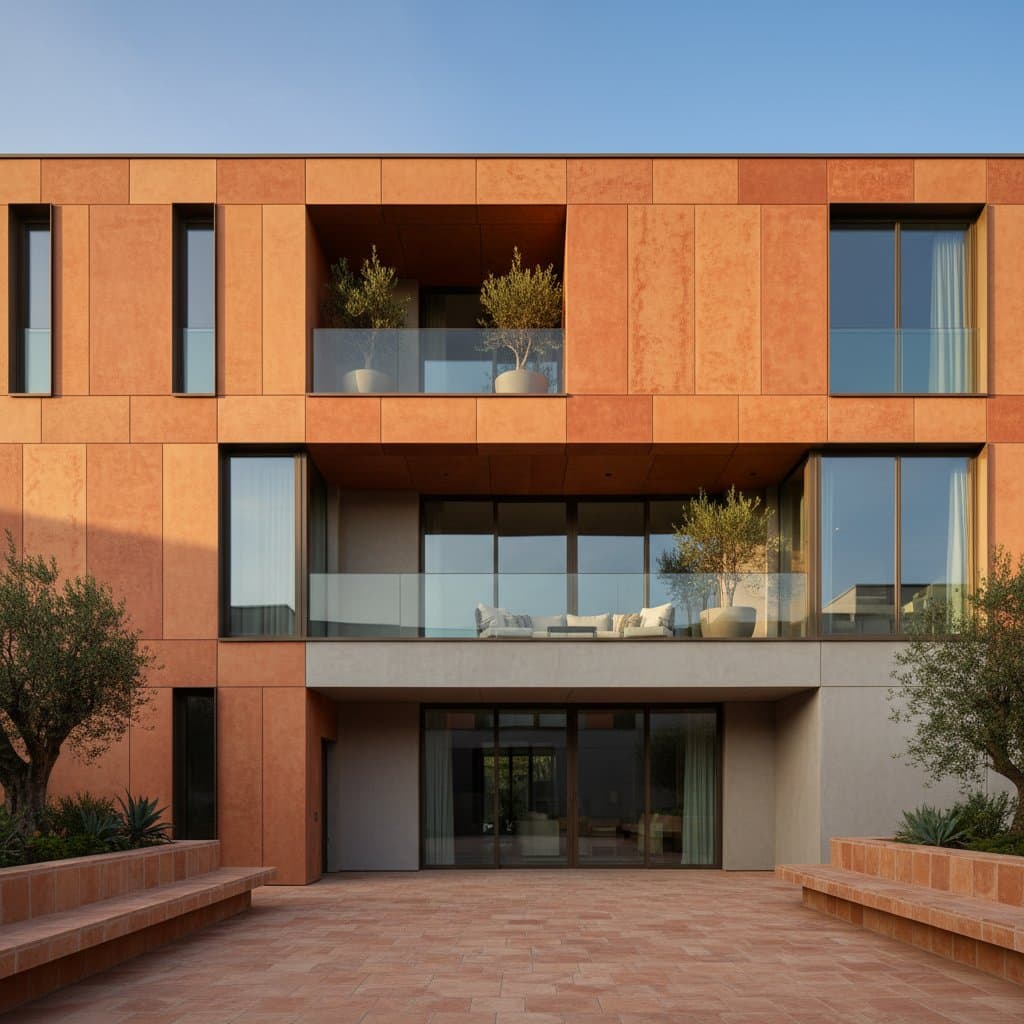
Terracotta Revival: Earth Tones Reshaping 2026 Design
Warm, natural tones appear in diverse settings once more, from home facades to kitchen tiles. The earthy glow of terracotta marks a strong return in contemporary design. Designers and homeowners alike recognize its sunbaked shades as both fresh and familiar, positioning terracotta and similar earth tones to influence design approaches by blending comfort with enduring character.
Why Terracotta Feels Right Again
Cool grays and stark whites dominated modern design for years, offering a clean aesthetic that occasionally lacked vitality. Terracotta introduces depth and warmth, evoking a handcrafted, grounded quality. Professionals apply it to soften rigid edges and harmonize with materials such as metal or glass, resulting in spaces that maintain a contemporary edge while fostering an earthly connection.
This material suits both interior and exterior applications. It transforms a compact kitchen into a cozy retreat or imparts a rich texture to building facades. Beyond traditional orange hues, options include deep rust, blush pink, soft clay brown, and muted sand tones, all of which integrate seamlessly with wood, stone, and linen.
The Appeal of Earth Tones in Modern Design
Earth tones such as terracotta, ochre, and clay gain traction for several compelling reasons:
- Versatility. These shades adapt to styles ranging from Mediterranean to minimalist.
- Warmth. They temper the chill of modern environments.
- Sustainability. Terracotta often derives from natural, recyclable sources.
- Texture. Subtle color and surface variations ensure each application remains distinctive.
In renovation projects, these tones deliver enduring value. They mature gracefully and resist obsolescence. As trends evolve, earthy materials continue to convey appropriateness and invitation.
Where to Use Terracotta in Your Home or Project
Incorporate terracotta through various methods, scaled to budget and expertise. Consider these targeted applications.
1. Walls and Facades
Terracotta cladding reemerges in architecture, providing a warm, artisanal appearance alongside durability and weather resistance. Contemporary panels weigh less than conventional bricks, facilitating installation over existing surfaces with minimal disruption. Costs range from moderate to premium based on finish and provider; select this for sustainable, low-maintenance exteriors.
2. Flooring
Terracotta tiles serve as a timeless choice for kitchens, patios, and entryways. With appropriate sealing, they withstand daily use, and their inherent variations conceal minor wear better than glossy alternatives. Installation expenses exceed those of basic ceramic, yet the investment yields a durable floor rich in character. Note that unsealed terracotta remains porous, necessitating sealant to avert stains.
3. Kitchens and Bathrooms
For efficient updates, install terracotta backsplash tiles or accent walls. Such endeavors suit weekend timelines for those adept at tiling. Clay tones complement stainless steel appliances and marble countertops, creating equilibrium. Opt for handmade tiles with matte finishes and subtle textures to enhance the effect.
4. Decor and Finishing Touches
A complete overhaul proves unnecessary to embrace terracotta. Modest changes yield significant impact. Select pots, vases, or lamps in terracotta, or introduce fabrics in rust or sand shades for a grounded ambiance. These elements remain budget-friendly and interchangeable as preferences evolve.
Balancing Old and New
Though terracotta evokes rusticity, current design integrates it thoughtfully. Rather than overwhelming a space, pair it with sleek lines and minimalist elements to preserve freshness. Combine a terracotta wall with black fixtures or pale oak floors for striking contrast. Polished concrete or glass offers a refined foil to clay's tactile quality.
For understated integration, layer earth tones gradually. Employ beige walls, tan upholstery, and select terracotta accents. This approach cultivates serenity without uniformity.
Practical Considerations Before You Start
Address key factors prior to incorporating terracotta.
- Cost. Prices fluctuate; handmade tiles or panels command premiums over mass-produced items. Request samples to evaluate color and quality prior to purchase.
- Maintenance. Sealed surfaces clean effortlessly, though resealing occurs every few years. For outdoor use in cold climates, prioritize frost-resistant options.
- Installation. Professionals handle extensive projects like facades or full floors. DIY suits smaller tasks, such as accent walls or planters.
- Permits. Exterior or structural modifications may require local approvals. Consult municipal authorities or homeowner associations for significant alterations.
Thorough planning mitigates expenses and complications.
Pros and Cons of Working with Terracotta
Pros
- Derived from natural, sustainable sources
- Offers warm, timeless aesthetics
- Compatible with diverse colors and finishes
- Introduces texture and depth to plain surfaces
Cons
- Susceptible to absorption without sealing
- Prone to chipping or cracking from impacts
- Installation costs surpass basic ceramics
- Inherent color variations may clash with certain schemes
Understanding these aspects informs decisions on scope and suitability.
Pro Tips for Success
- Sample before committing. Ambient lighting alters terracotta's appearance; test materials in situ.
- Mix textures. Alternate matte and gloss elements to heighten visual appeal.
- Stay consistent. Align undertones across the design for cohesion.
- Plan for wear. Imperfections enhance the authenticity of natural materials.
These strategies ensure terracotta integrates purposefully.
Enhancing Daily Life Through Earth Tones
Integrating terracotta or complementary earth tones elevates spatial ambiance. Interiors gain coziness, even during cooler seasons. Exteriors harmonize with surroundings, strengthening landscape ties. Such palettes also enhance photographic appeal, benefiting future sales or rentals.