
Understanding Sound in Your Home
Sound travels as waves that bounce off surfaces, creating echoes or amplifying disturbances. In homes, hard materials like bare walls and floors exacerbate noise, while softer elements absorb it. Recognizing these dynamics forms the foundation for effective control.
Common sources include footsteps on uncarpeted stairs, conversations carrying through thin walls, and external traffic penetrating windows. By mapping these areas, homeowners gain clarity on where interventions yield the greatest impact. This initial assessment requires only a quiet evening to listen and note patterns.
Integrating Acoustics into Design and Layout
Incorporate sound management from the outset of any design process to enhance overall comfort. Architects increasingly view acoustics alongside visual and thermal elements, ensuring spaces support relaxation. Room geometry, such as high ceilings or expansive open plans, directly affects sound distribution.
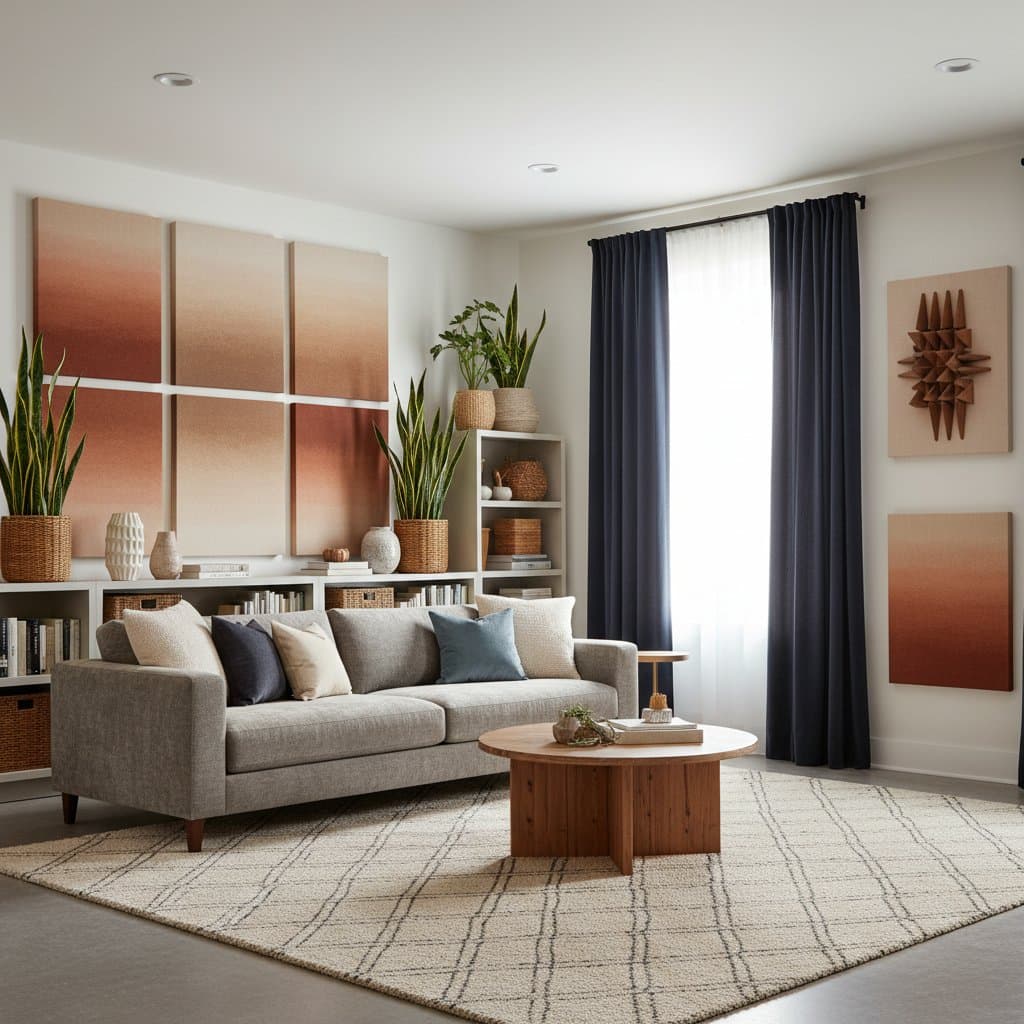
To mitigate echoes in open layouts, install freestanding dividers made from dense fabrics or wood. Bookshelves filled with varied-height volumes serve as natural diffusers, scattering sound waves effectively. For ceilings, opt for suspended baffles or cloud-like panels that interrupt upward reflections without altering height.
Window treatments play a pivotal role in blocking external intrusions. Layer heavy drapes over existing panes to dampen vibrations, or consider laminated glass upgrades that maintain views while insulating against urban clamor. During new builds or remodels, consult professionals to embed these features seamlessly, avoiding future disruptions.
Selecting Materials for Effective Noise Reduction
Choose materials based on their sound absorption coefficients, which measure how well they capture rather than reflect waves. Fabrics like wool rugs or velvet cushions excel at low frequencies from voices and appliances. For higher pitches, such as children's play, cork underlays beneath flooring provide resilient damping.
Acoustic panels, available in fabric-wrapped or perforated wood forms, mount easily on walls to target specific zones. In media rooms, place them behind speakers to prevent reverb; in nurseries, align them opposite play areas to soften cries. These versatile options blend with decor, using neutral tones or custom patterns.
For structural enhancements, blown-in cellulose insulation fills wall cavities, offering superior performance over fiberglass in residential settings. Seal gaps around outlets and switches with acoustic caulk to eliminate flanking paths where sound leaks through. Test combinations by clapping in treated versus untreated rooms to quantify improvements.
Budgeting for Acoustic Upgrades
Tailor solutions to financial parameters while maximizing outcomes. Low-cost options under $200 include adding throw pillows, area rugs, and window quilts, which collectively reduce ambient noise by 10-15 decibels. These yield noticeable calm in living areas without tools or expertise.
Mid-range investments, around $500 to $1,000, involve custom panels or door sweeps. Install peel-and-stick foam strips along baseboards to curb floor-to-wall transmissions, ideal for apartments with shared floors. Track expenses by prioritizing high-traffic zones first.
Higher budgets accommodate comprehensive fixes like resilient channels under drywall, costing $2,000 or more per room. These decouple surfaces to block impact sounds from above. A tiered approach ensures progressive gains, with each layer building on the last for layered defense.
| Solution Type | Estimated Cost | Expected Reduction | Ideal Applications |
|---|---|---|---|
| Fabric Additions | $50-$300 | 5-10 dB | Living rooms, bedrooms |
| Wall Panels | $200-$800 | 15-25 dB | Home offices, playrooms |
| Insulation Additions | $500-$1,500 | 20-30 dB | Shared walls, attics |
| Window/Door Seals | $300-$1,000 | 15-25 dB | Street-facing facades |
Navigating Regulations and Environmental Factors
Verify local requirements before undertaking modifications. Non-invasive additions like panels rarely need approvals, but cavity insulation or glazing changes often do. Review zoning ordinances online or at municipal offices to confirm standards for sound transmission class ratings.
Engage certified installers for compliance, particularly in condominiums where neighbor approvals may apply. Energy-efficient windows, for instance, must align with regional incentives or restrictions. This proactive step prevents fines and ensures longevity.
Adapt choices to climate specifics. In coastal regions, select mold-resistant foams; in arid zones, prioritize anti-static fabrics. Humidity levels influence material durability, so consult product specifications for suitability. These considerations extend the lifespan of investments.
Upkeep for Sustained Acoustic Benefits
Preserve effectiveness through routine care. Dust acoustic surfaces monthly with soft brushes to maintain absorption qualities. Rotate rugs quarterly to even wear and sustain performance.
Monitor for degradation by listening for returning echoes or measuring with free smartphone apps. Reapply sealants annually around frames and vents. Simple habits like these keep spaces serene year-round.
Implementing Your Acoustic Plan
Begin with a noise audit: walk through your home at different times, recording irritants on a checklist. Prioritize two to three areas, such as bedrooms or workspaces, for initial treatments. Source materials from reputable suppliers emphasizing eco-friendly options.
Layer interventions gradually—start with furnishings, add panels, then seal if needed. Involve family in the process to align on aesthetics and functionality. Measure progress with before-and-after recordings to celebrate reductions.
Ultimately, these strategies empower homeowners to craft environments that nurture rest and focus. A quieter home enhances sleep, productivity, and relationships, proving that subtle adjustments deliver profound peace.