
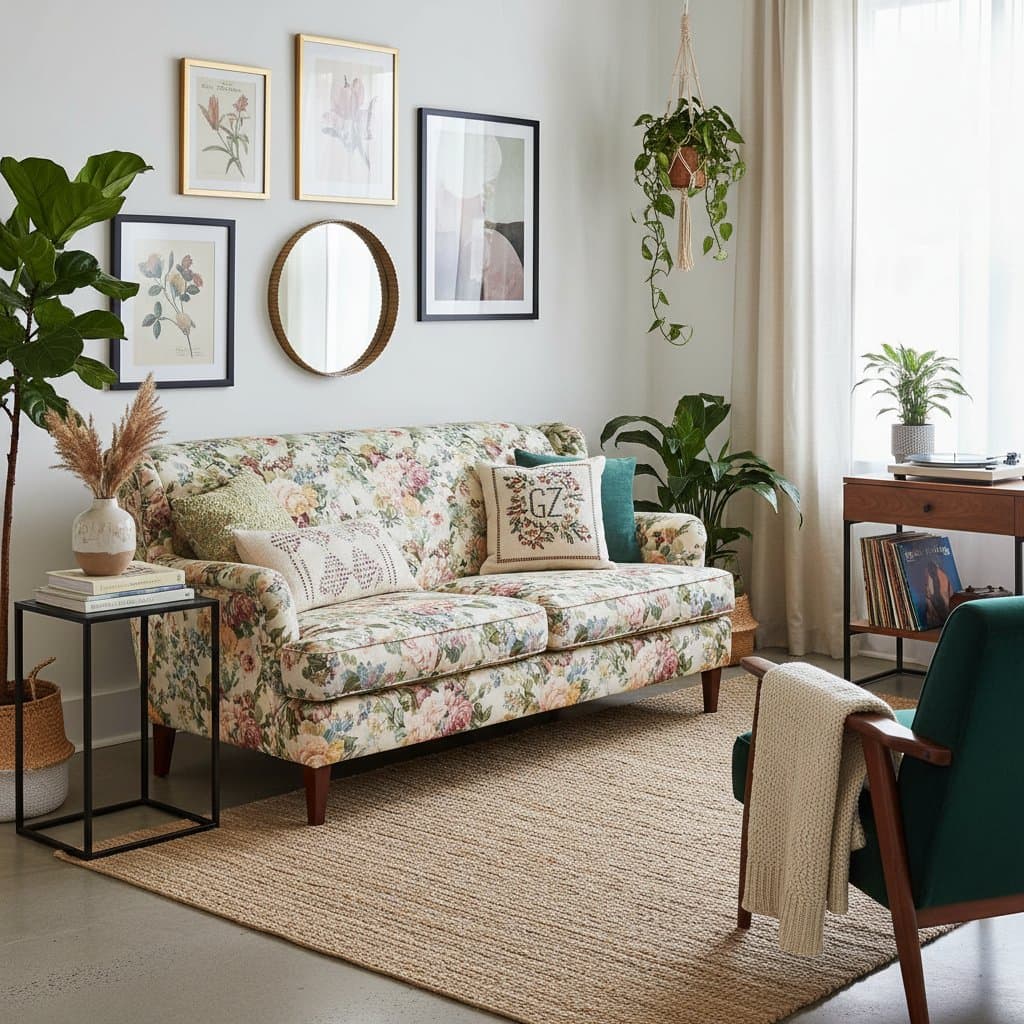
Gen Z's Nostalgic Spin on Grandmillennial Interiors
Young homeowners increasingly fill living rooms with floral sofas, embroidered pillows, and pleated lampshades. This aesthetic, reminiscent of a grandmother's sitting room, represents the latest interior design revival. Gen Z leads the embrace of Grandmillennial style, which merges nostalgic comfort with modern practicality.
The trend extends beyond mere antique collection or lace decoration. Individuals create spaces that feel personal, layered, and connected to memory, all while supporting daily functionality. Understanding the drivers behind this movement and methods to balance vintage and contemporary elements proves essential for integration into one's home.
What Defines a Grandmillennial Interior
Grandmillennial rooms feature layers of texture and a purposeful blend of design eras. The style evokes nostalgia without descending into clutter. It conveys a narrative through its emphasis on comfort and intentional selection.
Key characteristics include the following:
- Pattern-on-pattern layering: Combine florals, stripes, and plaids within a unified color scheme to create visual interest.
- Traditional furniture forms: Select wingback chairs, rolled-arm sofas, and skirted tables for structural foundation.
- Decorative trims: Incorporate tassels, pleats, and fringe to introduce softness and added dimension.
- Vintage accents: Use ceramic figurines, embroidered linens, and framed botanical prints as focal points for discussion.
- Colorful yet balanced palettes: Pair soft blues, greens, and pinks with neutrals to maintain visual ease.
- Sentimental elements: Integrate family heirlooms, thrifted artwork, and handmade pottery to infuse authenticity.
Balance remains crucial. A Grandmillennial space appears curated rather than overcrowded. Each item secures its position through superior quality, inherent charm, or personal significance.
Step-by-Step: Creating Your Own Grandmillennial Space
Capture nostalgic charm without transforming the home into a static exhibit by initiating small changes and progressing incrementally. This methodical process ensures sustainable adaptation.
1. Choose a Color Foundation
Establish a gentle base with shades such as cream, pale blue, or sage green. These hues complement traditional patterns and foster warmth without darkness. Opt for off-white or subdued tones over stark white to cultivate a serene environment.
2. Add Classic Patterns
Floral and toile fabrics form the core of this aesthetic. Integrate them alongside checks, plaids, or stripes while adhering to a cohesive color story. For those new to the style, introduce patterned throw pillows or curtains prior to larger commitments like wallpaper or upholstery.
3. Introduce Vintage Furniture
Seek durable secondhand items featuring classic silhouettes. A mahogany side table, vintage dresser, or carved mirror provides immediate stability to the room. In various locales, quality used pieces range from $50 to $300 based on condition and composition.
For those preferring contemporary options, explore reproductions that replicate traditional contours using updated materials for simplified upkeep. Inspect potential acquisitions for structural integrity, such as stable joints and even surfaces.
4. Layer in Textiles
Incorporate rugs, drapes, and throw blankets to enhance tactile appeal. Blend materials like linen, velvet, and cotton for varied depth. Position a patterned area rug beneath a straightforward sofa to anchor the composition.
5. Accessorize with Personality
Curate displays that narrate personal tales. Brass-framed family photographs, a flea market vase, or a handmade quilt contribute to the evocative atmosphere. Prioritize elements that reflect individual history over flawless presentation.
6. Balance with Modern Elements
Counteract potential heaviness by adding select contemporary features. A streamlined coffee table, understated lighting, or unadorned artwork tempers ornate aspects. Such integration renders the design accessible and versatile.
Regional Differences in Sourcing
Availability of premium vintage furniture differs significantly across locations. In rural or small-town settings, estate sales and community thrift outlets offer remarkable discoveries at modest costs, often under $100 for functional items.
Urban environments provide specialized vintage retailers with broader inventories, though prices reflect curation, typically 20 to 50 percent higher. In humid regions, examine wooden elements for signs of warping or mold; in arid zones, verify for splits or separations.
Conduct thorough cleaning and refinishing on all acquisitions to eliminate pests or scents. Online platforms bridge regional limitations, yet account for shipping expenses, which can double costs for bulky upholstered goods. Smaller accessories like lamps or artwork transport more economically, often under $50.
The Emotional Side of Nostalgic Design
This design philosophy addresses a profound yearning for solace and continuity. Younger residents gravitate toward arrangements evoking familial residences or unhurried eras. Amid pervasive digital interfaces, a textured, enveloping interior delivers stability.
Even unassuming sentimental artifacts hold substantial emotional resonance. A grandparent's teacup or thrifted cross-stitch links individuals to broader narratives. This depth distinguishes Grandmillennial design from trends centered solely on visual appeal.
Long-Term Value of a Grandmillennial Approach
Grandmillennial interiors endure beyond transient fads due to their commitment to artisanal skill and robust materials. Many components withstand decades of use with minimal intervention, such as annual dusting and occasional reupholstering.
From a market standpoint, properties exuding character attract purchasers seeking inviting atmospheres. While preferences for specific motifs vary, preserved vintage attributes and restored elements elevate perceived worth by 5 to 15 percent in comparable sales. Exercise restraint to appeal broadly.
Integrating Nostalgia into Daily Living
To embark on this stylistic journey, pinpoint the specific recollections or sentiments desired for the home environment, such as the warmth of a childhood kitchen or the sophistication of a historic library.
Proceed in phases, commencing with modest enhancements like patterned cushions or vintage-inspired framed pieces. As proficiency in combining textures and periods develops, advance to ambitious endeavors including custom wallpaper or furniture restoration.
Gen Z's interpretation of Grandmillennial design thrives on adaptability. It honors heritage while remaining relevant to contemporary lifestyles.