
Algorithm-Driven Facades Transforming Architecture Today
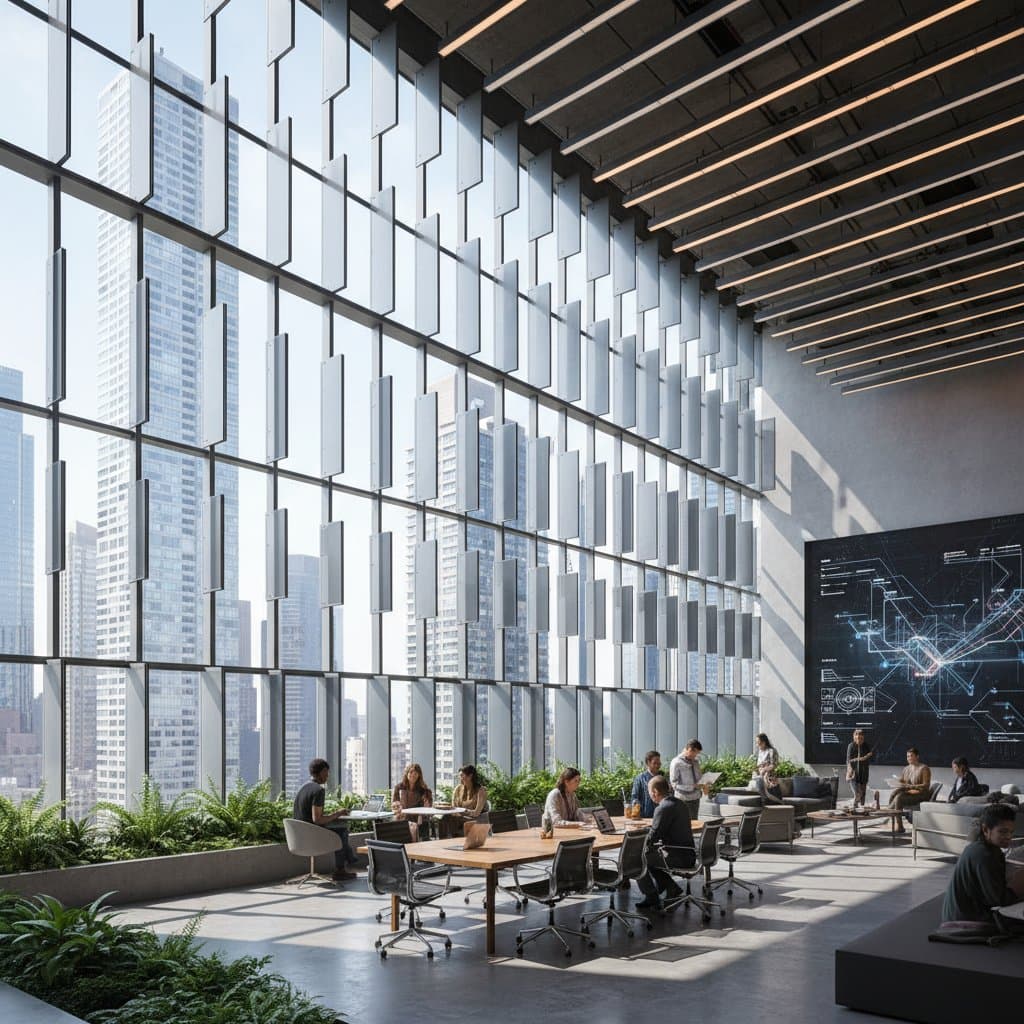
Walking past certain new buildings reveals surfaces that shift with the day's rhythm. Light plays across panels that tilt in response to the sun. Shadows move as if the structure itself reacts to its surroundings. This behavior stems from algorithm-driven design that integrates data with architectural form.
Evolution of Building Skins
Facades have long communicated purpose and era through materials and patterns. Current projects advance this tradition by embedding real-time responsiveness. Parametric systems apply rules to geometry so that surfaces adjust to light, wind, and temperature without manual intervention. The result merges visual appeal with measurable performance gains.
Designers set parameters such as solar angle thresholds or airflow targets. Software then generates multiple configurations that meet those constraints. Changes to one input update the entire pattern automatically. This method replaces static drawings with living models that evolve during planning.
Performance Gains Through Computation
Traditional envelopes often correct heat and glare issues after construction. Algorithmic facades address these factors during initial modeling. Simulations test how form and material interact with site conditions before fabrication begins.
Key applications include the following:
- Automated louvers that reposition according to hourly solar data and cut cooling loads.
- Optimized panel thickness calculated to meet structural needs while minimizing material volume.
- Aperture placement guided by daylight metrics to maintain even interior illumination.
- Operable vents aligned with wind patterns to support passive ventilation.
These steps lower operational energy, extend equipment life, and improve occupant conditions.
Creative Scope and Fabrication
Computational tools allow patterns drawn from natural structures to become precise, buildable elements. A digital model accepts variables such as temperature ranges or acoustic requirements. Iterations continue until both aesthetic and functional criteria are satisfied. Fabrication files then translate the approved geometry into cutting or forming instructions.
Documented Installations
Several completed projects illustrate the approach in different settings. Cultural venues use moving panels whose motion echoes events inside the space. Office towers employ skins that modulate transparency to manage daily heat and glare. Residential towers position shading elements to balance views and thermal comfort per unit. Public structures incorporate surfaces that redirect wind for cooling and acoustic effects.
Practical Considerations
Implementation requires coordination among architects, engineers, and software specialists. Models undergo structural and code verification. Moving components add maintenance planning. Initial costs rise with specialized tools, yet material savings and energy reductions often offset expenses over time. Simplified versions such as modular screens or electrochromic glazing deliver similar benefits on smaller budgets.
Selecting Project Goals
Clear objectives guide parameter choices. Teams focused on energy reduction emphasize solar and ventilation rules. Those seeking visual distinction prioritize pattern variation within performance limits. Early definition of priorities keeps complexity aligned with intended outcomes.
Responsive Structures in Daily Use
Cities gain texture when buildings register environmental shifts. Occupants experience steadier comfort and reduced mechanical dependence. The same systems that deliver these efficiencies also create surfaces that register movement and light in ways that feel organic. Developers who assemble experienced teams and state precise targets can integrate this capability into projects of varying scale.