
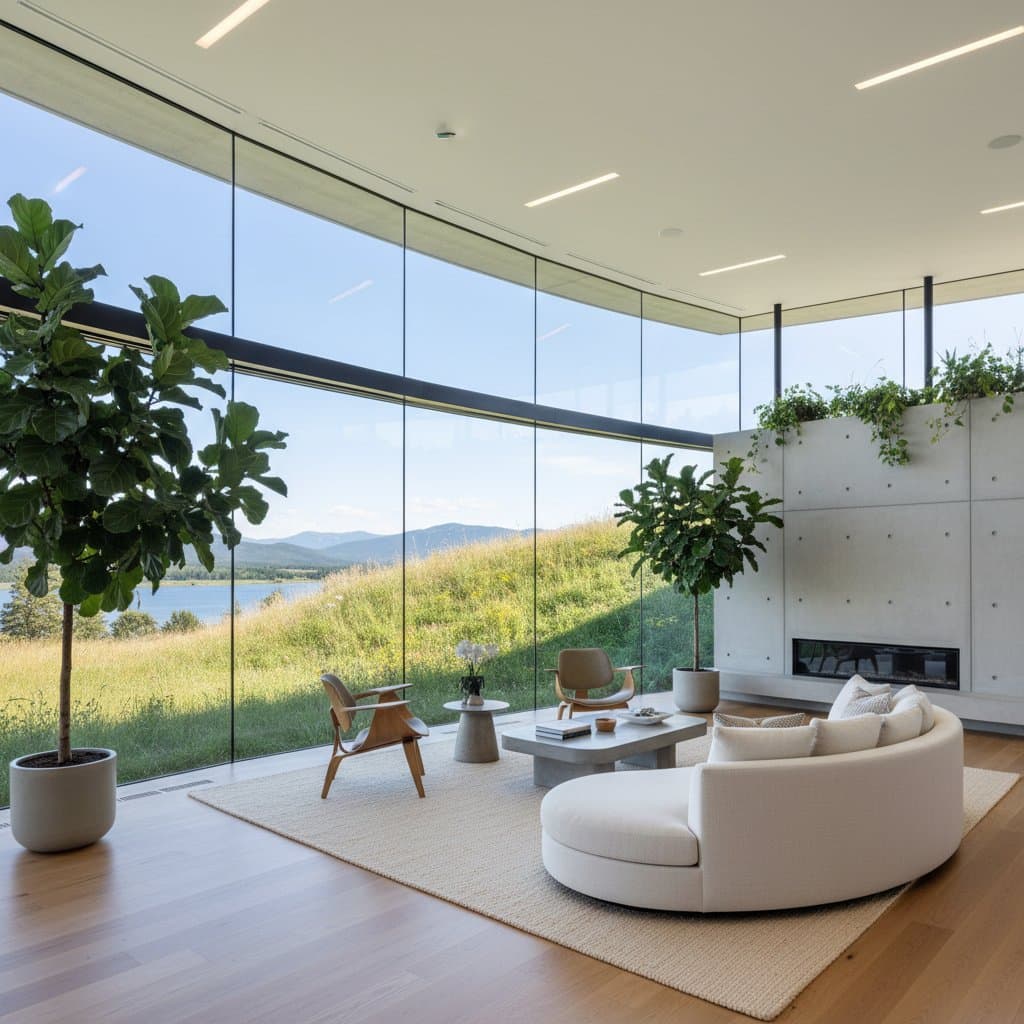
Earth-Sheltered Homes: Redefining Sustainable Luxury
Picture entering a residence where tranquility prevails, temperatures remain steady, and utility expenses stay minimal. Homeowners increasingly discover these advantages in earth-sheltered homes, structures partially or fully embedded in the ground. Previously viewed as unconventional, these bermed or underground dwellings now represent innovative luxury that harmonizes with the environment.
The Rising Appeal of Earth-Sheltered Architecture
Common misconceptions depict earth-sheltered homes as dim or confined, yet contemporary iterations dispel such notions. Architects incorporate expansive glazing, natural stone elements, and fluid floor plans to foster luminous, spacious interiors. These features ensure the homes integrate seamlessly with their surroundings while prioritizing occupant well-being.
The primary attraction lies in their thermal performance. The surrounding soil acts as a thermal mass, maintaining interior temperatures between 50 and 60 degrees Fahrenheit regardless of external conditions. This stability minimizes reliance on HVAC systems, yielding annual energy savings of 50 to 90 percent compared to above-ground equivalents. Additionally, the design dampens external noise, creating serene havens ideal for relaxation or focused work.
Key Distinctions in Earth-Sheltered Designs
Earth-sheltered homes vary by the extent of soil coverage, influencing light access and construction methods. Bermed variants rest on grade with earth mounded against one or more walls, preserving panoramic views. Fully underground models, often organized around an atrium, maximize enclosure while channeling daylight inward.
Shared advantages include superior energy conservation through passive heating and cooling. The earth barrier also shields against auditory disturbances, with sound reduction levels reaching 30 to 50 decibels. Furthermore, these structures withstand severe weather, from high winds to wildfires, by leveraging the ground's protective mass. Owners value the unobtrusive profile that enhances site privacy and ecological integration.
Steps to Construct an Earth-Sheltered Home
Prospective builders must approach the project with meticulous preparation to avoid common pitfalls. Site selection forms the foundation, favoring south-facing slopes with stable geology to optimize solar gain and drainage. Geotechnical assessments, costing 1,000 to 5,000 dollars, identify soil composition and groundwater levels early.
Engage specialists versed in subterranean engineering. Certified architects and contractors adept in reinforced concrete and geosynthetic liners ensure compliance with load-bearing demands. Ventilation strategies, such as heat recovery units, maintain indoor air quality by exchanging stale air without energy loss.
Illuminate interiors strategically with clerestory windows or light tubes that capture overhead sunlight. Waterproofing demands layered defenses: rubberized membranes, dimpled drainage boards, and perimeter French drains divert moisture effectively. Construction timelines extend 20 to 30 percent beyond standard builds due to phased excavation and backfilling, with budgets typically 10 to 20 percent higher for a comparable footprint.
Evaluating Advantages and Drawbacks
A balanced assessment reveals the trade-offs inherent in earth-sheltered living.
Advantages:
- Substantial reductions in heating and cooling expenses, often recouping premiums within 10 years.
- Acoustic isolation that blocks urban clamor or rural winds.
- Resilience to natural disasters, including tornadoes and earthquakes, with minimal surface exposure.
- Durable exteriors requiring infrequent repainting or siding repairs.
- Organic integration with landscapes, fostering biodiversity through green roofs.
Drawbacks:
- Elevated upfront investments, ranging from 200 to 300 dollars per square foot.
- Scarcity of local expertise, necessitating travel for consultations.
- Risks of condensation if ventilation falters, demanding vigilant monitoring.
- Niche real estate market, potentially prolonging sales in conservative regions.
Those prioritizing enduring efficiency and seclusion often find the pros outweigh the challenges.
Essential Planning and Maintenance Factors
Regulatory hurdles differ by jurisdiction; coastal zones may impose seismic reinforcements, while rural areas focus on erosion controls. Secure permits by submitting hydrological studies and structural analyses upfront to streamline approvals.
Post-construction care emphasizes proactive measures. Annual checks of sealant integrity and sump pumps prevent water ingress. Integrate native vegetation in berms to bolster soil retention and evapotranspiration, reducing irrigation needs by half.
Experiencing Daily Life in an Earth-Sheltered Home
Residents report a profound sense of equilibrium from the stable microclimate, eliminating seasonal discomforts like sweltering attics or chilly basements. The enveloped quietude promotes mindfulness, with many noting improved sleep and productivity.
This architectural choice suits individuals seeking harmony with nature, delivering opulent simplicity without ostentation.
Advancing Toward Your Earth-Sheltered Project
To proceed, tour established installations via open houses or virtual walkthroughs to gauge livability. Consult certified professionals for site-specific feasibility studies, budgeting for custom modeling software that simulates energy performance.
Collaborate with a design team to tailor the layout to your terrain and preferences. Through deliberate execution, an earth-sheltered home emerges as a resilient sanctuary, embodying sustainable elegance attuned to the earth's rhythms.