
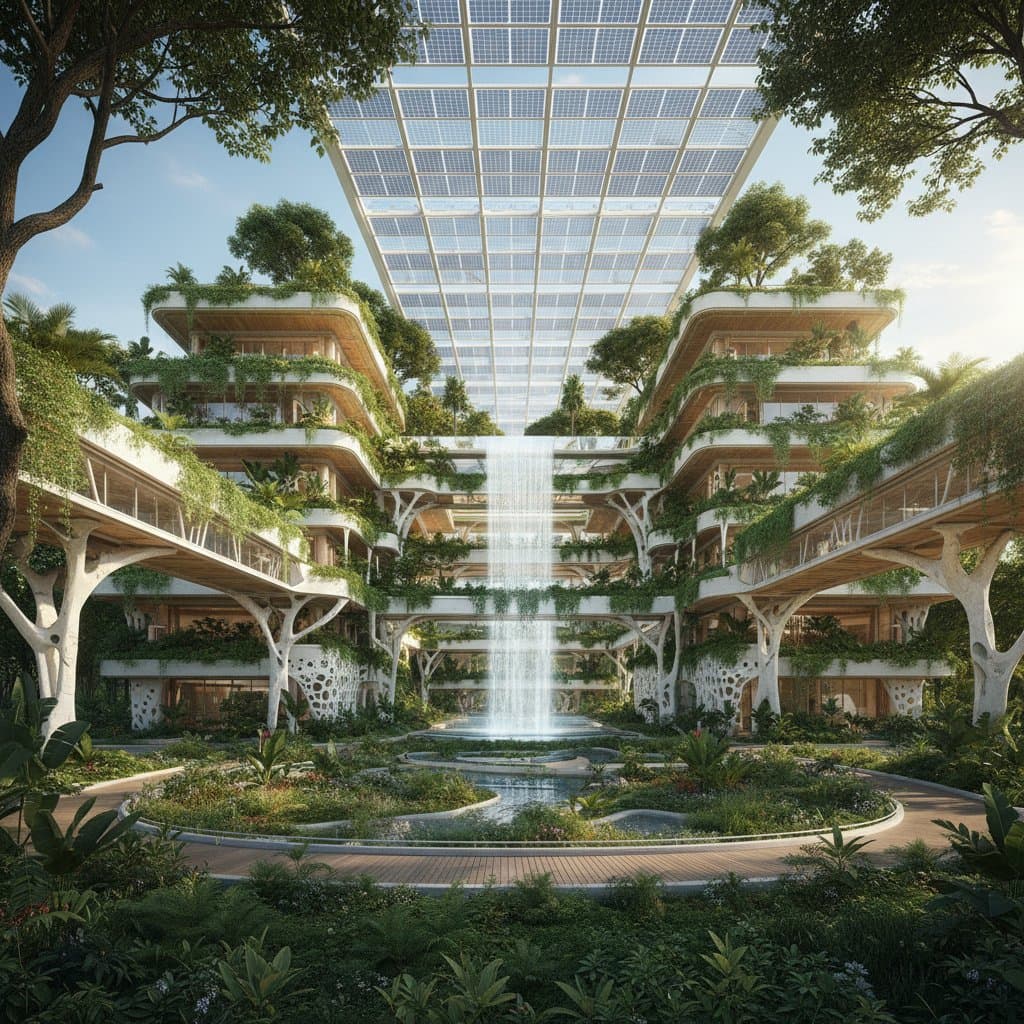
The Power of Regenerative Architecture
Certain buildings integrate seamlessly with their surroundings, appearing to respire, adjust, and contribute positively to the local environment. Regenerative architecture embodies this principle, advancing beyond mere sustainability to actively restore, rejuvenate, and enrich the ecosystems they influence. These designs minimize negative impacts while amplifying ecological and human benefits.
Homeowners, developers, and architects increasingly seek structures that purify air, generate energy independently, and promote occupant health. This approach addresses pressing environmental challenges and elevates living standards. Examine the principles of regenerative architecture, its significance, and practical ways to incorporate it into construction projects.
Principles of Regenerative Design
Regenerative design integrates buildings into natural systems, viewing each structure as an interconnected element rather than an isolated entity. Architects achieve this through targeted strategies that align human needs with ecological processes. Key focus areas include the following:
-
Energy Generation
Regenerative buildings produce surplus energy using integrated solar photovoltaic arrays, small-scale wind turbines, or geothermal heat pumps. Excess power often charges on-site batteries or feeds into community microgrids, ensuring self-sufficiency and surplus contribution. -
Water Restoration
Systems capture rainwater via extensive roof surfaces, recycle greywater through biological filtration, and employ vegetated roofs to mitigate stormwater runoff. Advanced setups treat collected water to potable standards, replenishing aquifers or local waterways with improved quality. -
Carbon Sequestration
Construction incorporates carbon-absorbing materials such as engineered timber, hemp-based concrete, or mycelium composites. These choices not only offset embodied emissions but also yield net-positive carbon storage over the building's lifecycle. -
Occupant Health Optimization
Passive ventilation strategies, abundant natural daylighting, and low-emission interior finishes create salubrious indoor atmospheres. Such environments lower cortisol levels, enhance cognitive performance, and promote restorative sleep patterns. -
Biodiversity Enhancement
Green roofs, vertical gardens, and site-specific native plantings establish habitats for pollinators, avian species, and microbial communities. These features counteract habitat fragmentation and elevate local ecological resilience.
Implementing Regenerative Principles
Individuals planning new constructions or renovations can adopt regenerative strategies without overhauling existing plans. This section outlines a structured approach to integrate these elements effectively. Begin with foundational assessments and progress to detailed executions.
Assess the Site Thoroughly
Conduct a comprehensive site analysis before any design work commences. Evaluate solar exposure patterns, prevailing wind directions, soil composition, and natural drainage pathways. Observe existing vegetation and hydrological flows to ensure the design harmonizes with inherent site characteristics rather than imposing artificial constraints.
Select Low-Impact Materials
Prioritize regionally sourced, renewable resources that sequester carbon during growth and use. Opt for cross-laminated timber from sustainably managed forests, rapidly renewing bamboo structural elements, or hempcrete for insulation. Incorporate salvaged wood and recycled steel to minimize extraction demands and transportation emissions.
Integrate Renewable Energy Sources
Install photovoltaic panels on south-facing roofs or ground-mounted arrays, supplemented by vertical-axis wind turbines in suitable locations. Pair these with lithium-ion or flow battery storage to manage intermittent supply. Connect to localized microgrids where feasible, enabling energy sharing and reducing reliance on fossil fuel grids.
Optimize Water Management
Deploy cisterns for rainwater harvesting, directing flows to subsurface infiltration systems or dual-plumbing for non-potable uses. Implement constructed wetlands or biofilters for greywater treatment, supporting landscape irrigation. Vegetated roofs not only detain stormwater but also moderate urban heat islands through evaporative cooling.
Prioritize Durability and Flexibility
Engineer structures with modular components that facilitate repairs, expansions, or reconfigurations. Select enduring finishes like lime-based plasters over synthetic alternatives that degrade rapidly. This emphasis on longevity reduces resource consumption and waste generation over decades.
Incorporate Biophilic Elements
Introduce indoor greenery through vertical gardens or atrium plantings to purify air via phytoremediation. Maximize daylight penetration with clerestory windows and light shelves, while installing operable glazing for cross-ventilation. These features foster psychological connections to nature, alleviating urban isolation.
Anticipate Adaptability
Design with foresight for technological advancements and shifting societal demands. Include conduit pathways for future wiring upgrades and flexible partitioning systems. Such adaptability ensures the building remains relevant and efficient amid evolving climates and regulations.
Benefits and Considerations
Regenerative architecture presents compelling advantages alongside practical hurdles. Understanding both informs informed decision-making.
Key Advantages
- Reduced operational expenses via superior energy and water efficiency
- Enhanced indoor environmental quality, including superior air purity and thermal comfort
- Strengthened regional biodiversity and ecosystem services
- Mitigation or inversion of greenhouse gas contributions
- Increased asset value through resilience to environmental stressors
Potential Drawbacks
- Elevated initial investments in specialized materials and technologies
- Extended timelines for intricate engineering and regulatory approvals
- Scarcity of qualified practitioners in emerging markets
- Requirements for vigilant upkeep of dynamic features like living facades
Strategic partnerships with experienced consultants mitigate these obstacles. Long-term savings and qualitative gains typically surpass preliminary investments.
Real-World Applications
Regenerative principles manifest in diverse scales, from residential dwellings to institutional facilities. Consider a net-energy-positive residence in the Pacific Northwest that harnesses rooftop solar and ground-source heat to export power annually. Urban offices in Europe feature facade-integrated algae bioreactors that sequester CO2 while shading interiors.
Community centers in arid regions employ permaculture-inspired landscapes to regenerate soil and recharge groundwater. These implementations demonstrate scalability and efficacy across contexts. Observable outcomes, such as thriving wildlife corridors and measurable air quality improvements, validate the approach.
Advancing Your Regenerative Project
Initiate transformation through incremental actions. Retrofit interiors with natural-fiber carpets and low-VOC paints to immediately benefit health. Landscape with indigenous species to bolster pollinator populations and sequester soil carbon.
For substantial endeavors, consult certified professionals versed in life-cycle assessments and cradle-to-cradle methodologies. Request simulations of energy performance and material passports for transparency. Informed selections amplify the structure's capacity to nurture both inhabitants and surroundings.
Regenerative architecture cultivates symbiotic relationships among humans, landscapes, and global systems. Each deliberate choice in design and maintenance contributes to enduring vitality. Pursue these practices to construct environments that sustain and inspire generations ahead.