
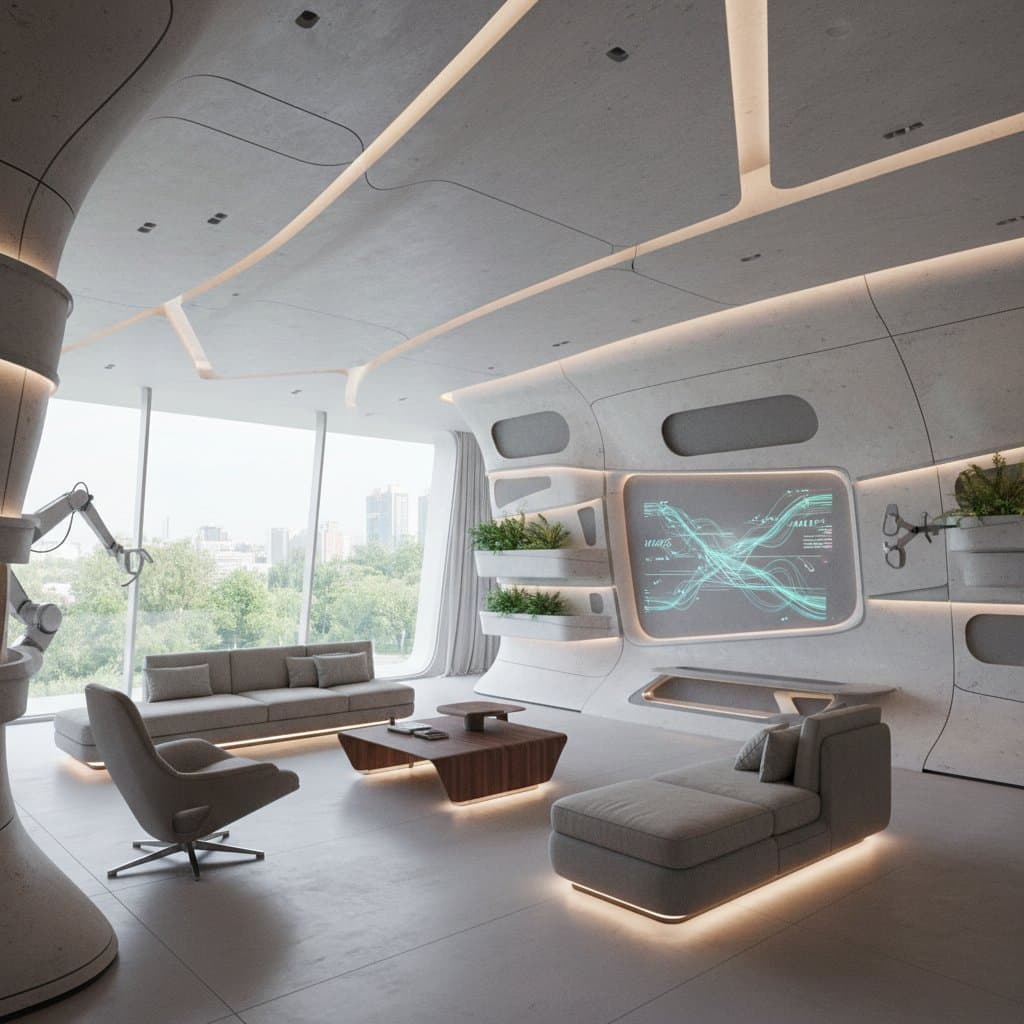
Future Homes: Algorithms Crafting Parametric Living in 2026
Imagine a residence where walls curve gently to capture optimal sunlight or partitions shift to accommodate family movements. Such dynamic structures emerge from parametric design, a method that integrates algorithms to produce homes responsive to environmental factors and occupant routines. This approach moves beyond conventional blueprints, enabling residences that evolve with daily life.
For individuals considering new construction, renovations, or interior updates, parametric design offers transformative potential. It prioritizes functionality over mere aesthetics, fostering spaces that enhance efficiency, sustainability, and personalization. As this technology advances, parametric homes represent a practical evolution in residential architecture.
What Makes Parametric Living Different
Conventional architecture relies on static sketches and uniform dimensions, limiting adaptability. Parametric design, however, employs data inputs and computational algorithms to shape every element dynamically. Consequently, residences can modify configurations based on real-time usage patterns.
Consider automated window systems that alter angles to regulate natural light or modular kitchen counters that rearrange for frequent tasks. These features arise from predefined parameters embedded in the design software. Key inputs include daily sunlight trajectories, ventilation requirements, occupancy flows, and energy consumption profiles.
Architects input these variables into specialized programs, which evaluate numerous iterations rapidly. This process selects configurations that align precisely with individual requirements, ensuring both practicality and innovation.
The Role of Algorithms in Home Design
Algorithms in architecture function as systematic protocols that direct computational analysis of design variables. They process complex datasets to inform structural decisions, bridging technology and built environments.
Specifically, these algorithms perform several critical tasks:
- Evaluate environmental factors such as wind patterns, solar exposure, and terrain gradients.
- Produce adaptive geometries that harmonize with site-specific conditions.
- Determine material allocations to minimize excess and enhance performance.
- Model occupant interactions to predict spatial utilization.
This methodology yields structures that balance utility and versatility while curtailing manual inaccuracies. It also unlocks intricate forms unattainable through traditional drafting techniques.
Why You Might Want a Parametric Home
Parametric residences deliver tangible improvements in everyday functionality. Their data-informed foundations address common homeowner priorities effectively.
1. Enhanced Energy Efficiency
Strategic placement of fenestrations, barriers, and vents maximizes passive solar gain and reduces thermal escape. Homeowners benefit from decreased utility expenses and diminished environmental impact over time.
2. Tailored Comfort
Designs reflect personal routines, positioning elements to facilitate preferred activities. For example, a dedicated alcove might optimize morning routines, while flexible workspaces adapt to professional demands.
3. Distinctive Aesthetics
Each project emerges uniquely from its context and specifications, avoiding generic outcomes. This results in residences that embody individual identity without contrived originality.
4. Enduring Flexibility
Digital frameworks allow seamless modifications as circumstances evolve. Updates require minimal physical intervention, supporting phased expansions or reconfigurations.
The Challenges You Should Expect
Adopting parametric design involves navigating certain obstacles. Awareness of these issues aids informed decision-making.
Initial expenses exceed standard methods due to advanced software and expert involvement, potentially increasing costs by 10 to 20 percent. Construction demands skilled teams familiar with irregular geometries, which may restrict available contractors. Additionally, clients accustomed to linear processes face a steeper adjustment to iterative, data-centric workflows.
Nevertheless, sustained reductions in operational and upkeep expenses frequently justify the preliminary investment. Selecting experienced professionals mitigates many complications.
How the Design Process Works
Engaging parametric design follows a structured, collaborative sequence distinct from routine procedures.
Step 1: Data Collection
Professionals compile site-specific details, including solar paths, prevailing winds, and geotechnical properties. Parallel inquiries explore lifestyle elements, such as daily schedules and spatial preferences.
Step 2: Defining Parameters
Designer and client establish objectives, translating desires like amplified daylight or acoustic isolation into algorithmic directives.
Step 3: Iteration Generation
Software produces varied prototypes compliant with parameters, displaying impacts on budget, performance, and visual appeal.
Step 4: Iterative Refinement
Selections undergo collaborative tweaks, incorporating nuanced adjustments for optimal results.
Step 5: Fabrication Execution
Approved models transfer to construction teams, who utilize digital blueprints for accurate assembly.
This workflow accelerates ideation through automation, often shortening overall timelines compared to manual alternatives.
Cost and Time Considerations
Expenses for parametric projects fluctuate based on scope and innovations.
Design fees typically constitute 8 to 15 percent of the total budget, reflecting computational modeling demands. Fabrication may incorporate techniques like additive manufacturing or off-site assembly, elevating material costs yet streamlining on-site work.
Timelines vary: ideation phases progress swiftly, but custom elements extend production durations. Precision in planning, however, curtails common construction setbacks.
Budget-conscious options exist, such as applying algorithms selectively to critical systems like shading mechanisms while retaining conventional frameworks elsewhere.
Permits, Safety, and Regulations
Parametric structures adhere rigorously to jurisdictional standards. Digital submissions replace paper plans, detailing compliance comprehensively.
Architects ensure models encompass structural analyses, coordinating with certified engineers for validation. Inspectors versed in innovative builds review proposals to confirm adherence.
Fundamentally, these homes uphold identical safety protocols as established designs, prioritizing occupant protection through verified engineering.
Materials and Sustainability
Algorithms optimize resource deployment, specifying precise quantities of elements like reinforcement or lumber to eliminate surplus. Integration of eco-friendly options, such as engineered timber or reclaimed aggregates, amplifies environmental benefits.
Modular components facilitate future enhancements, enabling panel swaps or system integrations without extensive disruption. This approach sustains relevance amid evolving standards and technologies.
Realistic Expectations
Parametric design demands diligent preparation rather than instantaneous results. Clients invest additional effort in initial consultations to articulate data needs and visions.
Engaging computational specialists proves essential, as does equipping builders with suitable equipment. The outcome—a bespoke environment attuned to personal and ecological dynamics—justifies the commitment.
Everyday Examples of Parametric Design
Parametric principles already influence accessible applications. Adaptive seating conforms to ergonomic needs, while automated louvers modulate interior climates.
Exterior systems, like responsive cladding, adjust to mitigate solar intensity. Extending these concepts to full-scale residences advances toward comprehensive adaptability.
Bringing Parametric Design to Your Project
To initiate a parametric endeavor, seek architects proficient in digital fabrication tools. Begin with targeted applications, such as algorithmic optimization for an addition or envelope upgrades.
As adoption grows, accessibility improves, lowering barriers for broader implementation. Residences equipped with intuitive responses—ventilating on demand or balancing illumination—elevate daily experiences while conserving resources.
Embracing this methodology positions architecture as an evolving partner, attuned to individual rhythms and broader imperatives.