
Unveiling Hidden Beauty: Deconstructed Design for 2026 Homes
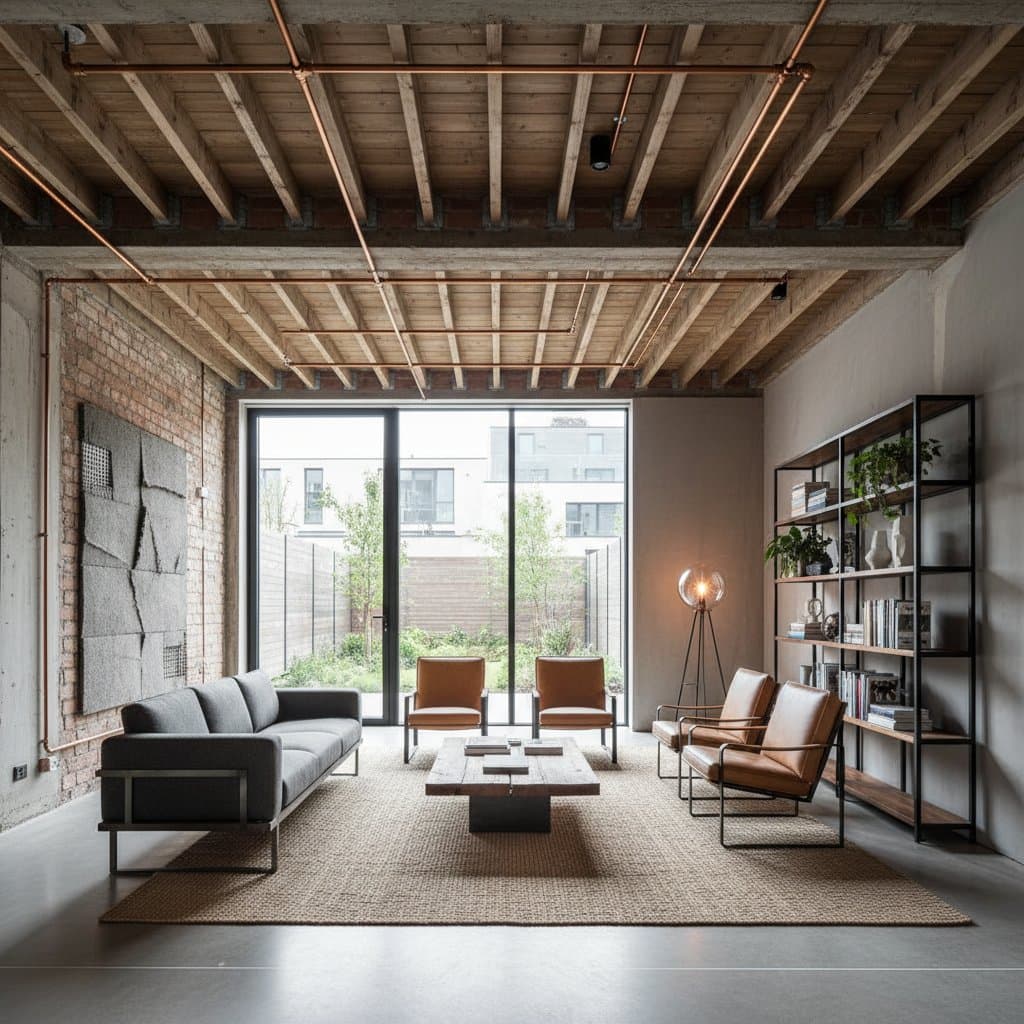
Deconstructed design captures the essence of authenticity in interior spaces. By stripping away layers of finishes, this trend reveals the raw structure of a home, turning elements such as beams, pipes, and concrete into celebrated features. For 2026, it represents a shift toward transparency and craftsmanship, appealing to those who value genuine materials over ornate coverings.
This style draws from industrial roots while embracing contemporary minimalism. Homeowners appreciate how it creates an open, airy atmosphere that highlights architectural integrity. As urban living evolves, deconstructed design offers a way to honor a building's history or celebrate new construction without excess.
Understanding the Core Elements
At its heart, deconstructed design focuses on exposure. Walls may show unfinished brick or plaster, ceilings display ductwork, and floors reveal polished concrete. These choices emphasize texture and form, creating visual interest through contrast.
Select materials that align with your home's character. For instance, reclaimed wood beams add rustic warmth, while galvanized metal pipes introduce sleek modernity. The key lies in intentional selection to avoid a haphazard appearance.
Professionals often recommend starting with an assessment of your space's structural safety. Consult architects or contractors to ensure exposed elements meet building codes and pose no hazards.
Cost Considerations
Implementing deconstructed design varies in expense based on scope and existing conditions. Minor updates provide an accessible entry point, while comprehensive transformations demand greater investment.
- Accent features: Exposing a single wall or beam typically costs $500 to $3,000. This includes basic removal of finishes and minor sealing.
- Room-scale changes: Revealing multiple elements in one area might range from $2,000 to $8,000, factoring in utility adjustments.
- Whole-home overhaul: Full exposure across living spaces can exceed $10,000 to $50,000 or more, depending on square footage and complexities like asbestos removal.
Labor from specialists adds to the total. Electricians ensure visible wiring complies with safety standards, often at $100 to $150 per hour. HVAC experts may reroute pipes, contributing another $1,000 to $5,000.
New construction presents opportunities for savings. Integrate exposed elements during the build phase to avoid demolition costs, potentially reducing expenses by 20 to 40 percent. In renovations, budget extra for inspections and unforeseen repairs, such as reinforcing weakened beams.
Project Timelines
Timeframes depend on the project's scale and any regulatory hurdles. Plan accordingly to minimize disruption.
- Quick accents: Simple exposures, like revealing one beam, require one to two weeks, including prep and finishing touches.
- Moderate renovations: Updating a room involves three to six weeks, allowing for utility work and code approvals.
- Extensive redesigns: Transforming an entire floor or home extends to two to six months, especially if structural assessments reveal issues.
Factor in permitting delays, which can add weeks in regulated areas. Coordinate with contractors early to align schedules and avoid peak seasons when labor is scarce.
Balancing Raw Aesthetics with Everyday Comfort
Deconstructed design thrives on raw appeal, yet it must support comfortable living. The challenge involves softening industrial edges without undermining the style's integrity.
Incorporate complementary elements to temper starkness. Pair exposed concrete floors with plush area rugs in neutral tones for tactile warmth. Drape linen or velvet curtains over metal-framed windows to add softness and privacy.
Lighting plays a crucial role in mood setting. Opt for layered options: pendant fixtures with warm LED bulbs (around 2700K) to offset cool metal hues, combined with table lamps for intimate corners.
Maintain visual equilibrium by mixing textures strategically. Retain smooth, painted walls in high-traffic zones to prevent sensory overload. Introduce greenery through potted ferns or wall-mounted planters, which infuse life and humidity control.
If the space feels overly austere, experiment with subtle additions. Layer throw pillows on built-in benches or hang textured wall art to enhance depth without clutter.
Sustainable and Practical Advantages
This design philosophy aligns with eco-conscious living by minimizing material use. Forgo unnecessary drywall, paints, and synthetic trims to cut waste and lower embodied carbon footprints.
Exposed surfaces often demand less upkeep initially. Polished concrete resists stains better than carpet, and sealed brick repels dust. Over time, apply eco-friendly maintenance: use low-VOC sealants on wood and natural cleaners on metals to preserve air quality.
Sustainability extends to resource efficiency. Visible structures highlight energy pathways, encouraging upgrades like insulated ducts that reduce utility bills by up to 15 percent.
On a practical level, the style promotes mindful habitation. Seeing a home's bones fosters appreciation, leading to durable choices over frequent redecorating. It also suits flexible layouts, as open frameworks adapt easily to evolving needs.
Steps to Implement Deconstructed Design
Begin with a vision that suits your lifestyle. Sketch mood boards featuring desired exposures and color palettes to guide decisions.
- Assess feasibility: Hire an inspector to evaluate structural elements for safety and viability.
- Select focus areas: Target high-impact zones like kitchens or living rooms for initial changes.
- Source materials: Choose finishes that enhance rather than hide, such as matte sealants for metals.
- Engage experts: Collaborate with designers and tradespeople experienced in adaptive reuse.
- Test and refine: Install temporary elements, like removable panels, to preview the effect.
Monitor progress with regular check-ins to adjust for comfort. Document the process through photos to track evolution and inspire future tweaks.
Embracing Authenticity in Your Space
Deconstructed design invites a profound connection to your home's foundation. It transforms potential eyesores into assets, fostering spaces that feel enduring and personal.
Beyond trends, this approach underscores values of honesty and resilience. Homeowners report heightened satisfaction from environments that reflect true character, blending form with function seamlessly.
With thoughtful execution, your interior becomes a testament to innovative living. Revel in the beauty of what lies beneath, creating a sanctuary that evolves with intention.