
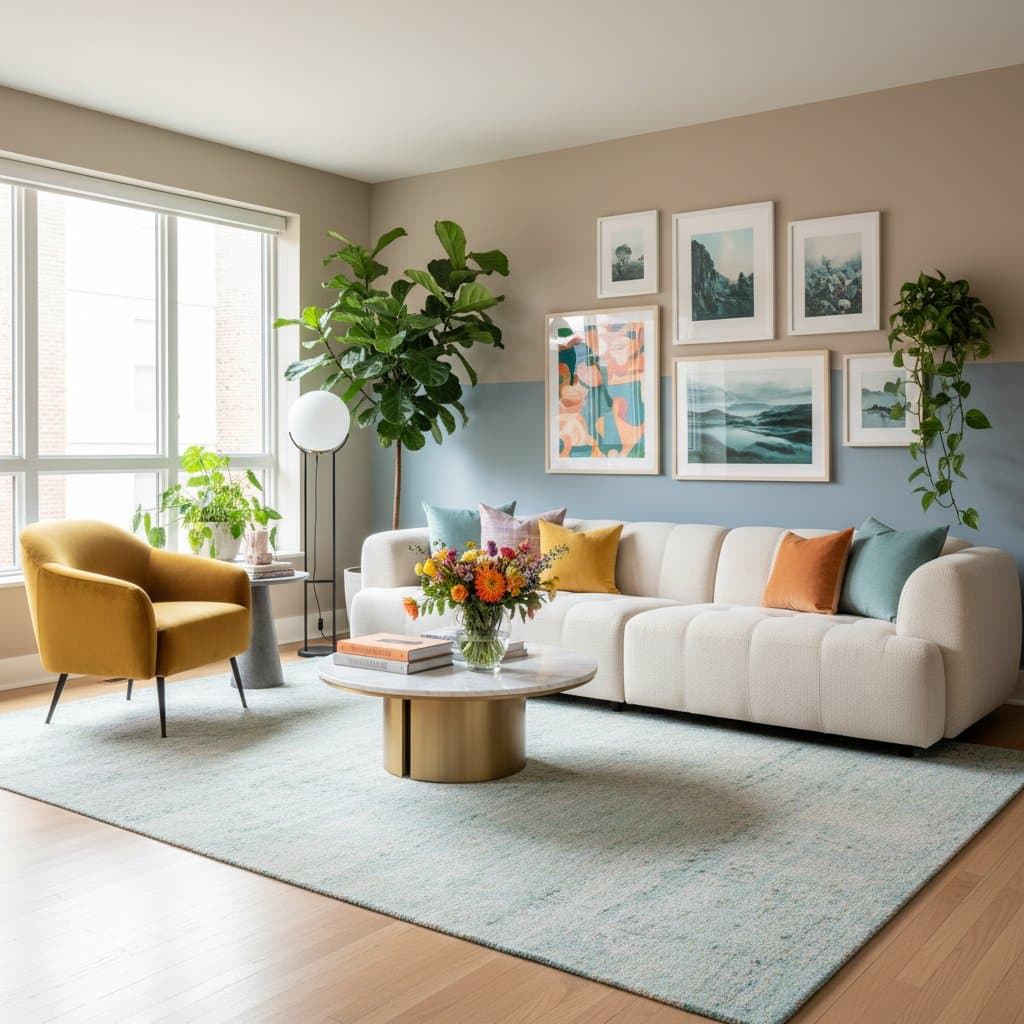
Color Psychology Powers Dopamine Decor Magic
You enter a room and immediately sense a lift in your spirits, a surge of energy, or a subtle increase in happiness. Such reactions often stem not from the furniture or arrangement alone, but from the colors that surround you. The hues on walls, upholstery, or fabrics influence dopamine release in the brain, the neurotransmitter associated with pleasure and motivation. Designers increasingly refer to this approach as dopamine decor.
When a home appears lackluster or uninspiring, the remedy may lie beyond extensive renovations or costly furnishings. Simple interventions, such as applying a new layer of paint or introducing vibrant accents, can evoke positive emotions. Knowledge of color psychology equips individuals to craft environments that elevate mood and foster a deeper connection to living spaces.
This guide explores the mechanics of dopamine decor, identifies hues that enhance energy or promote tranquility, and provides strategies for implementation that remain practical and economical.
How Color Affects Mood and Energy
Color psychology examines the impact of various hues on emotions and behaviors. Intentional application of colors can alter perceptions of space, making rooms appear more expansive, intimate, soothing, or dynamic. The following outlines key associations for common colors:
- Red: Energizing and assertive, this color elevates heart rate and vitality. Limit its use to prevent overstimulation; it suits dining rooms or studios where activity thrives.
- Yellow: Connected to cheerfulness and cordiality, yellow infuses spaces with optimism. Position it in kitchens or foyers to create an inviting atmosphere.
- Blue: Renowned for serenity, blue facilitates relaxation and concentration. Select it for bedrooms or workspaces demanding calm.
- Green: Harmonizes vigor with peace, evoking natural settings to alleviate tension. This versatile shade fits living rooms or any area seeking equilibrium.
- Pink: Gentle and comforting, pink provides warmth without intensity. Incorporate it in sleeping quarters or quiet retreats for subtle nurturing.
- Orange: Welcoming and communal, orange encourages interaction. Apply it in gathering spots like family lounges.
- Purple: Linked to innovation and fantasy, purple sparks creative thought. Use it in artistic environments or as focal accents.
Strategic pairings amplify these effects. For instance, serene blue walls complemented by lively yellow pillows achieve a blend of composure and delight, promoting overall emotional balance.
To apply these principles, assess your daily routines. In a home office, introduce green elements to sustain focus during extended sessions. Track mood shifts after changes to refine selections over time.
Practical Considerations: Cost, Effort, and Balance
Budget and Cost Range
Dopamine decor accommodates diverse financial plans. Professional repainting of an entire room ranges from $3 to $6 per square foot, varying by regional labor costs and paint grade. Targeted updates, such as an accent wall or patterned textiles, deliver significant transformation at minimal expense.
For hands-on projects, one gallon of premium interior paint costs $35 to $60. Essential tools, including rollers, brushes, and masking tape, add $50 to $100. Many complete a full room refresh in a weekend for less than $250, yielding measurable mood benefits.
Difficulty and Time
Repainting a single room presents moderate complexity. Preparation involves cleaning surfaces, applying primer if needed, and ensuring adequate airflow. Homeowners typically finish the task in one to two days, allowing for drying intervals.
Advanced techniques, like wallpaper application or textured finishes, demand expertise. Professionals mitigate risks of uneven coverage or adhesion failures, particularly on intricate surfaces.
Safety and Preparation
Maintain ventilation during painting to disperse fumes. Cover floors with drop cloths and secure edges with painter's tape to safeguard adjacent areas. In homes built before 1978, test for lead in existing paint prior to disturbance; consult guidelines from health authorities if positive.
For elevated tasks, employ sturdy ladders and secure footing. Protective equipment, such as masks and goggles, shields against dust and vapors, ensuring a safe process.
Permits and Compliance
Interior color modifications rarely necessitate permits. However, if alterations include wall removal or fixture installations, verify requirements with local authorities. Compliance avoids fines and supports structural integrity.
Regional and Seasonal Factors
Local climate and lighting profoundly shape color perceptions. Areas with prolonged overcast periods benefit from warm, vivid tones that counteract seasonal affective dips. Conversely, bright, sun-drenched regions pair well with cool blues and greens to temper intensity and induce calm.
Evaluate window orientations and daily light patterns before finalizing choices. North-facing rooms, often dimmer, gain vibrancy from golden yellows, while south-facing spaces handle deeper shades without overwhelming.
Seasonal rotations sustain engagement. Update cushions, drapes, or linens biannually to align with weather shifts, injecting novelty without substantial investment. Such adaptations keep environments responsive to evolving needs.
When to Call a Professional
Large projects, including extensive wall coverage, intricate wallpaper, or bespoke shade mixing, warrant expert involvement. Professionals ensure precise undertone matching, resilient finishes, and error-free execution, preserving time and resources.
Daily rates for qualified painters fall between $200 and $500, scaled to scope and location. For economical guidance, schedule a color consultation; rates range from $75 to $200 per hour, delivering tailored advice on illumination and harmony.
Experts also address challenges like uneven surfaces or historical preservation. Their input prevents common pitfalls, such as color fading in high-traffic zones, for enduring results.
Implementing Dopamine Decor for Lasting Impact
Dopamine decor thrives on personalization rather than rigid prescriptions. Align selections with personal rhythms: bold accents for morning routines, subdued tones for evening unwind. Begin with one area, observe responses, and iterate based on daily experiences.
Document progress through photographs and journal entries to identify effective combinations. Integrate natural elements, like potted greenery alongside green walls, to amplify therapeutic effects.
Ultimately, these choices cultivate a sanctuary that nurtures well-being. A coral-infused study might ignite productivity, while verdant kitchen touches enhance communal meals. Through deliberate application, color psychology fosters sustained motivation and serenity, transforming ordinary spaces into sources of daily uplift.