
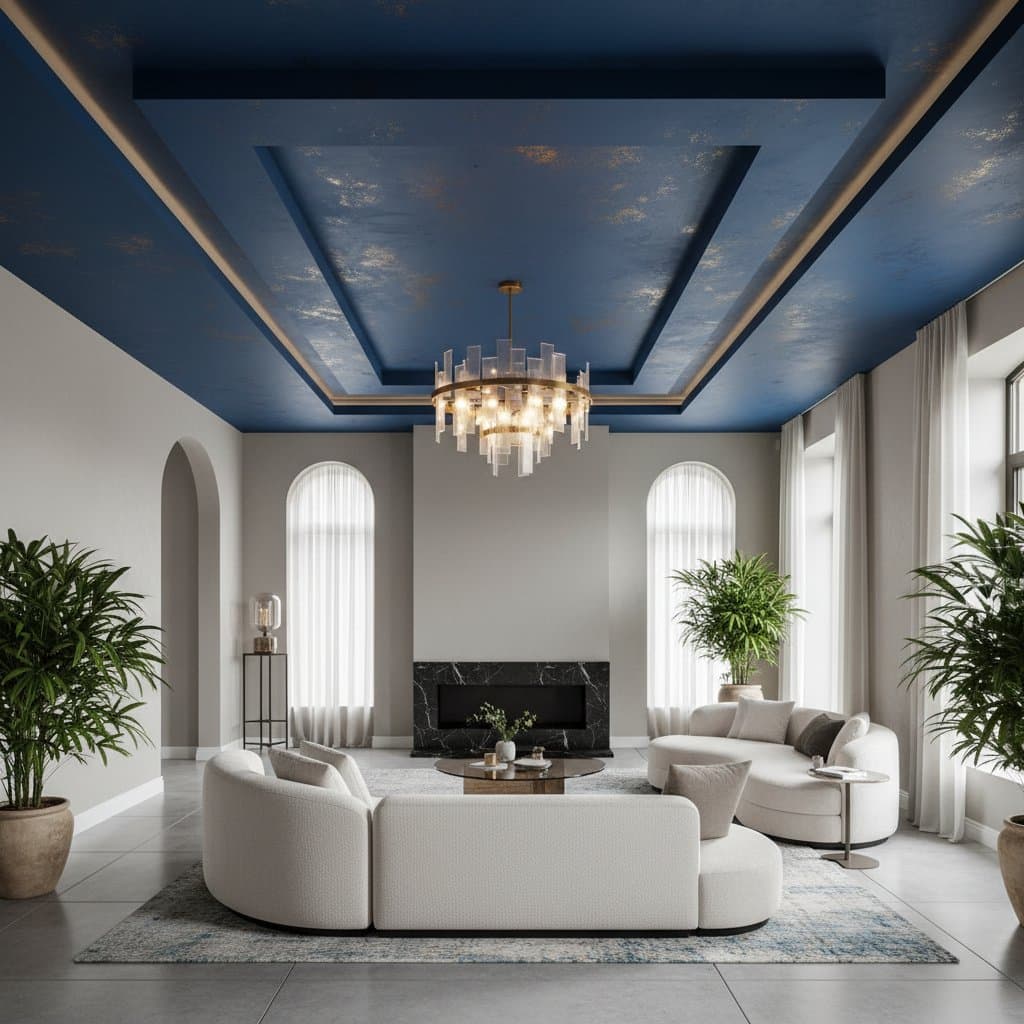
Chromatic Ceilings: Elevating the Fifth Wall
Homeowners often refresh walls, floors, and furnishings, yet overlook the expansive surface overhead. That plain white ceiling acts as an untapped canvas capable of shifting a room's entire character. Chromatic ceilings represent a growing trend in interior design, where color, texture, and finish turn this overlooked element into a powerful design asset.
The Hidden Influence of Ceilings
Ceilings have long played a subtle role in spatial perception. They affect how a room feels in terms of height, warmth, and openness. Natural light interacts with ceiling surfaces to influence shadow patterns and color saturation throughout the day.
Design experts now refer to ceilings as the fifth wall, urging equal attention alongside floors and vertical surfaces. Treating it as an integral part of the design palette yields striking transformations, from expanded airy volumes to intimate enclaves.
Psychological and Visual Impact
A ceiling's color alters room dynamics profoundly. For instance, a warm ochre tone in a living area fosters energy and connection, while a cool slate blue in a bedroom promotes tranquility. In sunlit spaces, a ceiling in soft aquamarine mimics outdoor expanses, enhancing a sense of boundlessness.
Color psychology underpins these choices. Vibrant reds stimulate conversation in social zones, whereas neutrals like dove gray provide a soothing backdrop in workspaces. Thoughtful application of these principles can unify disparate elements and amplify the intended emotional tone.
Steps to Envision Your Ceiling Design
Start by assessing the room's core purpose and current palette. Position yourself centrally and mentally apply hues like warm amber or cool periwinkle to gauge harmony with existing decor. Consider how the choice will interact with daily light shifts to maintain balance.
Use these targeted questions to refine your approach:
- What mood should the room convey? Options include calm retreat, vibrant gathering spot, or elegant sanctuary.
- How do surrounding elements align? Select shades that echo or contrast floor tones and upholstery for seamless integration.
- What is the light profile? Opt for reflective silvers in low-light areas to amplify brightness, or matte blacks in ample sun to add depth.
Varied Design Approaches
Chromatic ceilings offer diverse paths to personalization, from subtle enhancements to bold statements.
-
Vibrant Solid Colors
Apply a high-gloss crimson in a breakfast nook to energize mornings, or a semi-matte forest green in a den for grounded sophistication. These choices demand quality primers to ensure even adhesion on overhead surfaces. -
Subdued Neutrals and Pastels
A ceiling in pale mint refreshes a nursery, inviting peace without overpowering small-scale furniture. Layer with sheer glazes for nuanced depth that evolves with seasons. -
Metallic Accents
Incorporate copper leafing in an entryway to greet visitors with subtle opulence. These finishes catch ambient light, ideal for pairing with minimalist lines and natural fibers. -
Patterned Applications
Install subtle damask wallpaper on a study ceiling to add intellectual flair, or a starry night mural in a child's room for imaginative play. Ensure patterns scale appropriately to avoid visual clutter. -
Textured Wood Elements
Exposed cedar beams in a great room introduce organic texture and acoustic benefits. Finish with oils that highlight grain patterns, blending rustic appeal with modern restraint. -
Structural Enhancements
Install recessed trays painted in contrasting ivory to add architectural interest in formal spaces. These features draw the eye upward, emphasizing volume in vaulted areas.
Key Practical Factors
Successful implementation balances creativity with functionality. Begin with thorough surface cleaning and priming to achieve uniform coverage, particularly on textured or aged ceilings.
Adjust existing lighting to complement the new surface; warmer LEDs enhance earthy tones, while daylight bulbs suit crisp whites. In rooms under eight feet tall, favor lighter shades to preserve openness; reserve depths for higher ceilings.
Budget for specialized tools like extension poles and drop cloths, which add 20 percent to costs but prevent mishaps. Consult local building codes for any electrical modifications tied to lighting upgrades.
Integrating Functionality
Beyond aesthetics, ceilings address real-world needs. In multifunctional living areas, gradient color transitions delineate activity zones without physical barriers. Mirrored panels in hallways expand perceived depth, while integrated vents disguised in decorative molding maintain airflow discreetly.
For audio-heavy rooms, fabric-wrapped panels absorb echoes while contributing to the color scheme. These multifunctional choices ensure the fifth wall serves both form and purpose.
Achieving Cohesive Results
Coordinate ceiling treatments with adjacent surfaces for fluid transitions. Extend a ceiling hue one foot down the walls in transitional spaces, or match it to crown molding for subtle emphasis.
Select fixtures that interact dynamically, such as track lights skimming the surface to highlight textures or sconces casting soft glows. This layered approach creates depth and invites repeated appreciation.
Collaborating with Experts
DIY projects suit simple repaints, but complex applications benefit from professional input. Interior designers assess light angles and material compatibility, recommending durable finishes like low-VOC enamels.
For comprehensive support, connect with vetted local specialists through doricsouth.com. They offer consultations to tailor solutions, from color sampling to full execution, ensuring precision and longevity.
Sustaining Your Design
A well-executed chromatic ceiling enhances routines subtly yet profoundly. Sunrises gain vibrancy, and quiet evenings deepen in tone, fostering a more attuned living environment.
Routine care involves vacuuming with soft brushes quarterly and spot-cleaning stains with mild solutions. Premium finishes resist fading, preserving the impact for a decade or more with minimal effort.