
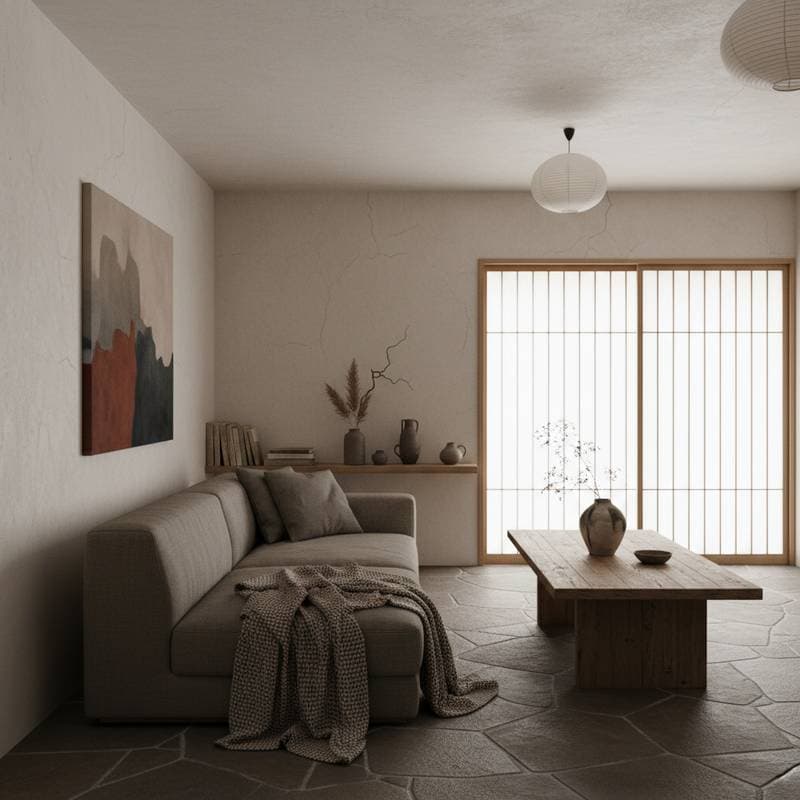
Imperfect Beauty: The Rise of Wabi-Sabi in 2026 Interiors
Consider the subtle irregularities in a wooden coffee table or the softened contours of a well-used armchair. These elements represent vitality and history rather than defects. Wabi-sabi, a Japanese philosophy, embodies this perspective by honoring imperfection, transience, and genuineness. Homeowners increasingly seek this approach as an antidote to the pursuit of flawless, uniform spaces.
The Allure of Lived-In Environments
Contemporary design often prioritizes glossy surfaces and precise alignments. However, a growing number of residents desire interiors that convey habitation over curation. Wabi-sabi aligns seamlessly with this preference through its emphasis on organic substances, understated elegance, and items that bear traces of time. The subtle fracture in a ceramic vessel or the mellowed sheen of a metal fixture signifies narrative rather than error.
In an era dominated by standardized manufacturing, wabi-sabi restores a sense of humanity. It promotes solace in existing possessions, discouraging wholesale replacements driven by passing fashions.
Fundamental Tenets of Wabi-Sabi Aesthetics
Wabi-sabi centers on sincerity and moderation. It urges the elimination of surplus to highlight essential qualities. The following principles form the foundation of this style:
- Imperfection: Embrace coarse grains, irregular forms, and evident mends. The technique of kintsugi, which mends fractures with gold-infused lacquer, exemplifies transformation of breakage into elegance.
- Simplicity: Maintain uncluttered areas with intentional selections. Each item must fulfill a practical role or inspire emotion.
- Natural Substances: Opt for timber, earthenware, flax fibers, and rock, which develop character through natural aging.
- Serenity: Design environments that promote composure and stability. Employ diffused illumination, subdued palettes, and fluid arrangements to cultivate harmony.
Integrating Wabi-Sabi Elements into Residential Spaces
Transformation requires no complete overhaul. Wabi-sabi thrives through gradual, deliberate evolution. Initiate with current holdings and introduce measured adjustments.
Initiate with simplification. Eliminate superfluous belongings while retaining those with personal significance. A select array of cherished artifacts communicates more profoundly than an overcrowded display of ephemeral styles.
Select organic fabrics and surfaces. Substitute artificial textiles with breathable options such as cotton, linen, or wool. Choose untreated timber pieces that acquire a subtle luster through regular interaction.
Moderate illumination sources. Steer clear of stark ceiling-mounted lights. Incorporate table lamps with amber-toned bulbs or natural flame sources to foster a soothing ambiance.
Add artisanal accents. Integrate hand-formed pottery, interlaced containers, and wheel-thrown earthenware to introduce tactile variety and provenance. These creations underscore the involvement of skilled craftsmanship.
Accept and restore signs of use. Rather than discarding a marred tabletop, refine it by smoothing and applying natural oils to accentuate its history. Mend fabric rips with visible stitching instead of disposal. Such practices resonate with wabi-sabi values.
Key Factors for Implementing Wabi-Sabi at Home
This design philosophy accommodates diverse financial plans. Achieve results through resourceful adaptation of present items or by acquiring bespoke artisan works. Anticipate these aspects:
- Budget Spectrum: Basic updates centered on reorganization, reuse, and minor accents may cost less than two hundred dollars. Extensive alterations, including salvaged lumber installations, textured wall treatments, or bespoke fixtures, typically span two thousand to ten thousand dollars, varying by scale and selections.
- Duration: Achieve subtle shifts across a pair of weekends for most individuals. Comprehensive endeavors, such as applying textured plasters, installing integrated storage, or laying natural floors, may extend over multiple weeks.
- Complexity Level: Suitable for self-directed efforts at an accessible to intermediate degree. Techniques like lime-based washes or earthen plasters demand practice but remain approachable. Engage certified experts for foundational modifications or wiring adjustments.
- Upkeep Requirements: Low overall. Permit organic elements to retain their evolving appearances. Employ gentle, non-abrasive cleaners and refrain from aggressive agents that erode surface narratives.
- Precautionary Measures: Ensure adequate airflow during surface refinishing or coating applications. Utilize safety equipment when operating machinery or abrading materials.
Experiencing Wabi-Sabi in Daily Life
Adopting this mindset simplifies ongoing care, as resistance to inevitable changes diminishes. A groove in flooring or a lightened textile ceases to register as shortcoming. These evolutions instead affirm active engagement and affection within the space.
Wabi-sabi designed homes enhance with maturity. They invite pauses to value artisanal skill and savor substances that narrate their journeys. Gradually, inhabitants perceive increased poise and rootedness in their surroundings.
Steps to Initiate Your Wabi-Sabi Journey
Commence modestly. Reconfigure seating to enhance openness, swap a manufactured object for one derived from nature, or mend an item in lieu of renewal. Each progression draws the residence nearer to wabi-sabi's subdued allure. The aim resides in genuineness, not flawlessness. When a space mirrors lived experiences, complete with their traces and recollections, profound ease emerges.