
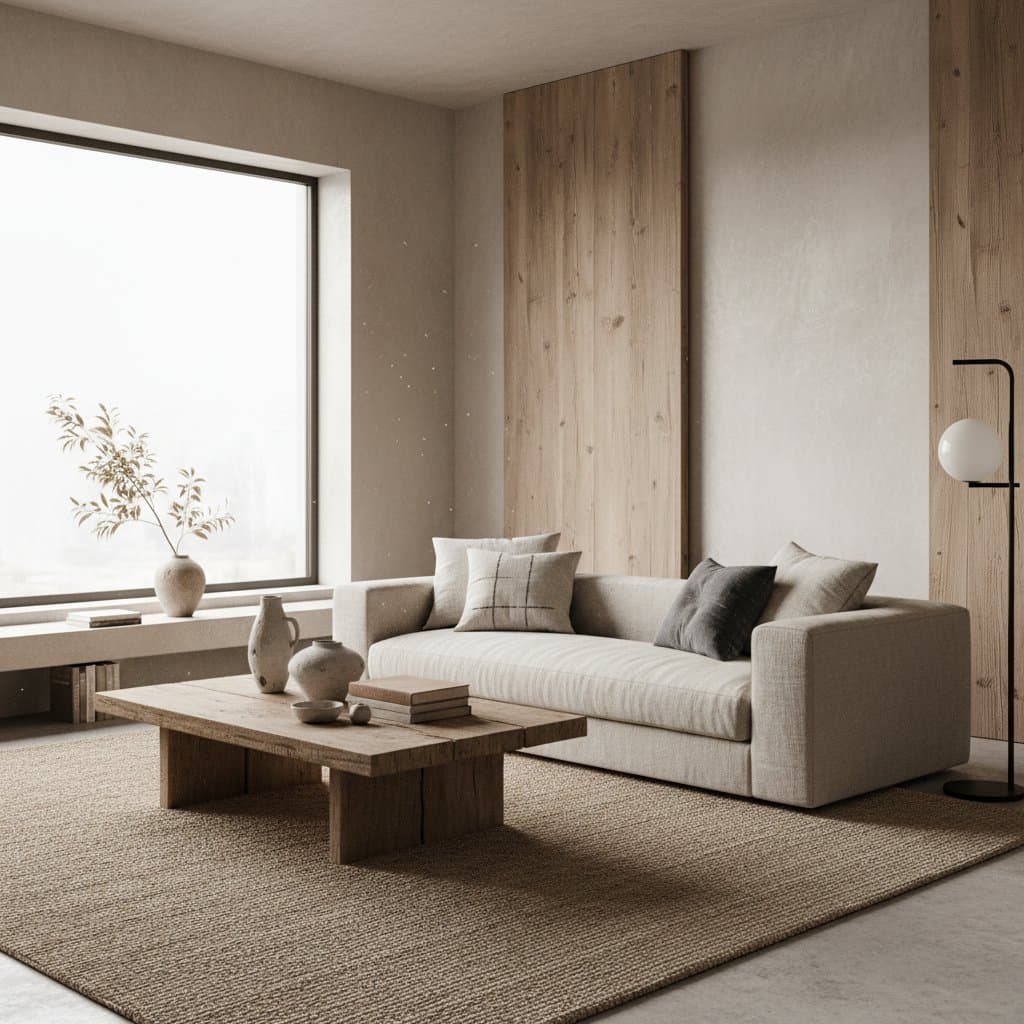
Why Imperfect Interiors Rule 2026 Design Trends
You enter a room that immediately feels inviting and genuine. Subtle textures mark the walls, faint scratches appear on the wooden floors, and ceramics on the shelves display slight irregularities. This atmosphere of calm and authenticity defines the leading direction in interior design for 2026. The focus shifts away from flawless perfection toward materials that develop character over time, fostering spaces that support relaxed, meaningful living.
Homeowners increasingly reject sterile environments designed primarily for visual appeal in photographs. Pristine lines and glossy surfaces often create a sense of detachment in daily use. Contemporary design now prioritizes elements that reflect personal history and human interaction, drawing from the Japanese philosophy of wabi-sabi to honor natural imperfections and the passage of time.
The Shift Toward Authentic Spaces
Earlier trends emphasized uniformity in remodeling, where every element required precise matching and high shine. This perspective has evolved as individuals seek residences that narrate their own narratives. Elements such as a copper pot bearing dents from years of service, a vase shaped by hand on a potter's wheel, or a beam salvaged from a historic barn introduce layers of warmth and narrative depth unattainable through mass production.
Wabi-sabi principles promote natural materials including wood, clay, stone, and linen, which transform subtly with exposure to light, touch, and air. These changes yield deeper hues and distinctive patinas that chronicle usage. Rather than concealing irregularities, the approach elevates them: a natural knot in a wooden surface or a fine fissure in a clay element signifies vitality rather than defect.
Why Imperfection Feels Right at Home
Maintaining absolute perfection proves draining, requiring ongoing vigilance against dust, marks, and wear. Imperfect interiors counteract this by encouraging ease and acceptance. A worn floorboard or softened wall hue integrates seamlessly into daily routines, evolving as part of the home's evolving character.
Environmental psychology research highlights how organic, tactile surfaces contribute to lower stress levels and heightened well-being. Uneven textures and varied finishes render spaces more relatable and less intimidating. Homes transform from mere displays into sanctuaries that accommodate authentic living.
How to Bring Wabi-Sabi Design Into Your Home
Incorporating this aesthetic requires no complete overhaul or excessive expenditure. Targeted adjustments in selection and perspective can refresh any environment. Consider these strategies to introduce imperfect elegance across various scales.
-
Choose Natural, Aging Materials
Select wood, stone, plaster, and clay for their ability to mature gracefully. These options develop unique markings through natural processes, unlike synthetic alternatives that remain unchanged or degrade abruptly. -
Mix Old and New
Pair contemporary pieces with items of patina. Position a sleek modern sofa beside a coffee table crafted from reclaimed timber to achieve harmony and visual interest. Explore thrift outlets and estate auctions for distinctive, character-filled acquisitions. -
Simplify the Color Palette
Opt for subdued shades drawn from the natural world, such as gentle grays, grounded browns, and soft whites. These tones accentuate surface details, allowing subtle flaws to enhance rather than disrupt the overall composition. -
Embrace the Handmade
Integrate pottery formed by artisans, baskets woven by hand, and textiles stitched manually. The inherent variations in form and motif infuse spaces with a sense of personal craftsmanship and uniqueness. -
Let Surfaces Breathe
Favor matte paints or limewash over high-gloss options for their dynamic interplay with light. These applications offer subtle undulations that create an atmosphere of approachability compared to sleek uniformity. -
Edit Your Decor
Wabi-sabi thrives on intentional sparsity, treating negative space as an essential component. Retain only items of utility or deep affection; a curated selection of meaningful objects conveys greater impact than overcrowded arrangements.
Cost and Practical Considerations
Achieving a wabi-sabi-inspired interior accommodates diverse financial plans, influenced by the extent of personal involvement and material choices.
- Paint and Finishes: Limewash or clay-based paints typically range from $40 to $80 per gallon, comparable to high-end conventional paints, while providing layered texture and organic depth.
- Furniture: Vintage or pre-owned items often fall between $100 and $500 per piece, varying by age and aesthetics; self-refinishing extends their life economically.
- Flooring: Installed reclaimed wood averages $6 to $12 per square foot, offering affordability alongside inherent narrative compared to fresh hardwoods.
- Accessories: Artisanal ceramics or fiber crafts span $30 to $200, scaled by detail and dimensions.
Enhance existing possessions to align with this style. Lightly sand a table showing use and apply a plant-based oil to revive its surface. Preserve stone counters with minor imperfections, recognizing them as integral to the piece's history.
Safety and Maintenance Notes
Embracing visible aging does not negate the need for functional upkeep. Natural elements demand attentive care to ensure longevity and safety.
- Wood: Apply natural oils or low-emission sealants to aged or reclaimed timber, mitigating risks of splintering or water intrusion.
- Stone: Employ permeable sealers on flooring and counters; steer clear of aggressive chemicals that could erode the material.
- Plaster or Limewash Walls: These absorbent surfaces clean best with a moist cloth and gentle detergent, avoiding scrubbers that might harm the finish.
- Vintage Furniture: Inspect for firmness prior to incorporation; secure loose connections or update fittings as necessary.
During refinishing or paint removal, utilize protective masks and hand coverings, particularly with potentially hazardous older coatings. Seek expert advice for uncertain restorations.
Regional Influences and Design Adaptations
Wabi-sabi adapts seamlessly to local contexts and environmental conditions. Coastal areas benefit from saline atmospheres that naturally age timber and metals, aligning effortlessly with the philosophy. Arid regions suit clay and plaster, which naturally manage moisture and thermal fluctuations.
Customize the approach to architectural contexts as well. Rustic farmhouses incorporate exposed timbers and salvaged masonry, whereas urban apartments emphasize breathable textiles and subdued matte elements. Prioritize selections resonant with your locale and habits, favoring practicality over pictorial ideals.
Why Designers and Homeowners Love It
This orientation transcends temporary fashions, embodying commitments to intentionality and ecological responsibility. Reusing established materials minimizes waste and cultivates deeper appreciation. Designers value the framework for its allowance of innovative expression alongside organic flaws.
Homeowners gain both sentimental and economic advantages. Such interiors resist the urge for frequent renewals, accommodating graceful evolution. Residences evolve as mirrors of lived moments, surpassing transient acquisitions in enduring satisfaction.
Integrating Imperfect Elements for Lasting Comfort
Initiate with modest changes: select a single area to emphasize tactile qualities, neutral shades, and genuine origins. Substitute generic objects with crafted substitutes, or apply limewash to a focal wall and introduce a weathered shelf. These alterations foster a serene, individualized ambiance.
For larger projects, collaborate with builders on sourcing recycled components or patina-developing treatments. Inquire about material provenance and aging potential. Skilled professionals balance aesthetic appeal with robust performance.
Ultimately, this design ethos cultivates appreciation for gradual transformation, tranquility in minimalism, and significance in routine details. Homes that embody such candor resonate on a profoundly human level, securing their place beyond ephemeral styles.