
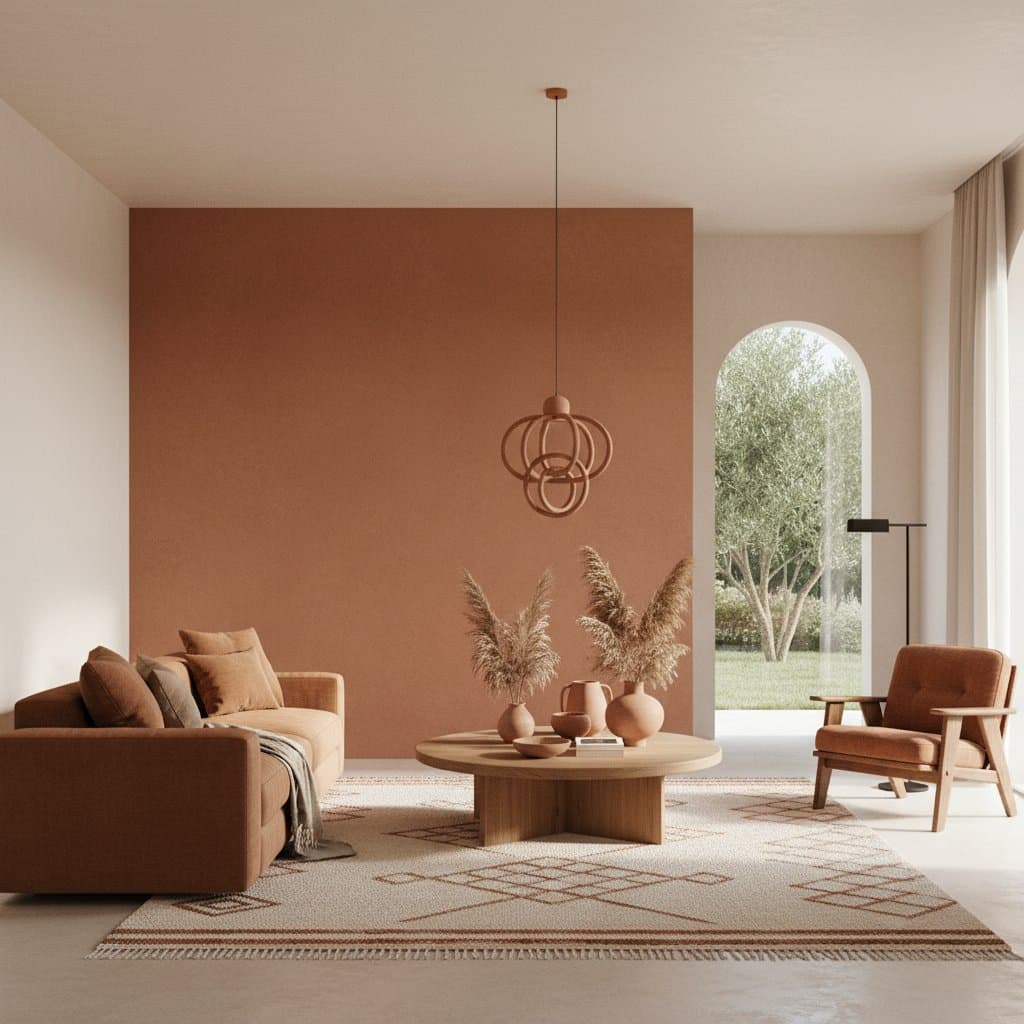
Terracotta's Resurgence: Earthy Palettes for 2025 Interiors
Warm, earthy hues have gained prominence in recent interior design projects. Colors reminiscent of clay, rust, and sand appear on walls, flooring, and upholstery. Terracotta, historically associated with Mediterranean aesthetics, experiences a notable revival. Designers and homeowners alike seek to understand the appeal of these natural tones and methods to integrate them without compromising contemporary elegance.
The Appeal of Terracotta in Contemporary Living
Homeowners desire environments that evoke comfort and serenity. Following a period dominated by cool grays and pristine whites, earthy tones provide refreshing contrast. Terracotta delivers a grounded, organic essence suitable for both sleek urban dwellings and rustic retreats. This palette introduces character while maintaining restraint, allowing application in subtle accents or as dominant features based on spatial needs.
Terracotta complements prevailing materials such as light oak, natural stone, and woven fibers. Such pairings enhance minimalist settings by adding vibrancy and dimension. Regardless of location, from high-rise apartments to rural homes, these tones cultivate tranquility and hospitality.
Integrating Terracotta into Modern Aesthetics
Terracotta transcends mere coloration; it embodies texture and inherent narrative. Proper application imparts enduring sophistication independent of fleeting fashions. Balance it with streamlined forms, generous open areas, and abundant daylight to preserve a contemporary edge over rustic connotations.
Contemporary interpretations emphasize restraint. Opt for unadorned clay surfaces, subdued matte paints, or expansive terracotta vessels rather than ornate patterns. This approach accentuates the material's intrinsic allure. Terracotta-emulating paints offer clay-like warmth at reduced expense and structural demand.
Introducing Earthy Tones Gradually
To incorporate terracotta, commence with modest alterations. Comprehensive overhauls prove unnecessary; targeted updates suffice to establish a hospitable ambiance.
Consider these accessible strategies:
- Feature walls: Apply a muted terracotta paint to a single surface. This infuses warmth while preserving overall lightness.
- Fabrics: Select pillows, blankets, or drapery in rust, ochre, or clay shades. These elements facilitate easy experimentation and reversal.
- Pottery: Incorporate terracotta containers or vessels. They adapt to diverse stylistic contexts.
- Flooring elements: During kitchen or bath renovations, install unglazed clay tiles. These provide tactile interest and resilience.
- Visual art: Choose artworks featuring warm, terrestrial motifs, such as abstracts or landscapes.
These suggestions accommodate varied financial scopes. Wall painting typically costs under fifty dollars, whereas extensive tile installations may exceed several hundred. Even minimal applications yield substantial visual impact.
Harmonizing Terracotta with Complementary Hues
Terracotta thrives in balanced compositions rather than isolated dominance. Aim for cohesive interplay by selecting tones that temper or amplify its inherent warmth.
Effective Pairings:
- Cream and beige: These neutrals dilute terracotta's intensity, promoting spaciousness.
- Olive green: This shade reinforces natural cohesion and stability.
- Charcoal or deep brown: Such depths foster layered drama.
- Soft blue or sage: Cooler accents mitigate boldness, yielding serene opposition.
Begin with one neutral base and a single accent to ensure intentional equilibrium.
Synergistic Materials and Surface Treatments
Pair terracotta with organic substances to amplify tactile warmth. Prioritize varied textures for cohesive environments.
Incorporate:
- Linen or cotton textiles for gentle suppleness
- Wooden accents in oak, walnut, or pine finishes
- Stone elements such as travertine or marble
- Satin metal details in bronze or matte iron
Steer clear of high-gloss surfaces, which clash with terracotta's understated glow. Matte or low-sheen options diffuse illumination harmoniously.
Tailoring Terracotta Across Living Areas
Adapt terracotta's role to each room's illumination, scale, and function for optimal effect.
Living Areas
Apply terracotta to a focal wall or via upholstered items. A terracotta area rug or blanket enhances neutral seating arrangements. Wooden flooring integrates seamlessly, unifying the composition.
Kitchens
Clay-toned tiles or splash guards impart character to sleek or traditional layouts. Combine with crisp white surfaces and timber cabinetry for equilibrium. Herb-filled terracotta pots or open-shelf ceramics provide understated enhancement.
Bathrooms
Terracotta flooring evokes resort-like serenity. It conceals moisture marks more effectively than polished alternatives and suits compact areas. Accent with brass or ebony hardware for visual tension.
Bedrooms
Employ terracotta in linens or subtle wall treatments to promote repose. Pair with ivory or taupe window dressings and sparse furnishings for simplicity.
Exterior Zones
Terracotta excels in alfresco settings. Traditional clay urns, garden beds, and terrace pavers offer longevity and patina over time.
Advantages and Considerations of Terracotta Integration
Design decisions involve inherent balances. Evaluate these aspects prior to implementation.
Benefits
- Inviting atmosphere: Terracotta fosters immediate hospitality.
- Enduring style: It withstands transient vogues.
- Adaptability: Compatible with diverse palettes and textures.
- Practicality: Tile and ceramic variants require minimal upkeep.
Drawbacks
- Potential heaviness: Excessive use may darken or antiquate spaces.
- Shade precision: Select tones carefully to avoid overly vivid or muted results.
- Environmental sensitivity: Authentic tiles demand protective sealants against dampness.
Mitigate challenges through ample illumination and neutral offsets.
Budget and Implementation Factors
Terracotta applications span economic ranges. Paints represent economical entry, often below one hundred dollars per room. Genuine tiles range from five to fifteen dollars per square foot, varying by quality and treatment. Self-installation involves preparation for sealing and jointing; professional services incur additional fees for precision.
Decorative items, such as vessels or pots, start at fifteen dollars. Structural additions like surrounds or custom surfaces command higher investment but endure with maintenance.
Projects vary in duration: surface refreshes span a weekend, while flooring endeavors extend days. Account for curing periods inherent to natural products.
Eco-Conscious and Genuine Applications
Terracotta's clay-based composition appeals for environmental merits when ethically sourced. It moderates thermal and moisture levels, enhancing occupant comfort. Prioritize local or reclaimed variants to align with sustainable practices.
This material promotes intentional curation over uniformity. Subtle inconsistencies in color and finish contribute to its allure, rendering each installation distinctive.
Implementing Terracotta Thoughtfully
Initiate with incremental steps: refresh a wall, introduce warm fabrics, or place clay accents on displays. Assess the evolving ambiance before broader adoption.
Blend terracotta with organic elements and strategic lighting to craft refined, soothing domains. Embrace flexibility beyond rigid conventions, prioritizing authenticity and ease.
Terracotta's return signifies a broader pursuit of unadorned natural affinity.