
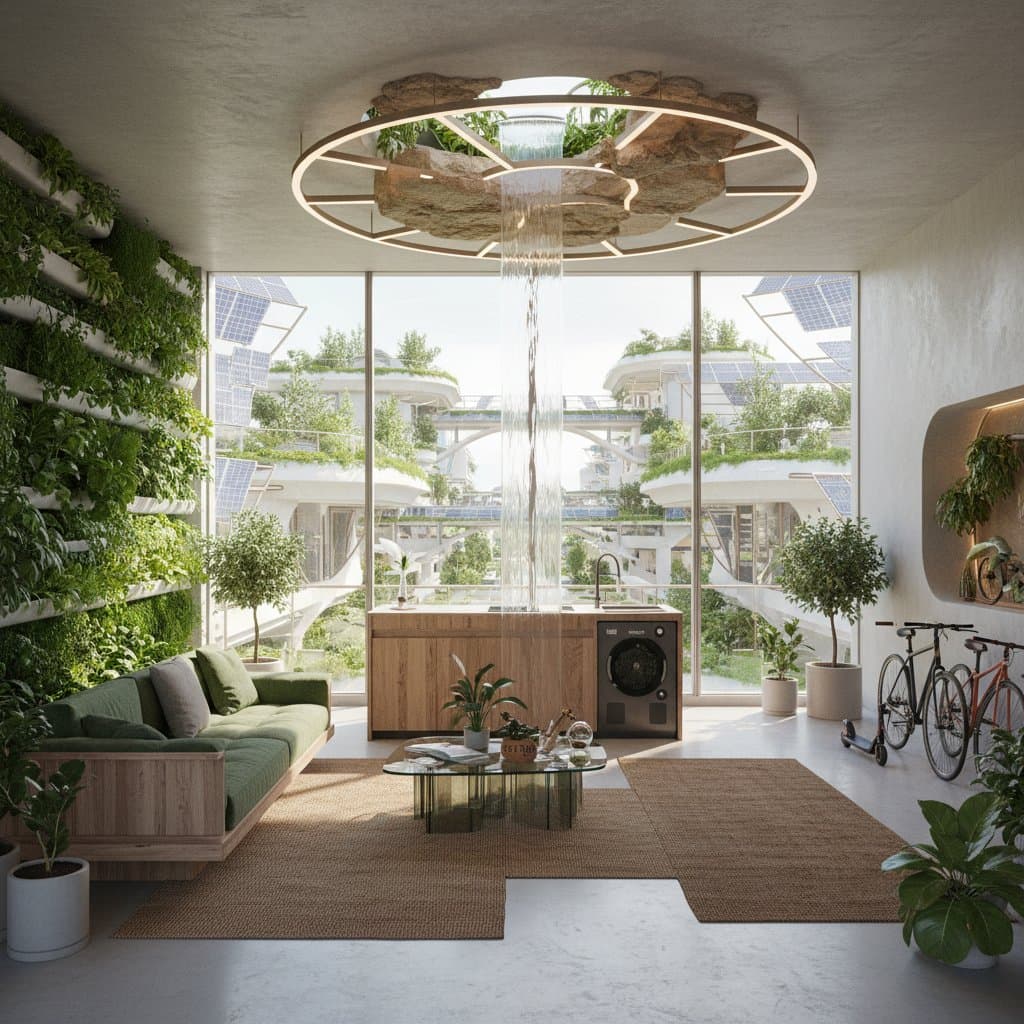
Solarpunk's Eco-Futurism: Redesigning Sustainable Homes
Picture sunlight streaming through lush indoor plants as your home generates its own electricity silently. Fresh air circulates naturally, walls remain cool during summer heat, and a nearby garden yields fresh produce for meals. This scenario represents solarpunk, a design movement reshaping sustainable living into an accessible reality.
Homeowners embrace solarpunk for its blend of visual appeal and practical benefits. Escalating energy prices, erratic weather patterns, and heightened awareness of resource depletion prompt a reevaluation of home functionality. Solarpunk merges renewable technologies with environmental systems to produce spaces that harmonize with nature.
Whether undertaking a renovation, constructing anew, or seeking efficiency upgrades, solarpunk provides concrete strategies.
What Solarpunk Means for Homeowners
Solarpunk embodies optimism rooted in actionable sustainability. It unites clean energy innovations, restorative landscapes, and collaborative design principles. The aim centers on developing self-reliant, minimal-impact residences deeply linked to the natural world.
Unlike modern minimalism, which can render spaces barren, solarpunk infuses vitality. It favors materials that develop character over time, landscapes that support pollinators, and mechanisms that enhance durability. Consider it an evolution from basic green construction, where technology and nature collaborate seamlessly.
Key elements encompass:
- Solar panels seamlessly incorporated into roofs and exteriors
- Designs for passive solar heating and cooling
- Systems for capturing rainwater and recycling greywater
- Gardens that produce food alongside vertical plantings
- Materials procured locally with natural treatments
Solarpunk prioritizes intelligent application of existing technologies over novel inventions.
Designing a Solarpunk Home
Converting an current residence into a solarpunk retreat demands no full reconstruction. Begin by analyzing resource consumption and preservation on your site. This roadmap outlines initial steps.
1. Assess Energy Consumption
Prior to installing solar panels or storage units, emphasize efficiency. Inadequate insulation, leaky windows, and obsolete appliances consume excess energy. Professional home energy audits range from $200 to $600 based on property scale and region, delivering insights into priority fixes before renewable investments.
2. Harness Solar Resources Effectively
Solar power forms the foundation of solarpunk. Rooftop photovoltaic arrays suit most residences, costing $15,000 to $25,000 post-incentives, often meeting full electricity demands.
For modest investments, consider:
- Solar-powered attic fans to mitigate heat accumulation
- Solar thermal heaters to augment traditional water heating
- Solar fixtures for illuminating gardens and walkways
In new constructions, align the building for optimal southern orientation and incorporate extended eaves to shield windows from summer sun.
3. Incorporate Passive Temperature Regulation
Passive strategies rank among the most effective for energy conservation, leveraging architecture, orientation, and materials to maintain comfort without machinery.
Accessible modifications involve:
- Clerestory windows that open for natural airflow
- Materials with thermal mass, like stone or concrete, to retain solar warmth
- Deciduous plantings on southern and western exposures for shade in warm months
Such methods reduce heating and cooling expenses by as much as 30 percent.
4. Manage Water Through Collection and Reuse
Solarpunk treats water as a recyclable asset. Harvested rainwater supports irrigation, laundry, or filtered potable uses.
Full setups with tanks and pumps cost $3,000 to $8,000, while basic barrel collections begin below $500. Greywater diversion from sinks and showers to gardens adds complexity and often necessitates regulatory approval. Confirm compliance with area regulations prior to proceeding.
5. Cultivate Integrated Green Areas
Solarpunk homes dissolve boundaries between interiors and exteriors. Green roofs, wall-mounted gardens, and productive yards boost insulation, harvest water, and promote food independence.
Initiate with pots or trellised climbers. Extensive green roofs run $15 to $30 per square foot, varying by complexity and access, while providing thermal benefits and prolonging roof longevity.
6. Select Authentic, Regional Materials
Durable, eco-friendly materials define solarpunk style and performance. Options like bamboo, recycled timber, earthen cob, and lime-based plasters offer longevity with reduced ecological footprints. Source from nearby providers to minimize transport-related emissions.
Salvaged brick or wood demands additional preparation effort, yet yields enduring rewards. These choices diminish landfill contributions and impart a narrative quality to the structure.
Key Practical Aspects
Expenses and Returns
Solarpunk scales to fit budgets, from minor tweaks to comprehensive overhauls. Though solar installations demand significant initial outlay, they recoup costs in 5 to 10 years via lower utility payments.
Vegetation, sealing, and passive elements deliver swift gains in livability and savings. Long-view planning enhances resale value and curtails upkeep expenses.
Regulations and Precautions
Renewable and water systems typically need municipal approvals. Engage certified professionals for wiring, roofing alterations, or load-bearing adjustments.
For hands-on projects like barrel placement or plant installations, prioritize safety protocols. Secure equipment properly and use gear suited to tasks involving dirt or building elements.
Adapting to Local Conditions
Solarpunk adapts universally, though implementations differ by environment. Arid, sun-rich areas emphasize generation and sun control. Temperate zones stress sealing, solidity, and solar capture.
Building standards dictate viable options. Partner with green-specialized builders to customize for your locale.
Sustaining a Solarpunk Residence
A solarpunk home develops alongside family requirements and advancing tools. Ongoing care involves monitoring system efficacy. Routinely clear solar surfaces, inspect window barriers, and trim foliage for ventilation.
This philosophy fosters attunement to environmental cues. Track solar patterns, water cycles, and seasonal energy shifts to inform ongoing refinements and heighten fulfillment.
Steps to Implement Solarpunk Principles
Adopting solarpunk starts with a single commitment to mindful habitation. Install a compact solar setup or establish a rain-fed plot. Each enhancement fortifies endurance, trims expenditures, and deepens ecological bonds.
Uniting innovation with organic forms, solarpunk converts sustainability into an enriching routine. Apply these ideas to urban renewals or fresh developments alike.