
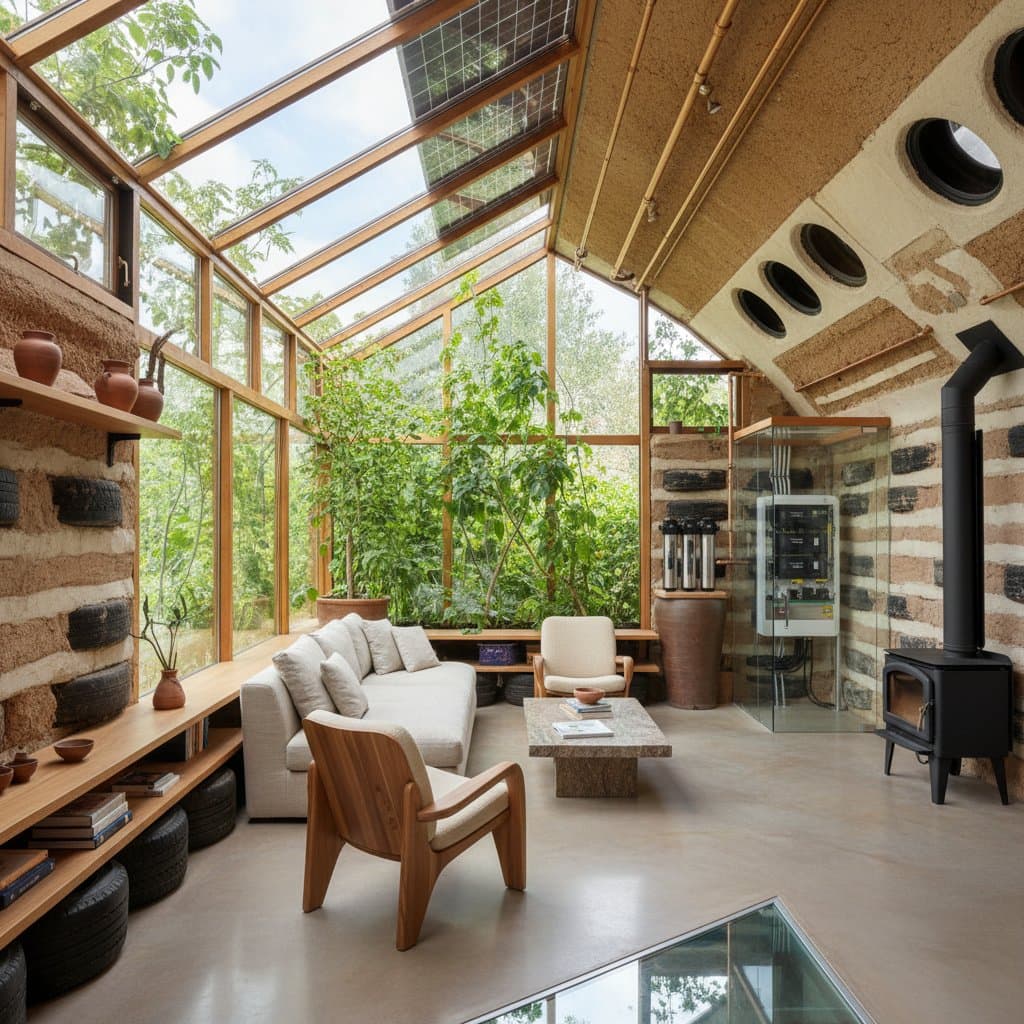
Off-Grid Tire Homes: Earthships Go Mainstream
Imagine residing in a structure that generates its own electricity, maintains stable indoor temperatures through passive design, and incorporates recycled materials to minimize waste. Such dwellings exist in the form of Earthships, off-grid residences constructed primarily from used tires, glass bottles, and earth-based elements. These homes challenge conventional building practices by prioritizing self-reliance and ecological integration.
Photographs often depict Earthships partially embedded in the landscape, featuring undulating walls and expansive south-facing glazing. Their appearance may seem unconventional, yet each component serves a functional role in achieving resource independence. Individuals seeking reduced utility expenses or greater autonomy from public infrastructure find Earthships particularly compelling.
This article examines the fundamentals of Earthships, their operational mechanisms, construction requirements, and suitability for various lifestyles.
Why Earthships Are Gaining Popularity
Earthships originated as experimental projects for alternative living advocates. In recent years, broader appeal has emerged among conventional homeowners, driven by escalating energy prices and heightened environmental consciousness. These factors position Earthships as viable options for sustainable habitation.
Several key advantages contribute to their rising interest:
- Reduced ongoing expenses: Post-construction, operational costs approach zero due to integrated energy and water systems.
- Utilization of recycled resources: Discarded tires, bottles, and cans transform into structural elements, diverting waste from landfills.
- Thermal stability: Massive walls absorb and release heat, ensuring consistent indoor conditions across seasons.
- Resource autonomy: On-site rainwater collection, solar power generation, and waste recycling eliminate dependence on municipal services.
- Design versatility: Configurations adapt to specific terrains, climates, and builder preferences, allowing for personalized expressions.
Construction involves considerable initial investment in time and materials. Physical labor, regulatory navigation, and potential professional assistance add complexity. Nevertheless, proponents view these demands as justified for the ensuing benefits.
Building an Earthship: What to Expect
Constructing an Earthship demands active participation, though certain phases benefit from expert input. The methodology promotes owner involvement to align the home with personal needs and site conditions.
Step 1: Research and Design
Begin with thorough investigation of Earthship biotecture principles, developed by architect Michael Reynolds. Designs must account for local climate: arid regions emphasize water conservation, while temperate zones prioritize solar gain. Acquire blueprints from established resources or engage certified Earthship builders to customize plans for optimal performance.
Step 2: Site Preparation
Select a plot offering southern exposure for passive solar heating and adequate slope for drainage. Excavate the site to form a bermed foundation, typically 2 to 3 feet deep, which integrates the structure with the earth. This phase spans days to weeks, influenced by terrain and equipment availability.
Step 3: Tire Wall Construction
Fill tires with rammed earth using a pneumatic tamper, creating adobe-like blocks that interlock without mortar. Stack these into load-bearing walls, reinforcing curves with rebar for seismic stability. A modest 1,000-square-foot home requires approximately 500 tires; source them from local tire shops or recycling centers.
Step 4: Roofing and Insulation
Erect a vigas-style roof using wooden beams or recycled steel, sloped to channel rainwater. Insulate with cob mixtures of clay, sand, and straw, or incorporate reclaimed rigid foam between layers. These elements enhance energy efficiency while supporting vegetative roofs in suitable climates.
Step 5: Windows, Doors, and Finishes
Install triple-glazed windows along the facade to maximize daylight and heat capture, framing them with recycled aluminum. Apply earthen plasters or natural lime washes for interiors, integrating functional features like rocket stoves or aquaponic planters. Such details foster a seamless blend of form and utility.
Step 6: Systems and Utilities
Integrate photovoltaic arrays with battery banks for electricity, cisterns for water storage, and septic-free greywater planters for sanitation. Phase installations to match financial capacity, consulting licensed specialists for code-compliant wiring and plumbing. Testing ensures reliable operation from the outset.
Costs and Time Commitment
Expenses for an Earthship range from $150 to $300 per square foot, varying with scale, material sourcing, and feature sophistication. Self-sourced recyclables and volunteer labor can halve these figures, whereas premium solar setups or remote locations elevate them.
Completion timelines differ: a compact prototype may require three to six months of dedicated effort, while expansive projects extend over one to three years with intermittent progress. Delays arise from seasonal weather, supply chains, or bureaucratic approvals.
Verify zoning regulations early; rural areas often accommodate alternative builds, but urban jurisdictions may mandate engineering reviews for unconventional materials. Secure permits for electrical, plumbing, and structural components to avoid legal hurdles.
The Pros and Cons of Earthship Living
Earthship habitation presents distinct advantages alongside inherent difficulties.
Pros
- Minimal recurring expenses after establishment
- Complete control over energy and water resources
- Diminished ecological footprint through material reuse
- Naturally regulated indoor environments
- Viability in isolated settings without infrastructure
Cons
- Substantial initial financial outlay
- Demanding physical construction process
- Regulatory obstacles in restrictive locales
- Niche market affecting property value retention
- Skill development needed for system upkeep
Evaluate these elements against personal goals. Earthships suit those valuing self-reliance and environmental stewardship, provided they embrace the preparatory demands.
Living Comfortably Off the Grid
Settled Earthship residents experience familiar daily routines, from cooking with electric appliances to bathing in harvested water. Distinctions emerge in resource mindfulness: monitor solar input to optimize usage and cycle greywater through ornamental gardens.
Such practices cultivate deliberate habits, like aligning high-consumption tasks with peak sunlight hours. Owners frequently report enhanced well-being from this attuned existence, free from utility fluctuations.
Routine upkeep involves quarterly solar panel washes, annual battery checks, and periodic filter replacements. Diligent maintenance sustains system longevity, often exceeding 20 years without major interventions.
Steps to Launch Your Earthship Project
Commit to an Earthship by attending hands-on seminars or touring established communities in New Mexico or beyond. Engage directly with residents to glean insights on daily operations, unforeseen challenges, and design modifications.
Compile a detailed budget and timeline, sourcing materials through networks like Freecycle or construction salvagers. Partner with experienced guides to navigate initial hurdles, ensuring a structured path to realization.
Ultimately, Earthships embody proactive environmental adaptation. Through informed preparation and persistent execution, they evolve into resilient sanctuaries that enhance quality of life while honoring planetary limits.