
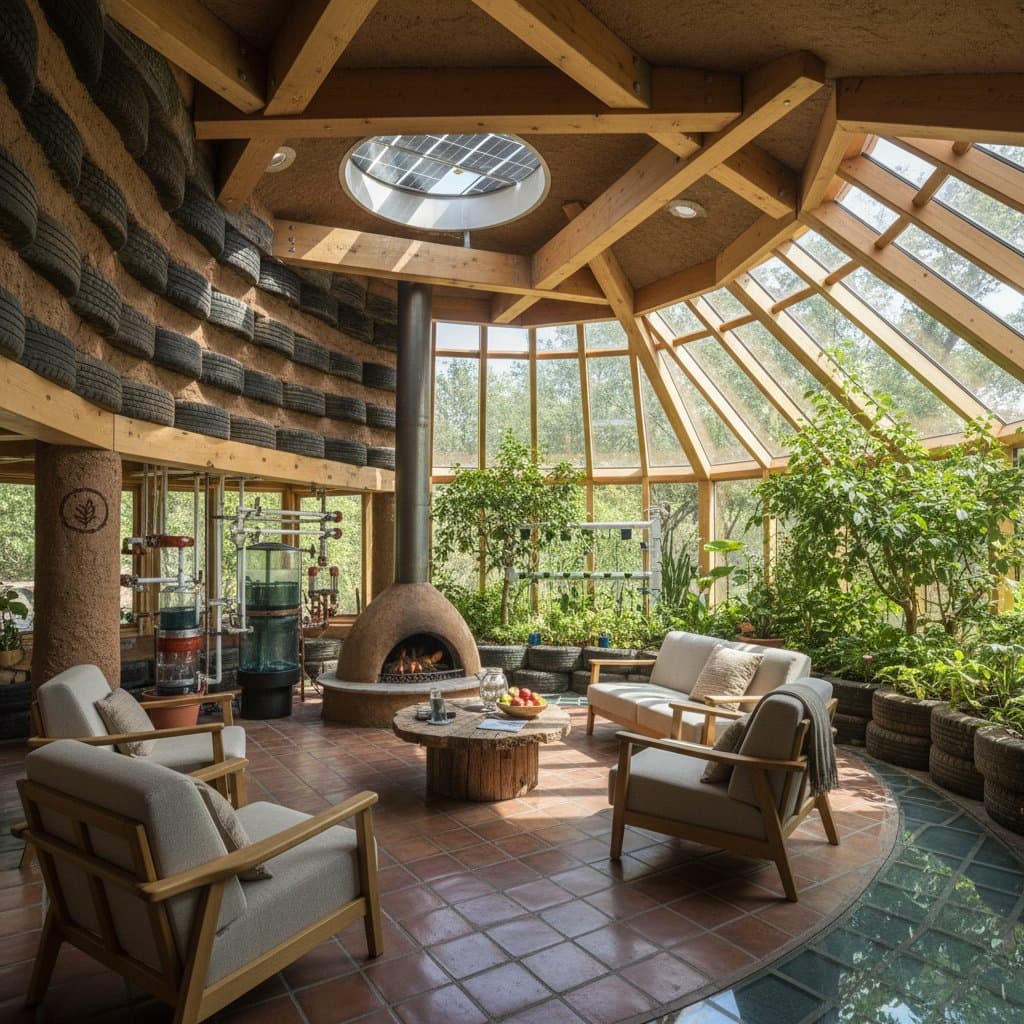
Earthship Revival: Off-Grid Rammed Earth Homes
Imagine a home that integrates seamlessly with its surroundings, regulating temperature through its very structure and relying on sunlight and rainwater for daily needs. This concept moves beyond mere shelter to create a self-sustaining environment free from utility dependencies. Earthship homes embody this ideal, combining ancient building techniques with modern sustainability principles.
The Growing Appeal of Earthship Living
Homeowners increasingly seek structures that align with environmental stewardship and personal independence. Earthship homes utilize rammed earth, recycled materials, and passive solar strategies to achieve off-grid functionality. These dwellings generate their own energy, capture water, and even produce food, reducing reliance on external resources.
The design balances utility with aesthetic harmony. Residents experience the reliability of durable systems alongside the tranquility of living in tune with natural cycles. This approach fosters long-term resilience and a profound connection to the landscape.
What Makes an Earthship Different
An Earthship represents an off-grid residence constructed from natural and upcycled elements. Walls consist of rammed earth compacted into recycled tires, providing substantial thermal mass for temperature stability. These features maintain cool interiors in summer and retain warmth during winter.
Roofs direct rainwater into collection systems for filtration and storage, ensuring a supply for household use. Solar arrays generate electricity, while strategic window placements optimize daylight and airflow. Integrated greenhouses recycle greywater to cultivate indoor plants and produce fresh vegetables.
Entering an Earthship reveals a dynamic ecosystem. The structure cycles resources efficiently, supporting inhabitants while minimizing ecological disruption.
Building with Rammed Earth
Rammed earth techniques trace back thousands of years, yet they adapt effectively to contemporary off-grid applications. The process involves compacting a blend of local soil, clay, and aggregates within forms to form robust walls. This method yields structures of exceptional durability and visual appeal.
- Sourcing Materials: Analyze site soil for optimal clay-sand ratios to guarantee strength and stability.
- Forming Walls: Pack the mixture layer by layer using pneumatic or hand tampers until it solidifies into dense, textured panels.
- Adding Insulation: Incorporate natural insulators like straw or foam in colder regions to boost efficiency while preserving the organic appearance.
- Finishing Touches: Apply breathable lime washes or sealants to shield against weathering without trapping moisture.
The outcome combines form and function seamlessly. Walls reflect the unique characteristics of the local terrain, anchoring the home to its environment.
Living Off the Grid with Confidence
Transitioning to off-grid life demands reliable infrastructure, which Earthships provide through interconnected systems. These elements ensure consistent performance across seasons.
- Energy: Photovoltaic panels charge deep-cycle batteries to power essentials, complemented by efficient appliances such as compact LEDs and energy-saving refrigeration units.
- Water: Roof gutters feed cisterns, where multi-stage filters purify collected rainwater for drinking and sanitation.
- Waste Management: Greywater irrigates indoor flora, and blackwater processes through septic designs or aerobic digesters to prevent contamination.
- Temperature Control: Earthen mass absorbs daytime heat and releases it at night, augmented by clerestory windows for passive ventilation.
This synergy delivers autonomy without forgoing modern conveniences.
Practical Considerations Before Building
Earthship projects benefit from meticulous preparation to align with site conditions and objectives.
- Permits and Regulations: Research zoning laws; supportive areas streamline approvals, while restrictive ones may necessitate structural certifications.
- Cost Range: Basic models approximate entry-level conventional housing prices, with advanced features increasing expenses offset by ongoing savings.
- Labor and Expertise: Engage certified rammed earth specialists to oversee compaction and system integration for optimal results.
- Climate Adaptation: Tailor wall thickness and overhangs to local weather patterns, such as enhanced drainage in wet zones or reflective coatings in arid ones.
- Maintenance: Schedule routine inspections for panels, filters, and seals to sustain system efficacy over decades.
Anticipating these aspects minimizes challenges and maximizes project success.
Why the Earthship Revival Matters
This resurgence signals a broader shift toward mindful habitation. Individuals embrace Earthships to lessen carbon footprints and escape utility vulnerabilities. The movement cultivates networks of builders and residents exchanging innovations and traditional wisdom.
Artisans revive ancestral methods, merging them with solar tech to craft timeless yet forward-thinking spaces. Participants describe the process as restorative, fostering mindfulness through hands-on earthwork. Dwellers report enduring fulfillment from aligning daily life with sustainable principles.
Steps to Launch Your Earthship Project
To pursue an Earthship, identify contractors versed in rammed earth and off-grid engineering. Platforms like doricsouth.com connect users with qualified professionals for project postings, portfolio reviews, and budget alignments.
Envision your ideal setup, from a modest cabin to an expansive homestead with integrated orchards. Earthship construction builds not just walls, but a foundation of endurance, elegance, and ecological harmony.