
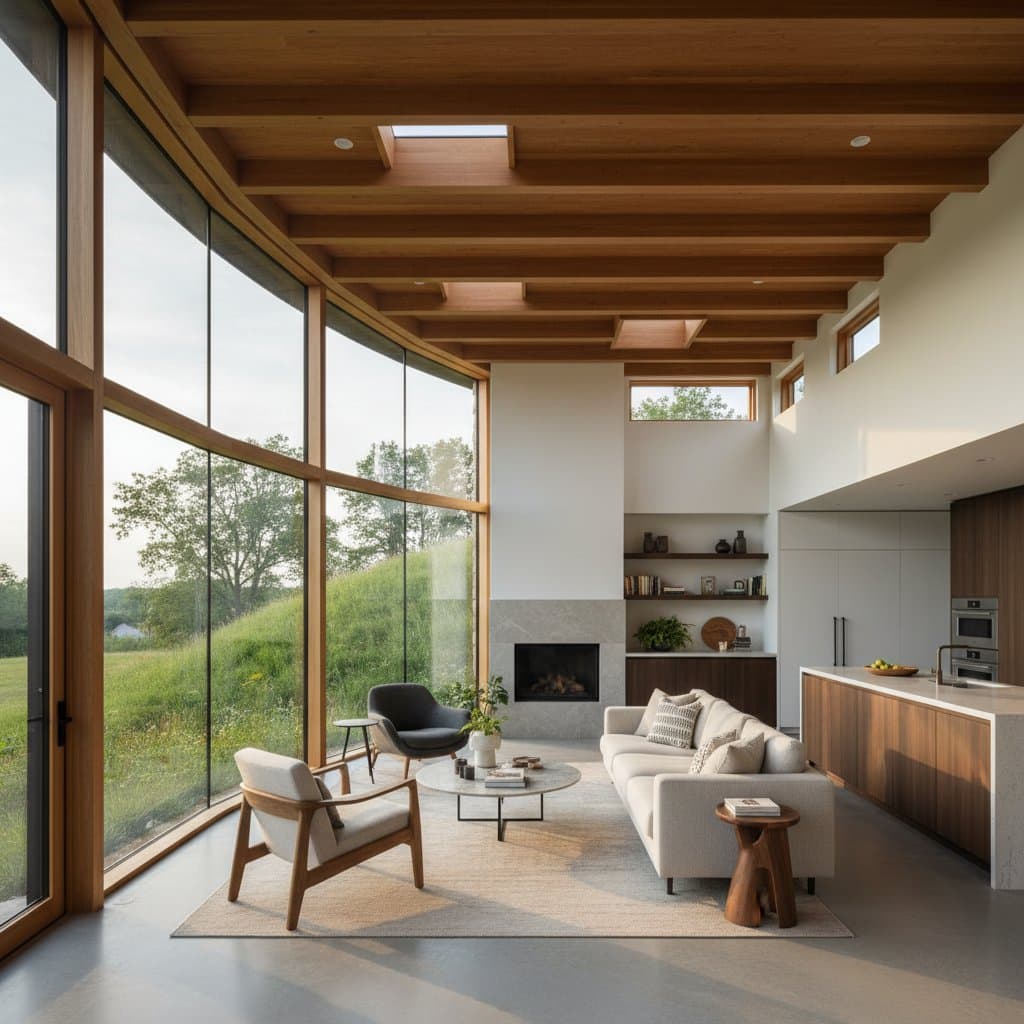
Understanding Earth-Sheltered Homes for Sustainable Living
Imagine a residence that maintains steady indoor temperatures without excessive reliance on heating or cooling systems. Earth-sheltered homes achieve this by integrating partially or fully into the ground, utilizing soil as a thermal buffer. Far from resembling dim shelters, these structures feature ample natural light and modern amenities, promoting energy efficiency and durability for decades.
This approach to housing appeals to those seeking practical, environmentally conscious alternatives. Owners often experience reduced utility expenses and enhanced privacy compared to conventional above-ground dwellings.
Key Design Features of Earth-Sheltered Homes
Earth-sheltered homes differ from traditional structures by capitalizing on the earth's consistent subsurface temperature, typically ranging from 50 to 60 degrees Fahrenheit in many regions. This natural stability minimizes the need for mechanical climate control, lowering operational costs. Surrounding soil serves as an effective shield against external elements, including gusty winds, excessive noise, and severe temperature fluctuations.
Designs fall into two primary categories: bermed and fully underground. Bermed homes sit at ground level with soil piled against one or more sides, preserving some above-ground exposure. Fully underground options embed into hillsides or flat terrain, incorporating atriums, skylights, or light shafts to ensure ventilation and illumination. Success in both relies on robust waterproofing systems, efficient drainage solutions, and high-performance insulation materials.
Primary Benefits Driving Adoption
Individuals select earth-sheltered homes for their tangible advantages in efficiency and resilience. The following points highlight key motivations:
-
Substantial Energy Efficiency: The earth's thermal mass stabilizes indoor conditions, often cutting heating and cooling expenses by 50 to 90 percent. Homeowners frequently note annual utility savings exceeding $1,000.
-
Enhanced Weather Resistance: Buried structures withstand hurricanes, blizzards, and heatwaves better than exposed homes, reducing repair needs after extreme events.
-
Superior Acoustics and Seclusion: Thick earthen barriers and reinforced walls dampen external sounds, fostering serene interiors ideal for relaxation or focused work.
-
Simplified Exterior Upkeep: Minimal visible surfaces mean fewer tasks like painting or roof replacements, extending the home's lifespan with basic annual checks.
-
Ecological Advantages: Lower energy use decreases carbon footprints, while the design promotes biodiversity by mimicking natural landforms and supporting native vegetation.
Potential Drawbacks and Mitigation Strategies
While appealing, earth-sheltered homes present specific hurdles that demand upfront attention. Proper execution addresses these effectively.
Waterproofing and drainage represent critical concerns; inadequate measures invite moisture intrusion, potentially causing structural damage. Initial construction expenses exceed standard builds by 10 to 25 percent due to excavation, fortified concrete, and custom ventilation—though long-term savings offset this investment.
Achieving adequate daylight involves strategic elements like expansive south-oriented glazing or solar tubes, which elevate design budgets. Resale processes may extend because some financial institutions require specialized appraisals, necessitating documentation of build quality and energy performance.
Homeowners who prioritize expert consultation navigate these issues successfully, reaping rewards that surpass conventional housing.
Step-by-Step Planning Guide
Embarking on an earth-sheltered project begins with thorough site analysis to confirm feasibility. Evaluate soil composition, slope, and hydrology to identify optimal placement.
-
Conduct Site Assessment: Select areas with well-draining soil and moderate gradients, steering clear of flood-prone zones. Geotechnical surveys reveal stability and groundwater levels.
-
Develop Architectural Plans: Collaborate with specialists in subterranean design to optimize layouts. Position primary living zones toward sunlight while berming other elevations for insulation.
-
Implement Waterproofing Measures: Apply multi-layer membranes, install perimeter drains, and incorporate rigid insulation boards to repel water and regulate humidity.
-
Integrate Airflow and Illumination Systems: Employ heat-recovery ventilators, operable clerestory windows, and fiber-optic light conduits to maintain air quality and brightness.
-
Route Utilities and Ensure Accessibility: Embed plumbing, electrical, and HVAC lines during framing, including multiple egress points compliant with safety codes.
-
Complete Interiors and Exteriors: Finish with durable, moisture-resistant materials indoors; top roofs with green plantings outdoors to aid runoff and camouflage the structure.
Essential Building Factors
Long-term viability hinges on meticulous oversight during construction. Budgets typically range from $150 to $250 per square foot, influenced by regional factors and customization levels.
Secure all necessary permits for structural integrity, utilities, and environmental compliance; anticipate extended reviews for geotechnical aspects. Projects span four to eight months, with excavation and sealing phases demanding precision.
Prioritize safety through redundant ventilation and clear exit paths. Quality craftsmanship prevents issues like mold or settling, ensuring the home endures with routine maintenance.
Experiencing Daily Life Underground
Residents describe earth-sheltered homes as surprisingly inviting, with even temperatures eliminating drafts or hot spots. External disturbances fade into silence, enhancing focus and rest.
Sunlight streams through engineered openings, creating vibrant interiors connected to outdoor views. Maintenance routines simplify to interior cleaning and periodic drain inspections, freeing time for enjoyment.
Families appreciate the blend of security and sustainability, where lower bills support broader financial goals and environmental stewardship.
Steps to Pursue Your Earth-Sheltered Project
To advance, tour existing installations to gauge spatial feel and functionality. Engage contractors with proven subterranean portfolios, inquiring about tested waterproofing and airflow innovations.
Assemble a comprehensive financial plan encompassing site prep, materials, and contingencies, balanced against projected energy reductions. This strategic path yields a resilient, efficient home attuned to both personal needs and planetary health.