
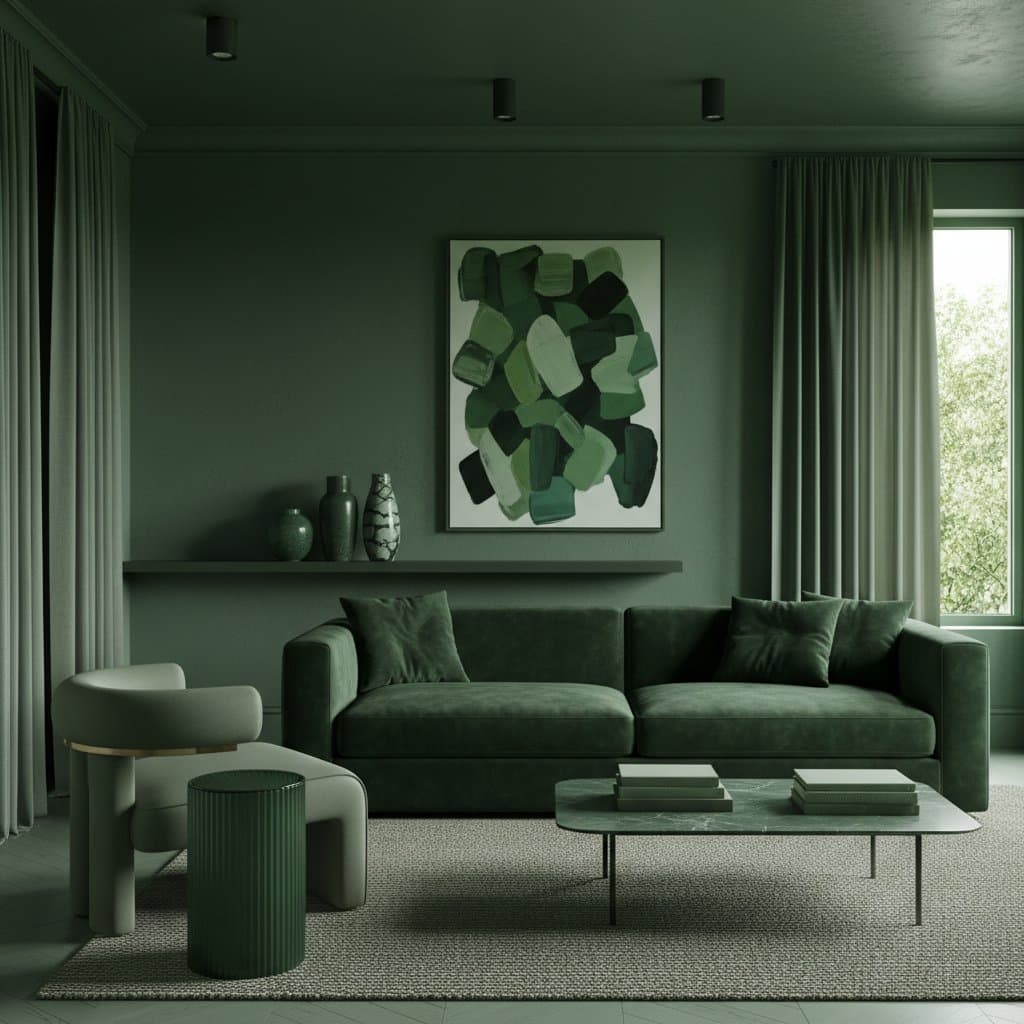
Color-Drenched Rooms Are Replacing Neutral Palettes
Color-drenched rooms represent a bold shift in interior design, where entire spaces immerse in a single hue. This approach moves away from the subdued tones that dominated recent years. Designers predict that by 2026, these vibrant monochrome environments will define modern homes, offering both visual impact and emotional resonance.
Homeowners increasingly seek spaces that reflect personal style while providing comfort. Neutral palettes, once favored for their versatility, now appear limiting in an era that values self-expression. Color-drenched designs address this by creating cohesive, enveloping atmospheres that enhance daily living.
Understanding Color-Drenched Interiors
Color-drenched interiors involve saturating a room with variations of one color, from walls to furnishings. This technique builds depth through subtle shifts in shade and tone. Unlike all-white schemes, it introduces warmth and character without overwhelming the senses.
The concept draws from historical influences, such as mid-century modern aesthetics, but adapts to contemporary needs. Architects and stylists emphasize how a unified palette fosters tranquility. For instance, a soft blue room can evoke calmness, ideal for bedrooms or offices.
This trend aligns with broader movements toward intentional design. People spend more time indoors, making environments that uplift mood essential. Color psychology plays a key role, as specific hues influence emotions and productivity.
Why Neutrals Are Fading in Favor of Bold Monochrome
Neutral palettes offered flexibility, allowing easy accessory changes. However, they often result in bland spaces that fail to inspire. In contrast, color-drenched rooms commit to a vision, yielding more dynamic results.
Market data from design firms shows a surge in demand for saturated colors. Surveys indicate that 65 percent of homeowners prefer vibrant schemes for their longevity. Neutrals date quickly with trends, while a well-executed monochrome endures.
Sustainability factors also contribute. Bold colors reduce the need for frequent redecoration, minimizing waste. This practical appeal resonates with environmentally conscious consumers seeking timeless solutions.
Selecting the Right Color for Your Space
Choosing a base color requires consideration of room function and natural light. Warm tones like terracotta suit living areas, promoting energy and conversation. Cooler shades, such as sage green, work well in relaxation zones.
Test samples in the actual space to observe how light alters appearance. Morning sun might brighten a hue, while evening dims it. Consult color wheels to identify harmonious accents within the same family.
Personal preference guides the final decision. Reflect on colors that evoke positive memories or align with lifestyle. A family home might lean toward playful yellows, whereas a professional studio favors sophisticated grays.
Techniques for Layering in a Color-Drenched Room
Layering prevents monotony by varying intensity and material. Start with walls in a mid-tone paint, then introduce darker furniture and lighter textiles. This gradient creates visual interest and guides the eye.
Incorporating Textures
Textures add tactile dimension to a single-color scheme. Velvet cushions in a deeper shade contrast with linen drapes of the same hue. Wood elements, painted to match, blend seamlessly while providing warmth.
Rugs and throws introduce subtle patterns without breaking the palette. For example, a woven jute piece in soft beige enhances a neutral-drenched earth tone room. Experiment with rough against smooth for balanced appeal.
Playing with Finishes
Finishes reflect light differently, enhancing depth. Matte walls absorb illumination, creating intimacy, while glossy accents bounce it back for energy. Metallic touches, like brass in a gold scheme, add subtle sparkle.
Mix eggshell on cabinetry with semi-gloss on trim. This variation highlights architectural details. In bathrooms, high-gloss tiles in the chosen color amplify cleanliness and modernity.
Optimizing Lighting
Lighting transforms a color-drenched space. Warm bulbs enhance earthy tones, making them cozy. Cool LEDs suit blues, emphasizing serenity.
Layer light sources: ambient ceiling fixtures for overall glow, task lamps for functionality, and accent spots for drama. Dimmers allow mood adjustments, ensuring versatility throughout the day.
Room-by-Room Application Ideas
Living Rooms
In living rooms, a deep emerald green drenching fosters gathering. Pair sofas in velvet with wooden coffee tables stained to match. Sheer curtains filter light, softening the intensity.
This setup encourages relaxation without isolation. Add plants for organic contrast, tying into biophilic design trends.
Bedrooms
Bedrooms benefit from lavender tones for restful nights. Layer bedding in varying purples, from lilac sheets to plum pillows. Wall art in complementary shades reinforces the theme.
Blackout shades preserve the hue's calming effect. The result is a sanctuary that promotes better sleep.
Kitchens
Kitchens embrace sunny yellows for appetite stimulation. Cabinetry in buttery shades pairs with tiled backsplashes. Open shelving displays dishware that echoes the palette.
This brightens the space, making meal preparation enjoyable. Stainless appliances provide neutral anchors if needed.
Cost Considerations and Implementation Steps
Initial costs for color-drenched rooms range from moderate to high, depending on materials. Paint covers large areas affordably, around 50 dollars per gallon. Custom furnishings increase expenses but offer durability.
Budget by prioritizing walls first, then accessories. DIY painting saves labor fees, while professionals ensure precision.
Step-by-Step Implementation
-
Assess the room's light and purpose to select a color.
-
Gather swatches and test in situ over several days.
-
Prepare surfaces: clean, repair, and prime for even coverage.
-
Paint in sections, using quality brushes for edges and rollers for flats.
-
Source furnishings gradually, focusing on multi-use pieces.
-
Install lighting and evaluate the overall effect, adjusting as necessary.
Professional consultations, costing 100 to 300 dollars per hour, provide expert guidance for complex projects.
The Enduring Appeal of Color-Drenched Design
These rooms transcend trends, offering personal havens that evolve with life stages. Maintenance proves simple, as cohesive elements hide minor wear. Resale value rises with distinctive, thoughtful aesthetics.
Homeowners report heightened satisfaction from immersive spaces. The design encourages mindfulness, turning homes into reflections of identity. Embrace this shift to create environments that inspire and endure.