
Earthy Terracotta: Clay Tones Shaping 2026 Homes
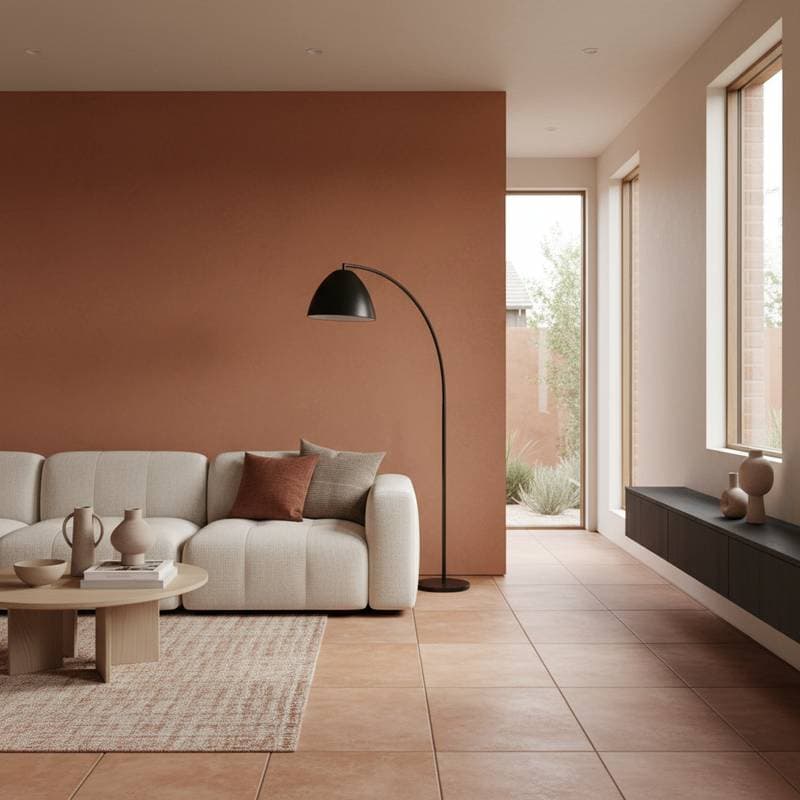
Imagine entering a living room where a subtle clay warmth emanates from the walls, complemented by flooring with a natural matte finish that blends timeless appeal with contemporary edge. This sensation represents more than a fleeting style; earthy terracotta and clay tones influence how homeowners prioritize comfort, color, and materials. For spaces seeking warmth without excess, this palette provides a stable foundation.
Why Terracotta Experiences a Resurgence
Homeowners increasingly move from stark whites and cool grays to hues that evoke habitation and natural ties. Terracotta, blending orange, red, and brown undertones, aligns seamlessly with this evolution. The color delivers an organic, robust, and adaptable quality suitable for rustic or modern settings.
These clay-inspired shades introduce depth without dominating a room. They temper the edges of minimalist layouts or infuse personality into standard finishes. The outcome yields calm yet vibrant spaces that remain accessible and refined.
Opportunities for Homeowners
When walls or surfaces appear chilly or outdated, terracotta presents an efficient refresh option short of full overhauls. Options include painting a single accent wall, updating fabrics, or installing fresh backsplash tiles. The palette excels in its adaptability, pairing with natural woods, brass accents, black hardware, and even sleek concrete.
For remodel projects, clay tones establish a base that matures elegantly. They conceal everyday marks better than pale shades and integrate with both antique and current elements. Balance remains essential; aim for warmth and texture that avoid darkness or weight.
Incorporating Clay Tones into Your Home
1. Begin with Walls
Painting offers the quickest entry point for terracotta. Select shades labeled as clay, adobe, or toasted peach, spanning gentle blush tones to intense burnt orange.
Test samples across various walls before committing to a full room. Daylight alters hues hourly, and store appearances may intensify in home settings. Many find a single feature wall, positioned behind a sofa or bed, sufficient for warmth without dominance.
Professionals charge $2 to $6 per square foot for interior painting, varying by preparation and surface state. For DIY efforts, opt for premium rollers and low-sheen paints to achieve a velvety, natural texture.
2. Integrate Terracotta via Flooring and Tile
Terracotta tiles endure through centuries due to their strength and inherent color shifts. Contemporary options include glazed and unglazed varieties, accommodating diverse budgets. Standard tiles cost $5 to $10 per square foot, while artisanal or imported pieces reach $20.
In kitchens, mudrooms, and patios, matte clay or porcelain tiles form unified, easy-care surfaces. For a cozier footfall, engineered wood in red oak or warm maple tones pairs ideally, maintaining flow across the home.
Professional installation ranges from $8 to $15 per square foot, covering materials and labor. Inspect subfloors for stability and humidity prior to clay tile placement to avert cracks or distortions.
3. Incorporate Clay Through Accents and Textiles
For those hesitant about extensive changes, decorative elements effectively evoke terracotta. Consider these cost-effective enhancements:
- Woven linen curtains in clay shades
- Cushions and throws featuring rust, copper, or sienna
- Matte ceramic planters and vases
- Lamp bases or fixtures in terracotta
- Rugs of natural fibers with faint red-brown motifs
Such additions build layers and vibrancy with minimal permanence. Combining textures like clay, wool, and wood amplifies the palette's innate, earthy essence.
4. Harmonize with Modern and Minimalist Aesthetics
Terracotta shines in warm minimalist environments. Combine it with precise lines, expansive areas, and subdued schemes. White walls alongside clay furnishings yield airy yet welcoming balance.
In contemporary dwellings, terracotta mitigates the hardness of metals or glass. Employ clay-themed artwork, pottery, or planters to interrupt glossy planes. Subtle elements, such as brushed brass or bronze hardware, unify the composition.
Key Practical Aspects
Budget and Cost Management
Expenses for terracotta integration vary by scale. An accent wall requires under $200 for paint and tools. Extensive endeavors, such as flooring replacement, span $2,000 to $6,000 for average rooms. Include preparation and sealing in estimates for authentic clay applications.
Budget-conscious individuals benefit most from paint and decor. These modest alterations revitalize spaces sans structural alterations.
Upkeep and Resilience
Clay tiles possess porosity, absorbing moisture without sealant. Apply penetrating protectors against stains and dampness, refreshing every few years per usage. Terracotta-painted walls may reveal marks more than neutrals; maintain touch-up paint reserves.
Fabrics and accents in these shades develop gracefully. Faint wear or mellowing enhances their cozy, genuine character.
Safety and Expert Assistance
During tile or clay plaster work, don gloves and masks. Dust from clay irritates respiratory and dermal systems. For sizable or foundational areas, engage specialists versed in base preparation and humidity management. Inadequate sealing risks fractures or mineral deposits over time.
Adapting to Regional Contexts
Terracotta flourishes in arid or mild zones yet adapts to humid ones with sealing. Coastal settings demand salt-tolerant finishes and vapor-permeable protectors to sidestep condensation. In chillier regions, couple tones with ambient lighting and plush textures to counter dim seasons.
Building regulations seldom limit terracotta, though confirm compliance with anti-slip and fire norms for floors or walls.
Enduring Value and Timeless Design
Clay tones extend beyond aesthetics; they promote longevity. Materials improve with time, masking use, aligning with shifting furnishings, and flexing with trends. The palette aids eco-friendly practices, as clay sources locally with low refinement.
Prospective buyers prefer naturally attuned homes. Thoughtful terracotta applications boost market value subtly, evading transient vibes.
Steps to Implementation
Commence modestly: coat one wall or introduce warm accessories. Observe interactions with lighting and pieces over weeks. If the ambiance welcomes, extend to kitchen tiles, entry floors, or bath surfaces for cohesive impact.