
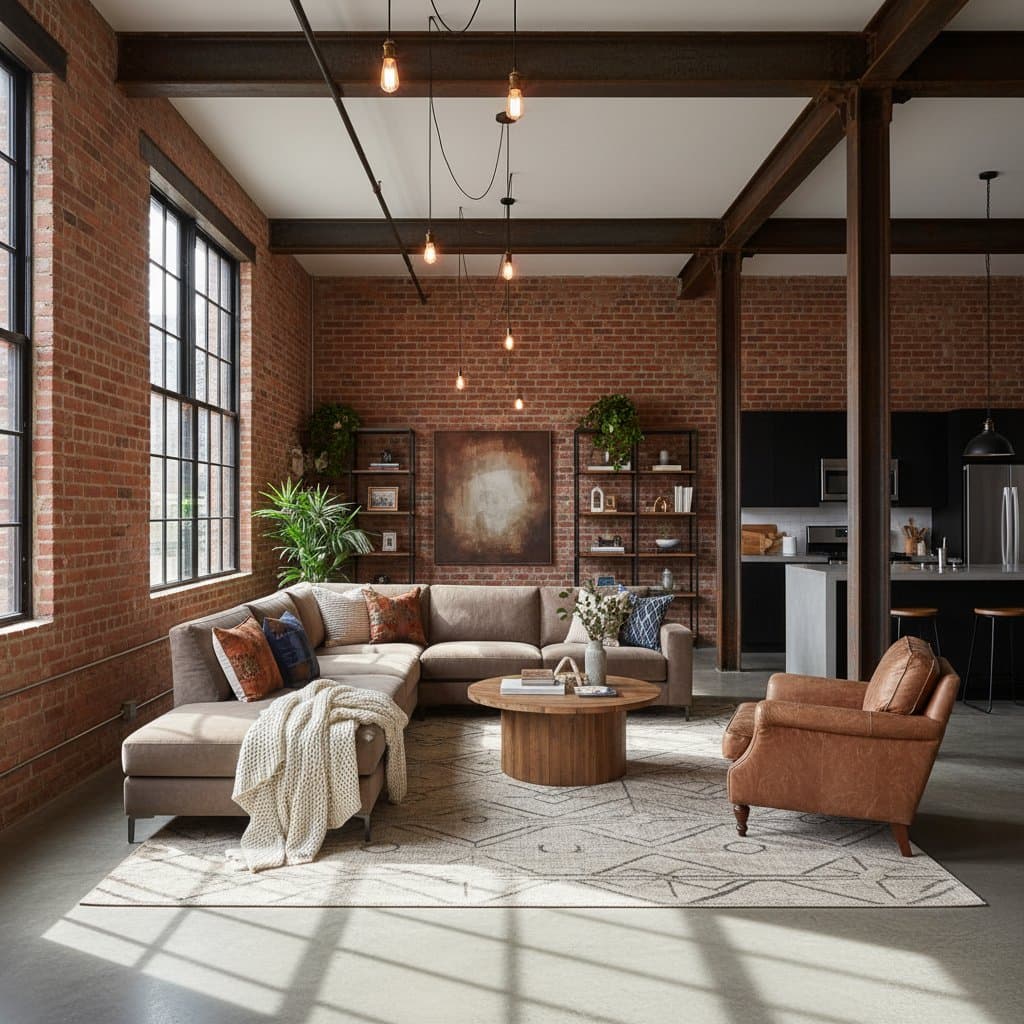
Industrial Lofts: Where Raw Authenticity Meets Inviting Warmth
Picture stepping into a former warehouse transformed into a living space that pulses with energy yet wraps you in comfort. Industrial lofts capture this essence by embracing the building's inherent structure while infusing it with elements of coziness. These spaces appeal to those seeking a home that reflects history and innovation, offering vast openness without sacrificing intimacy.
The Unique Appeal of Industrial Lofts
What draws people to industrial lofts is their unfiltered honesty. Exposed brick walls reveal the passage of time, while polished concrete floors and visible steel beams provide a sturdy foundation. Unlike traditional homes that conceal their framework, these lofts showcase it, creating a narrative of resilience and adaptability. The challenge lies in tempering this ruggedness to foster a sense of welcome, ensuring the environment supports relaxation and daily routines.
Achieving Balance Between Raw Edges and Cozy Layers
Success in industrial design hinges on integration rather than alteration. Preserve the architectural bones to maintain the style's signature boldness, then introduce softening elements to counteract any starkness. This equilibrium transforms potential austerity into approachable elegance, making the space functional for modern lifestyles.
Consider these strategies to harmonize the raw and the refined:
- Highlight structural features. Leave brick walls exposed but seal them for durability, or polish concrete floors to a subtle sheen. These choices honor the building's origins while enhancing livability.
- Incorporate tactile textures. Layer in plush area rugs over hard surfaces, select upholstered furniture in neutral tones, and hang sheer curtains to diffuse light without blocking views.
- Blend diverse materials. Pair cold metals with warm woods, such as a steel-frame coffee table topped with reclaimed oak. Introduce glass accents and potted plants to add vitality and contrast.
- Optimize lighting for ambiance. Install dimmable fixtures with warm-toned LED bulbs (around 2700K) for evenings, and combine overhead pendants with task lamps to create depth and focus areas.
- Select impactful furnishings. Opt for oversized pieces like a modular sectional sofa or a vintage-inspired chandelier that scale to the loft's proportions, avoiding overcrowding in open plans.
Step-by-Step Guide to Creating Your Industrial Loft
Transforming a raw space requires methodical planning to ensure safety, efficiency, and aesthetic success. Begin with evaluation and progress to finishing touches, allowing the original elements to guide your decisions.
- Evaluate the structure thoroughly. Inspect floors for levelness, walls for stability, and the roof for leaks. Consult a structural engineer to identify any reinforcements needed, such as beam supports, before proceeding.
- Designate functional zones within the open layout. Divide the space using low partitions, strategic furniture placement, or area rugs to separate sleeping, cooking, and lounging areas. This maintains airflow while providing subtle boundaries.
- Restore and preserve authentic details. Gently clean exposed brick with a mild solution to reveal its natural patina, or refinish concrete with a penetrating sealer for easy maintenance. Avoid painting over these surfaces to retain their character.
- Install essential utilities for comfort. Address insulation gaps with spray foam in walls and attics, then add radiant underfloor heating or a high-efficiency ductless system. These upgrades combat drafts common in older buildings.
- Maximize natural and artificial light. Clean existing large windows to flood the space with daylight, and install skylights in dimmer sections. Use mirrors strategically to reflect light and expand the perceived size of the loft.
Budgeting and Practical Considerations for Conversion
Costs for an industrial loft project depend on the starting condition and scope of work. Basic cosmetic updates, such as surface cleaning, basic lighting installations, and minor partitioning, typically range from $5,000 to $15,000 for a 1,000-square-foot space. Comprehensive renovations involving plumbing rerouting, electrical upgrades, and custom cabinetry can escalate to $50,000 or more, especially if structural modifications like adding load-bearing supports are required.
Timeline varies accordingly: straightforward refreshes may conclude in 4 to 6 weeks, while full conversions often span 3 to 6 months due to permitting and contractor scheduling. Factor in ongoing expenses like energy-efficient appliances to offset higher utility bills in large, open areas.
Regulatory hurdles include obtaining zoning permits for residential conversion and ensuring compliance with building codes for fire safety and accessibility. Engage a local architect or contractor early to streamline approvals and avoid delays.
Sustaining the Evolving Charm of Industrial Living
An industrial loft thrives on adaptability, allowing residents to personalize it over time. Introduce seasonal updates, such as swapping lightweight linens for heavier wool throws in winter, or rotate wall art to complement the expansive surfaces. Integrate live greenery like trailing ivy near windows to soften edges and improve air quality.
This design philosophy rewards thoughtful evolution, where raw elements provide a timeless backdrop for personal expression. The result is a home that not only stands as a testament to adaptive reuse but also nurtures a sense of grounded comfort in everyday life.