
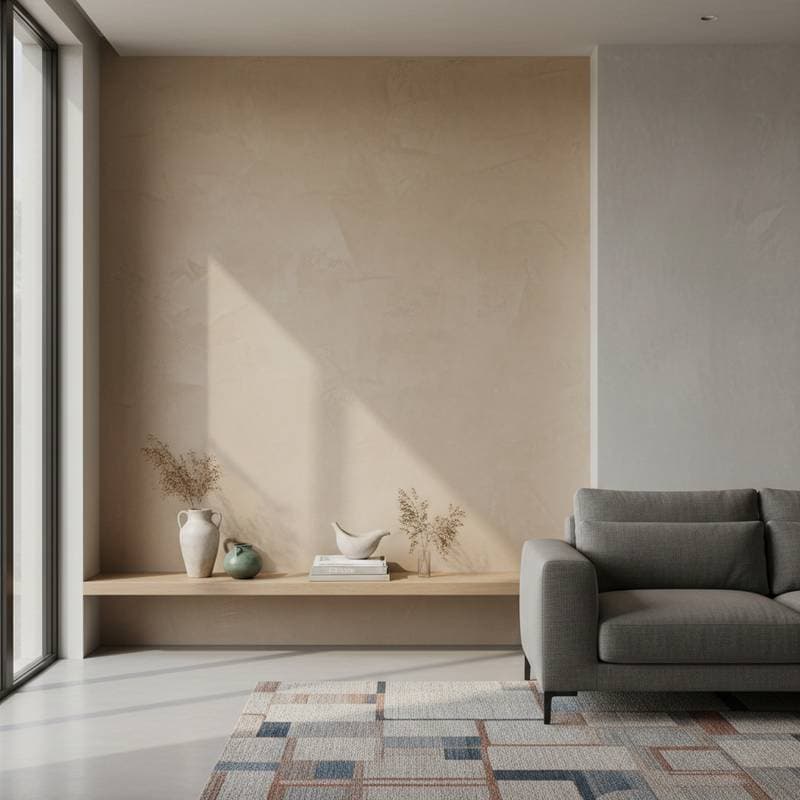
Handcrafted Artisan Plaster: The 2026 Textured Wall Trend
Smooth, glossy walls once defined interior spaces, but preferences have shifted toward natural, imperfect finishes that add depth. Homeowners seek ways to infuse character into rooms without dominating the aesthetic. Handcrafted artisan plaster emerges as an ideal solution, delivering subtle luxury through skilled application.
Designers and homeowners favor this technique for its craftsmanship, which introduces warmth and personality to both contemporary and classic interiors. Customization allows adaptation to various rooms and styles, ensuring seamless integration.
Reasons Homeowners Embrace Textured Walls
Flat paint serves basic needs, yet it lacks the dimension that textured surfaces provide. Artisan plaster captures light variably throughout the day, creating an organic, timeless quality that feels vibrant. This approach conceals minor wall flaws that smooth finishes highlight.
The material's natural makeup appeals further, with traditional formulas incorporating lime, marble dust, and pigments rather than synthetic elements. Such compositions yield breathable, long-lasting surfaces resistant to peeling. In older structures or fluctuating climates, plaster aids humidity control, promoting healthier indoor environments.
Essentials of Handcrafted Artisan Plaster
Artisan plaster represents a method rather than a uniform product, encompassing techniques like lime plaster, Venetian plaster, and lime wash. Each variant delivers distinct textures and sheens while maintaining a handmade essence.
- Lime Plaster: Derived from lime putty and sand, it forms a matte, stone-resembling surface suited to rustic or Mediterranean designs.
- Venetian Plaster: Smoother and burnished, it achieves a marble-like polish ideal for elegant areas such as dining rooms.
- Lime Wash: A diluted blend that reveals underlying textures, producing a soft, layered appearance compatible with plaster or drywall bases.
These applications result in tactile, one-of-a-kind walls where variations enhance the unique appeal.
Primary Advantages of Artisan Plaster
- Organic Appearance: The hand-applied quality imparts an authentic, softening touch to sleek modern builds and minimalist setups.
- Longevity: Sealed properly, it endures for decades, shrugging off scuffs and requiring only occasional topcoats for renewal.
- Sustainable Materials: Lime formulations avoid chemicals and sequester carbon dioxide gradually over time.
- Moisture Management: Breathable properties permit vapor passage, minimizing mold risks and surface degradation.
- Adaptable Finishes: Techniques yield effects from chalky mattes to reflective polishes, tailored via tools and methods.
Step-by-Step Installation Overview
Unlike paint, artisan plaster demands precision in timing and execution. Professionals handle most projects, though skilled individuals may tackle modest areas.
Surface Preparation
Walls require thorough cleaning and drying, with glossy layers removed via sanding or priming. Repairs address cracks and imperfections prior to proceeding.
Base Coat Application
A rough initial layer establishes adhesion and foundational texture. Full drying precedes subsequent steps to ensure stability.
Layering for Texture
Thin coats follow, applied with trowels to build depth. Partial setting between layers allows artisans to sculpt subtle tonal shifts.
Final Polishing and Protection
Burnishing creates sheen where desired, followed by wax or sealant application. Lime wash options often remain unsealed for enhanced permeability.
Projects span days per room, with extended drying compared to paint, yet the outcome proves far more robust.
Budget and Scheduling Details
Professional services range from $10 to $25 per square foot, influenced by finish intricacy, surface state, and local rates. Simpler lime washes cost less, while elaborate Venetian styles command premiums.
DIY options for accents run $100 to $300 in supplies, though mastery demands trial and error. For prominent features, expert involvement justifies the expense through superior results.
Schedules typically involve:
- One to two days for prep and base work.
- One to three days for detailing and completion.
- Extra intervals for curing before final use.
Health, Safety, and Upkeep Guidelines
Alkaline lime demands precautions like gloves, eye protection, and masks during handling to prevent irritation. Maintain ventilation to disperse dust and fumes.
Cured surfaces pose no hazards. Routine care includes gentle dusting; steer clear of abrasives that might erode the patina. Localized repairs involve matching plaster patches, avoiding full repaints.
Selecting Finishes to Suit Your Interior
Adaptability defines artisan plaster, with options for color, roughness, and luster aligned to personal taste.
- Contemporary Spaces: Select refined Venetian with gentle undulations and subtle gloss.
- Rustic Environments: Employ coarse lime plaster in earthy, non-reflective hues.
- Understated Sophistication: Layer lime wash neutrals for a diffused, harmonious depth.
Popular bases include warm grays, sands, and ivories, expandable via pigments. Note that lime tones brighten upon curing.
Environmental and Application Influences
Local conditions affect outcomes: arid areas may need misting to slow setting, while humid zones extend drying. Verify codes for wet zones, potentially requiring specialized substrates.
Decorative uses seldom need permits, though structural or heritage projects might demand oversight.
Weighing DIY Versus Expert Installation
Hands-on enthusiasts can explore lime wash on small scales, forgiving errors in layering. Complex full-room or polished effects benefit from pros who master timing and consistency.
Professionals guarantee prep quality and endurance. Request portfolios and material samples to assess compatibility.
Steps to Incorporate Artisan Plaster
Begin with a single area like an entryway or accent wall to gauge impact affordably. This focused approach showcases the technique's potential.
Installation elevates rooms by diffusing light, fostering coziness, and rendering walls as sculpted elements. Over years, a natural patina develops, mirroring lived experiences with enduring grace.